

Becvar is co-publisher of The Fulcrum and executive director of the Bridge Alliance Education Fund, the parent organization of The Fulcrum.
A comprehensive review of reports, polls and surveys published in the last few weeks paints a detailed and sometimes troubling picture of the state of American democracy. These 20 featured resources underscore an urgent need for renewed civic engagement, robust election integrity, and concerted efforts to bridge the growing partisan divide.
A recurring theme is the public's deep concern for the health of our democracy. A new AP-NORC Center poll reveals that while many Americans hold democracy as a core element of national identity, there is a pervasive sense that it is not functioning well. This sentiment is echoed by Citizen Data, where a majority express worries about the democratic process, and the Pew Research Center, highlighting a significant distrust in elected officials.
Polarization remains a formidable challenge. Reports from the Polarization Research Lab illustrate the destructive role of AI misinformation, exacerbating divisions as we near the presidential election. Pew's analysis of changing partisan coalitions over the last 30 years further illustrates the complexity and deep-rooted nature of political divides. YouGov's survey on inter-party perceptions and the McCourtney Institute's findings on national anger reveals the emotional intensity fueling these divisions.
Despite these challenges, there are promising signs of hope and resilience. The University of California, Irvine poll on Orange County residents shows that personal relationships can withstand political differences, suggesting a foundation for social cohesion. Brookings reinforces the strong case that a thriving democracy is essential for economic prosperity, positioning businesses as potential defenders of democratic values. And this week's Gallup poll indicates a potentially high voter turnout, reflecting a robust engagement that is crucial for democratic vitality.
Election integrity is paramount in these discussions. The University of Montana's study on poll workers and the Brennan Center for Justice's survey of local election officials highlight the dedication of those who uphold the electoral process amidst growing threats. The Voting Rights Lab throws up flags to alert to the evolving nature of election interference, while Unite America's focus on Colorado's primary issues underscores the importance of addressing systemic flaws at the state level.
Technology's dual-edged impact on democracy is also evident. The Program for Public Consultation's survey on artificial intelligence regulation and the Polarization Research Lab's insights into corporate political actions reveal both the potential and pitfalls of technological advancements.
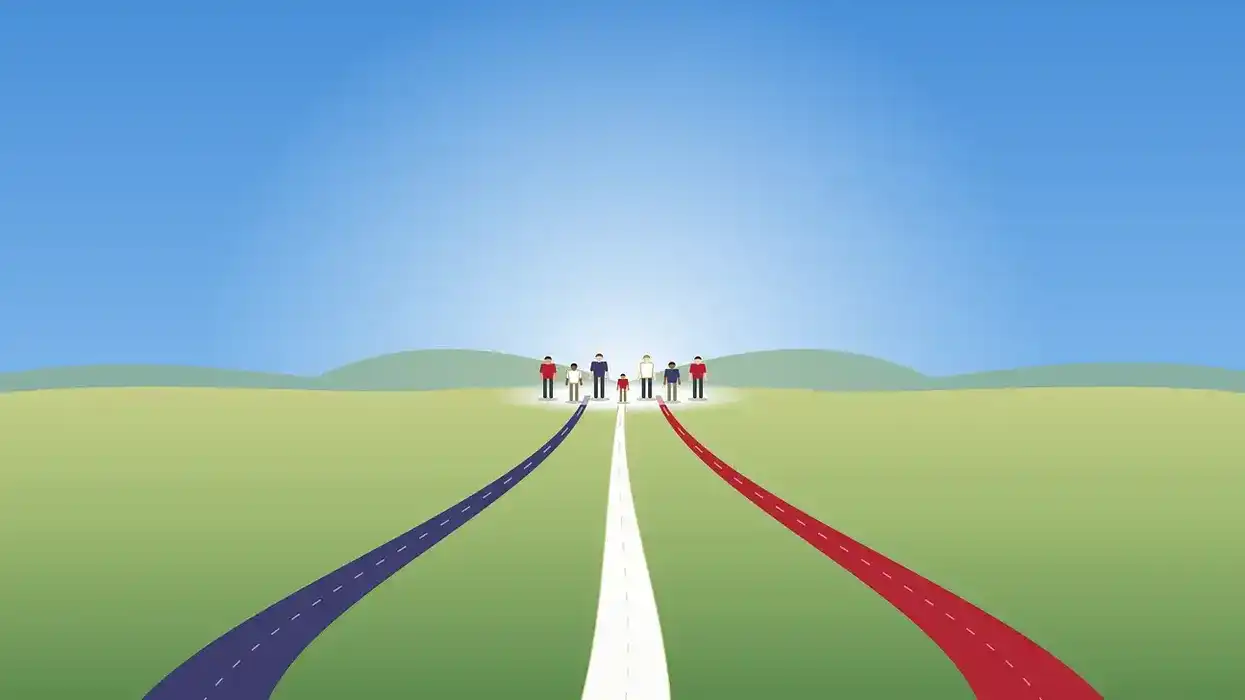
Synthesizing these insights, it is clear that safeguarding our democracy requires a multifaceted approach — one that those in the healthy democracy movement are well prepared to support. But it will take more of us: Businesses, communities, and individuals all have roles to play in this collective effort. Encouraging informed civic participation, fostering bipartisan support for inclusive policies and addressing the root causes of polarization are critical steps.
The path forward is undoubtedly challenging, but with concerted effort and a commitment to democratic principles, there is hope that we can navigate these turbulent times and emerge with a stronger, more resilient democratic system.
- Program for Public Consultation (3/29/24): Survey on Regulating Artificial Intelligence
- Polarization Research Lab (3/31/24): The Path to the 2024 Presidential Election: AI, Misinformation, and Democracy
- AP-NORC Center (4/3/24): Most say democracy is important for the U.S. identity, but few think it is functioning well
- Pew Research Center (4/9/24): Changing Partisan Coalitions in a Politically Divided Nation (1994-2023)
- YouGov (4/18/24): How do Democrats and Republicans feel about the two parties?
- University of Montana (4/22/24): Study on Motivations for Poll Workers
- American Bar Association (4/23/24): American Bar Association Survey of Civic Literacy ( Full report here)
- The McCourtney Institute for Democracy / APM Research Lab (4/23/24): Mood of the Nation: Angry
- Quinnipiac University (4/24/24): Quinnipiac University National Poll Finds Support For Legal Abortion Reaches All-Time High
- Citizen Data (4/25/24): Majority of Americans Concerned about Democracy
- UCI Poll on Orange County (4/29/24): Latest poll finds OC residents keep friendships despite politics
- Voting Rights Lab (4/29/24): The Shapeshifting Threat of Election Interference
- Brookings (4/29/24): Democracy is good for the economy. Can business defend it?
- Unite America (4/30/24): Colorado’s Primary Problem
- Citizen Data (4/30/24): Bipartisan Support for Restoring Voting Rights to Former Felons
- Pew Research Center (4/30/24): More than 80% of Americans believe elected officials don't care what people like them think
- Polarization Research Lab (5/1/24): The Path to the 2024 Presidential Election: Corporate Political Action
- Brennan Center for Justice (5/1/24): Local Election Officials Survey — May 2024
- Princeton Bridging Divides Initiative and Civic Pulse (5/9/24): Threats and Harassment in Local Government Benchmarking Report
- Gallup (5/13/24): Thought Given to Election Portends High Turnout in U.S.