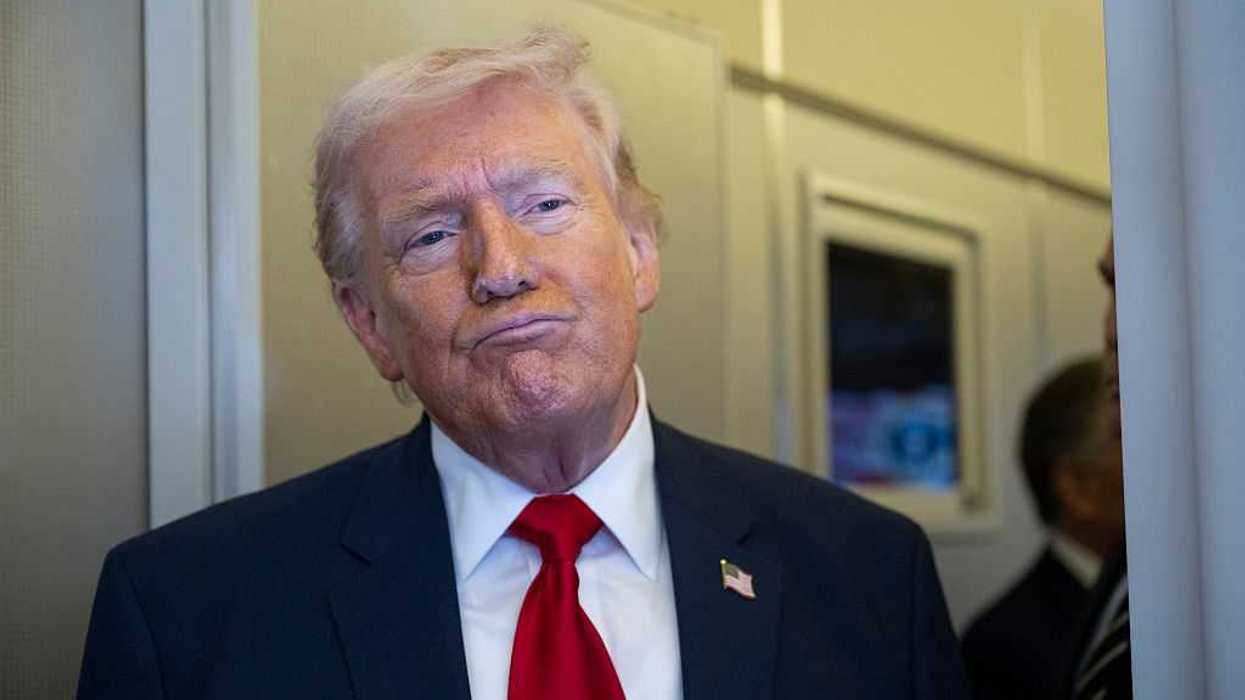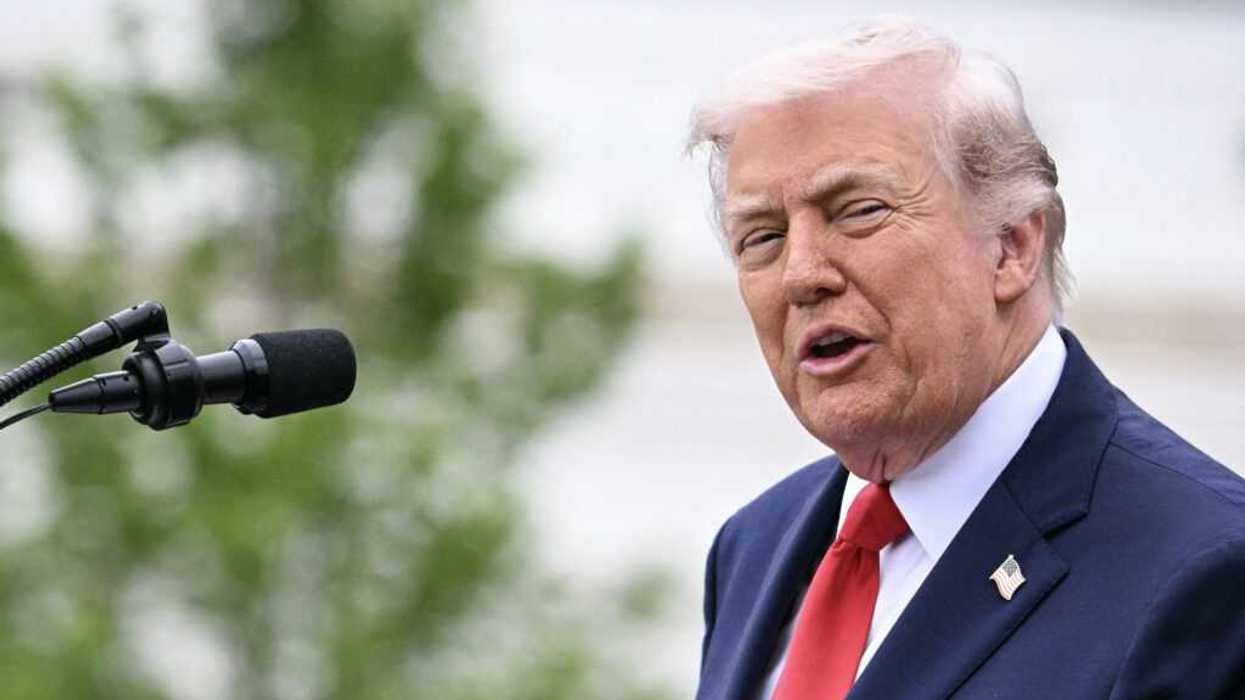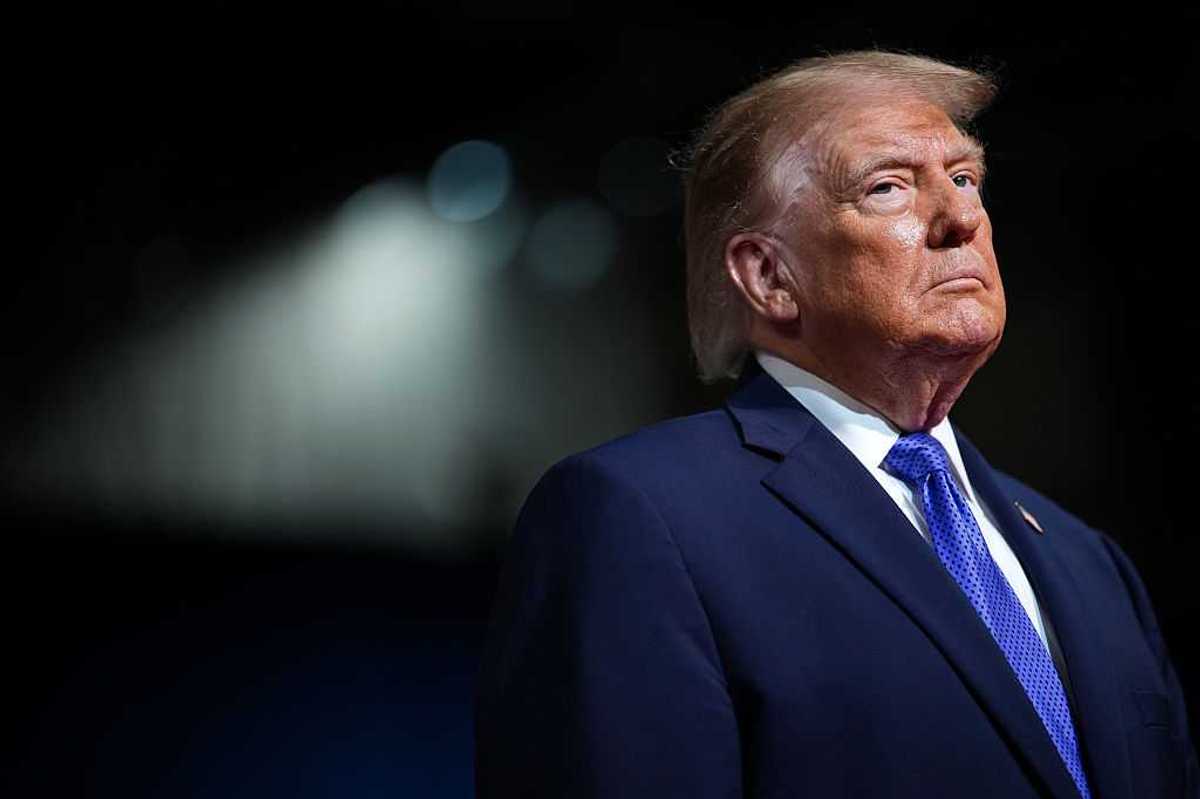
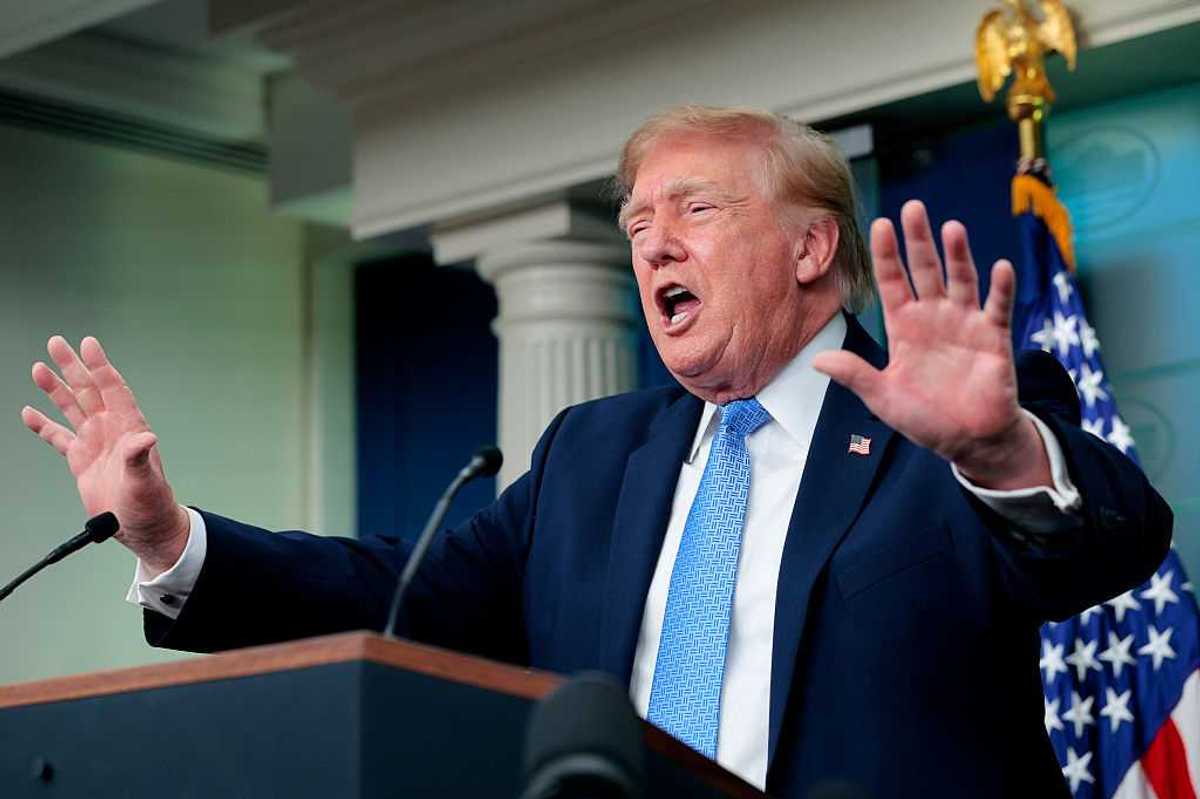



Shortly after the election, President Trump turned to social media to cast doubt on the midterm election results. This was not a surprise after nearly two years of attempts by his administration and its allies to interfere in our elections. Dealing with disinformation from the President of the United States is one of the many challenges state and local officials faced during this election season, and, in spite of it, they administered a successful election. Turnout was high, and voting proceeded without significant federal interference.
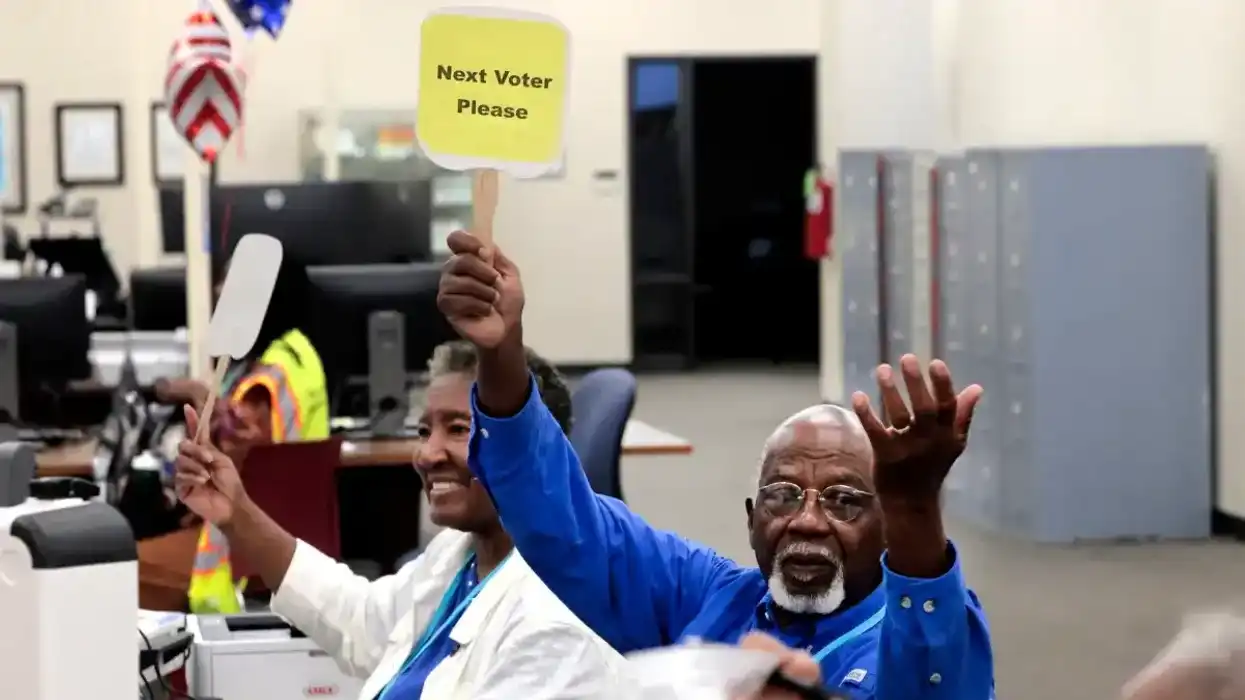
This was no accident or sheer luck. It took months of preparation by the people who run our elections to make sure every voter could cast a ballot. Our election officials went to extraordinary lengths to hold the line and protect access to the polls. That shouldn’t have to be the case.
However, a successful election shouldn't be mistaken for a healthy election system. The most unfortunate lesson to take from this election cycle would be that because the system held, we should take our foot off the gas. The election denial still coming from the White House is the latest reminder that we can’t take anything for granted.
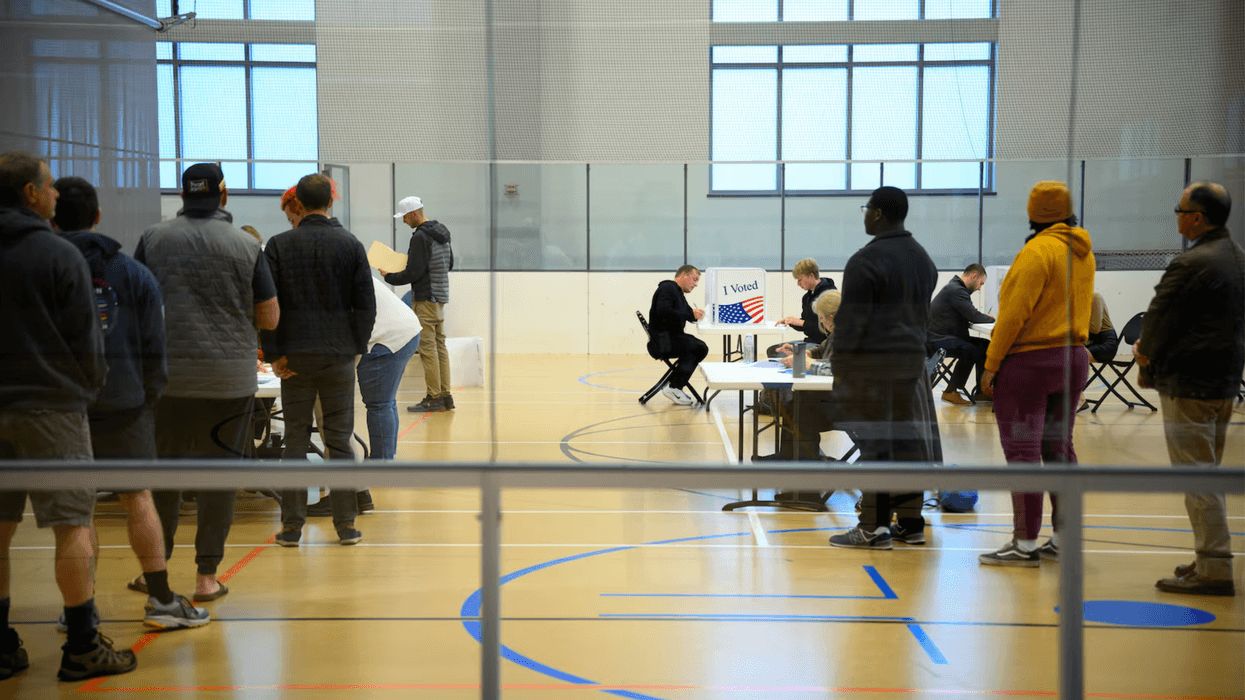
More than that, even though the worst fears about this election didn’t come to pass, voters still faced significant barriers. We saw equipment failures, long lines, and weather-related disruptions—and while these challenges are familiar, they do not have to be inevitable. They reflect systemic underinvestment in election administration and choices about where resources are directed. The burden falls disproportionately on Black and Brown voters, young voters, and working-class communities. These are more than inconveniences. They are reminders that protecting access to the ballot requires sustained investment in the election systems, infrastructure, and people that make our democracy work.
Beyond the impact on voters, problems in our election systems cause myriad issues for the workers that make our democracy real. Election workers have faced increased threats as election deniers grew in power and influence over the last several years. And as disinformation and conspiracy theories are often centered on Black and Brown communities, election workers of color face higher levels of abuse. These issues and more have driven turnover among election workers to rise rapidly since 2020.
Protecting our democracy is year-round work, and it starts with good policy. As new leadership takes hold in state legislatures, county commissions, and governors’ mansions across the country, policymakers have an opportunity to advance policies that protect election officials, prevent voter suppression, and improve voting access.
At All Voting is Local, we have created a wide-ranging Pro-Voter Agenda to envision how we could remake our election system in a way that protects election workers, safeguards our democracy, and serves voters first and foremost.
States need to fund elections properly. Stories of voters enduring hours of waiting to cast a vote are not heartwarming portraits of determination; they are a policy failure. Election offices need enough polling places, machines, and poll workers so every voter can cast a ballot in under 30 minutes.
The people who run our elections should not have to deal with threats, false accusations, and doxxing. States should pass laws that let them do their jobs without fear.
We must stop baseless voter challenges. Mass challenges to voters' eligibility bury election offices in paperwork and keep Americans from voting. Instead, we need policies that protect voters from unwarranted attacks on their voter registration, give any voter removed from the rolls ample notice and time to re-register, and let election offices focus on serving voters – not sorting through junk lists.
States can make many other changes to improve access to voting, such as implementing automatic and same-day voter registration, expanding vote-by-mail, protecting access for voters with disabilities, and maintaining equitable access for justice-impacted voters.
On the federal level, new members of Congress will have to contend with President Trump's veto power, but they should still work toward federal improvements to our elections. Several newly elected members may be going to Congress because of high turnout among Black voters angered by the Supreme Court's recent Callais v. Louisiana decision, which once again weakened the Voting Rights Act. Restoring and expanding voting rights, as well as adequately funding election administration, should be a top policy priority of the new Congress—and of every officeholder at every level of government.
We must seize this opportunity to ensure every American can vote when, where, and how it works for them. This election showed what officials and voters can do under pressure. Now lawmakers must take that pressure off by passing pro-voter policies.
Hannah Fried is a co-founder and CEO of All Voting is Local and AVL Action. Previously, Hannah served as the national director and deputy general counsel for voter protection on Hillary Clinton’s presidential campaign. In 2012, Hannah served as the voter protection director for President Obama’s reelection effort in Florida, and from July 2009 to March 2012, was the deputy director and deputy counsel for voter protection at the Democratic National Committee. Hannah spent several years in federal government service, at the Department of Justice and at the Environmental Protection Agency. She is a graduate of Williams College and of Harvard Law School.