






Americans are exhausted — living through noise, chaos, corruption, and manipulation. But exhaustion creates another danger: surrender. When citizens become overwhelmed by government, they can believe they have no power to change it. That is when they need to remember the power of self-governance itself.
The Constitution was not written to make Americans spectators to their government. It was written to make them participants in it. The power of self-governance belongs to the people. It does not disappear when a president overreaches, Congress fails to act, or institutions are pressured. It becomes more important.
Self-governance is more than voting. It is informed judgment, civic participation, accountability, and constitutional responsibility. It means knowing our history, understanding our rights, questioning power, evaluating information, speaking when something is wrong, and participating rather than surrendering our voice. That power is difficult for a president to take because it begins with the citizen.
Self-governance is not only political — it is internal. It means governing one’s thoughts, emotions, and actions with discipline, awareness, and integrity. People who self-govern are composed, ethical, accountable, and purpose-driven. They recognize manipulation, resist pressure, and refuse to surrender independent judgment. A president can attempt to control institutions, pressure agencies, attack the press, manipulate information, and test constitutional boundaries. But a president cannot control a citizen who governs themselves. That is the power of self-governance.
The framers understood the danger of concentrated power. They created separation of powers, checks and balances, federalism, elections, and a free press because government was never supposed to depend on one person’s restraint. Constitutional government depends on citizens who recognize when these protections are being weakened — and are willing to act.
When executive power expands beyond constitutional limits, citizens must understand what is happening and what they can do. Executive overreach is not only a political problem; it is a constitutional warning signal. When Congress refuses to investigate, legislate, oversee, or use its constitutional powers, citizens cannot conclude that nothing can be done. When independent journalism is attacked, citizens must defend the information needed to make informed decisions. When elections are questioned or threatened, citizens must understand that elections belong to the people, not to any president or political party. Self-governance is how citizens respond.
Consider what happens when information becomes contested. A president who attacks reporters, restricts access, retaliates against dissent, or tries to replace independent reporting with a preferred narrative is not merely fighting with the press. He is affecting the information citizens need to govern themselves. Without reliable information, self-governance becomes harder. Propaganda is not just an attack on truth — it is an attack on the citizen’s ability to govern.
Citizens who know their rights and understand the constitutional system can distinguish fact from fiction. They can question claims, verify information, read beyond headlines, recognize manipulation, and reject conspiracies designed to make them distrust every institution. They can ask what was promised, what was done, who benefited, who was harmed, and what constitutional authority was used.
Self-governance is remembering. A nation that forgets becomes vulnerable to having its history rewritten. National memory belongs to the people. When history is altered to flatter power, citizens lose knowledge they need to recognize manipulation. Self-governance requires Americans to remember what leaders did, what institutions allowed, what rights were challenged, and what consequences followed. That memory shapes how citizens understand the present.
Reports indicate that Trump’s approval rating has reached historical lows, even as he urges voters to support candidates “as if his name were on the ballot.” After the administration revoked press passes for CNN, MS NOW, and Politico, a federal judge ordered their access restored, according to court filings. Continued restrictions on entry to certain events, however, have raised further concerns about the independent reporting citizens rely on. Additional reporting has also raised concerns about possible federal interference in elections, including ballot seizures, and altered election rules. These developments and warnings raise constitutional questions citizens must understand rather than dismiss or accept without scrutiny.
Elections are not personal loyalty tests. The press is not an enemy of the government. Constitutional rights do not belong to presidents. Public institutions do not belong to officeholders. They belong to the people.
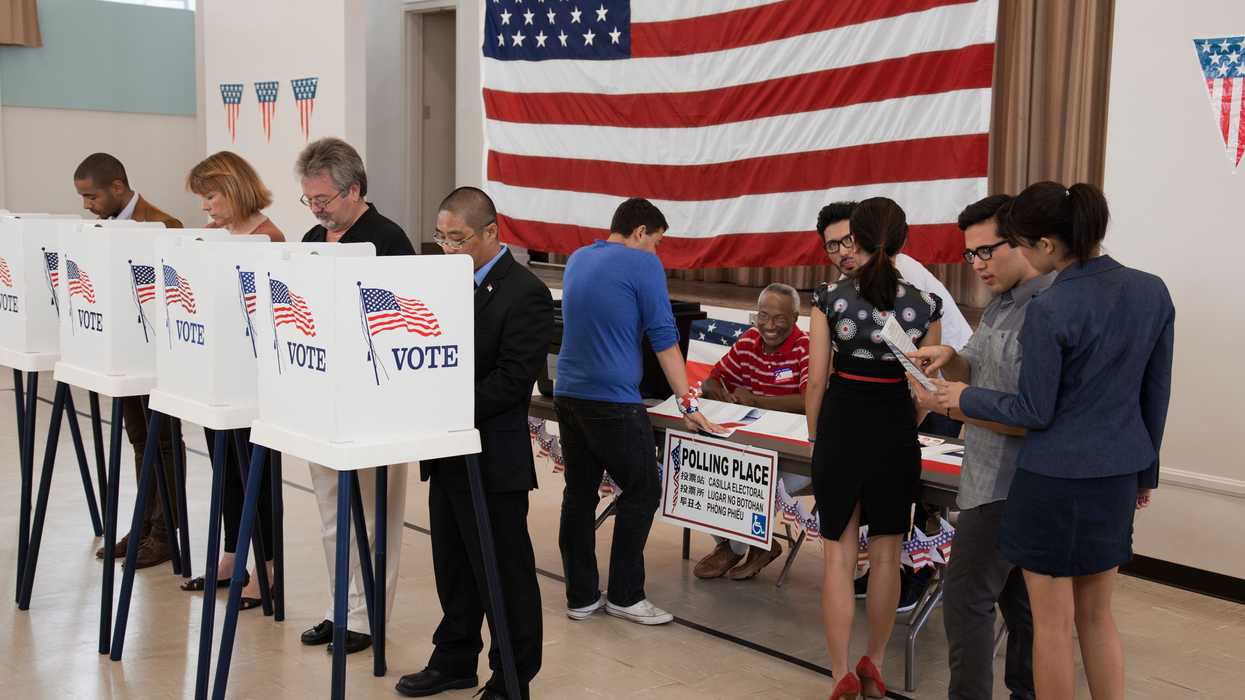
Congress also matters because citizens cannot exercise self-governance fully if they do not hold their representatives accountable. Congress has constitutional powers designed to restrain executive overreach. When it fails to use them, accountability does not end — it shifts to the people. Citizens cannot perform Congress’s constitutional duties, but they can demand that their representatives fulfill them. That means more than complaining. It means contacting representatives, writing letters, making calls, attending town halls, supporting independent journalism, asking for roll-call votes, and remembering how elected officials responded when constitutional limits were tested. It means voting — not waiting for Election Day. Self-governance happens between elections.
And it happens close to home. City councils, school boards, county commissions, and other local bodies make decisions affecting education, safety, zoning, budgets, public resources, and community life. Citizens who attend meetings, speak at meetings, question officials, examine budgets, and serve on boards are not merely participating in government. They are governing.
Self-governance is not simply having a government that represents you. It is accepting responsibility for decisions that shape your community and country. This responsibility belongs to everyone — conservatives, moderates, independents, and progressives. It does not require agreement on every political issue. It requires agreement on something fundamental: government must remain accountable to the people, and constitutional limits must apply to those who hold power.
The people cannot protect what they do not understand. But civic understanding is not reserved for experts or elected officials; it can be learned, strengthened, and shared. Americans need to know what the Constitution protects, what each branch of government is empowered to do, where those powers end, and what citizens can do when leaders cross those boundaries. The Constitution is not simply a document government officials swear to uphold. It is also a framework that gives citizens authority to hold those officials accountable.
Self-governance is both a right and a responsibility. It means refusing to surrender judgment because politics is exhausting, refusing to accept propaganda because truth is inconvenient, and refusing to remain silent because speaking up feels powerless. It means remembering that government derives its legitimacy from the people and that elected officials serve the public — not the other way around.
The Republic drifts when citizens disengage and recovers when they use self-governance deliberately. Institutions can fail, and executive power can go unchecked, but neither makes the people powerless. Americans must use the power they possess: informed judgment, voting, civic participation, public pressure, independent journalism, constitutional knowledge, and accountability. They must question power rather than fear it, defend truth rather than surrender to narrative, and demand that Congress use its constitutional authority with courage and persistence. They must participate where government is closest to them — in their communities, schools, councils, commissions, and elections.
The people are not powerless. They are the sovereign. Self-governance is how they exercise that power. It is how they defend their rights when institutions fail, protect truth when history is manipulated, and demand accountability when leaders abuse authority. It is how the Republic survives, how the nation remains accountable to its people, and how Americans remain free.
Self-governance is America’s last defense against executive overreach — and the one defense no president can ever take unless the people surrender it.
Carolyn Goode is a retired school principal and an adjunct university instructor who writes about civic literacy, constitutional accountability, and the responsibilities citizens share in sustaining democratic governance.











The President Invited Iran to Bomb My Home