
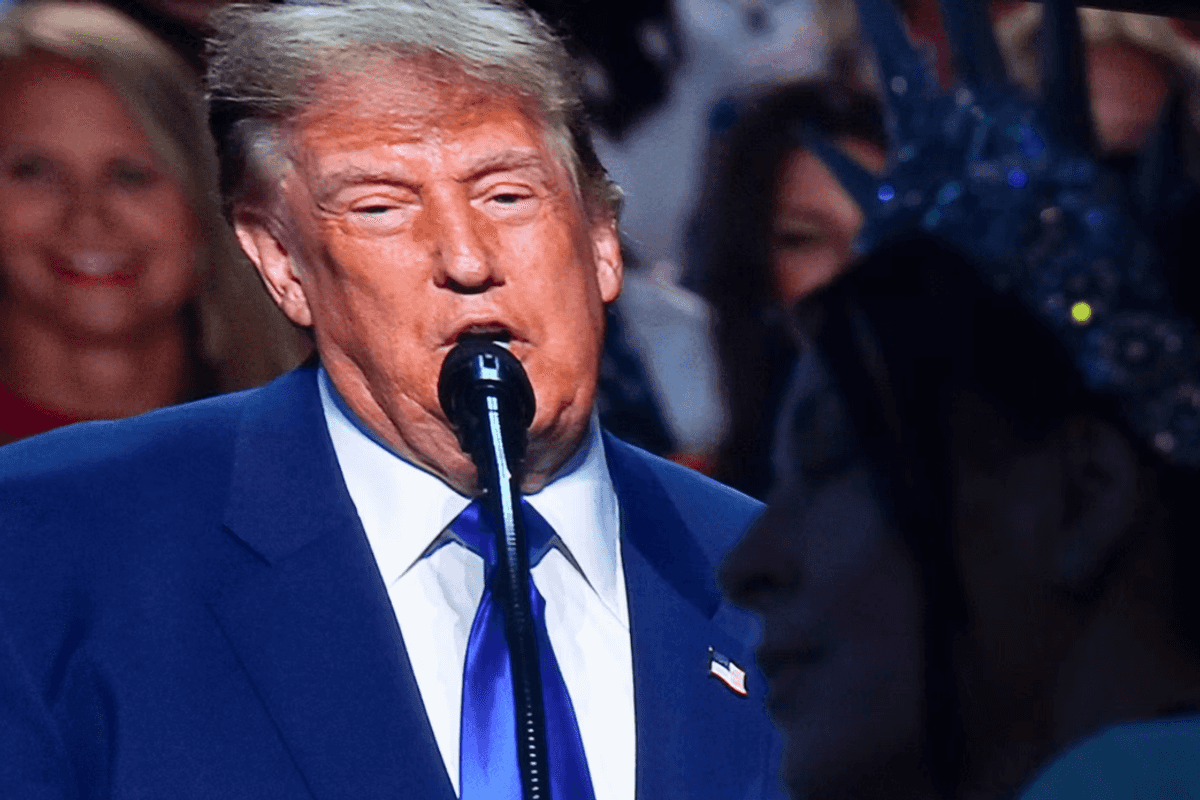


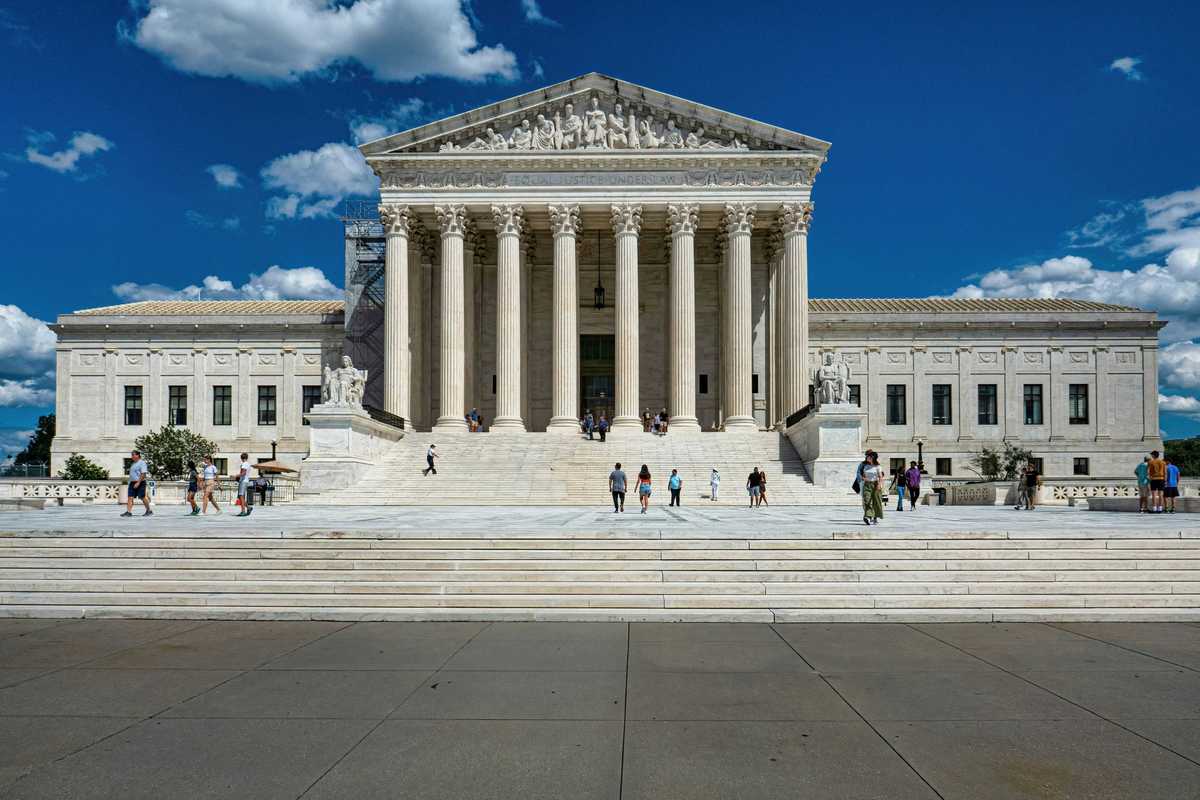
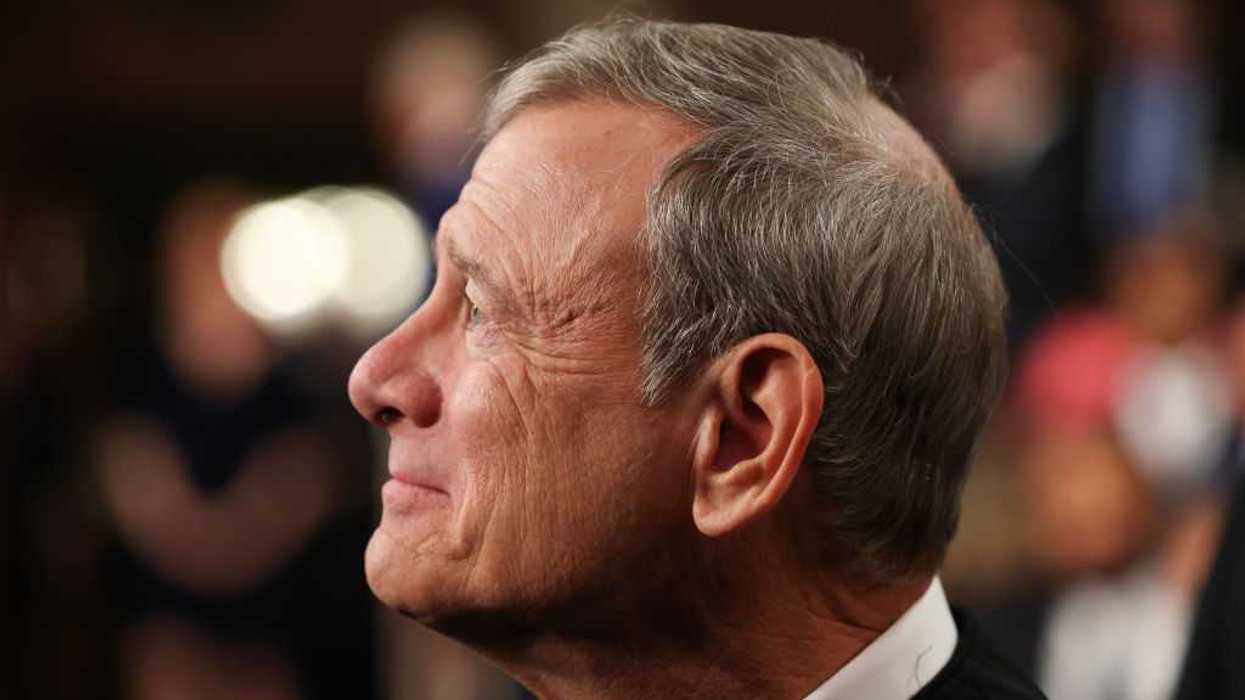

The “Unitary Executive” doctrine has become a talisman for expanding the sphere of Presidential prerogatives. Chief Justice John Roberts has been a key architect of this doctrine. It underlies the Supreme Court’s use of its shadow docket to reverse many detailed, well-reasoned lower federal court decisions over the last year. Those decisions, after carefully hearing and assessing the facts and the law, had enjoined unprecedented, far-reaching presidential actions (including the imposition of tariffs) that were almost certain to inflict immediate and substantial harm on millions of people and on the functioning of government itself.
As a lawyer, I have grave concerns about the so far unconstrained actions of this Executive branch and what they mean for the rule of law and the survival of our personal liberties. But even those too jaded to care or who think naively, “it will never happen to me,” should be concerned about ineptitude, greed, and waste. These are the costs imposed on all of us when government resources and employees are deployed on personal vendettas or redirected from critical government functions to support impulsive, arbitrary, and often futile actions.
Without limits and accountability, we abandon both the rule of law and the discipline required for the effective, functional operation of a national government.
Think of all the people that DOGE or others fired, whom the government now struggles to replace; of all the projects suspended midstream: of the contracts breached, and the committed funds withheld, on which so many charities, businesses, and people rely. Over 650 cases have been filed against the Administration’s executive actions (excluding most habeas cases involving individual immigrant detentions). The government has lost the majority of cases that have resulted in judicial rulings, including interim decisions. These lost cases divert attention from other issues, waste court resources, distract agencies from their core missions, and impose high costs on litigants.
The courts in places with heavy immigration dockets, such as Texas and Minnesota, have had to call on sister districts, diverting them from already more than full dockets; U.S. attorneys decry the inability to attend to their real law enforcement duties. Government attorneys have resigned rather than assist in what they believe would be lawless and unethical behavior; vacancies exist that the government cannot fill; years of irreplaceable experience and loyal service have been lost to it—and to us--forever.
Invoking the phrase “Unitary Executive” justifies none of this. It is not a phrase found in the Constitution. It seems a misnomer when applied to the edicts of this President and the actions of this Administration, which seem so changeable, disjointed, and far from unitary. And “unitary “is not a synonym for arbitrary, authoritarian, ad hoc, and absolutist.
The President’s duty is to execute faithfully the laws passed by Congress with the funding Congress provides and within the limitations it specifies. Even in areas like foreign policy, where a President’s scope of discretionary action is broadest, it is never boundless.
The framers of the Constitution were fearful of recreating a strong leader without accountability, like the king whose rule they were endeavoring to escape. They imposed restraints on the powers they conferred on the executive branch. They granted to Congress, not the President or the Executive Branch, the most basic powers of government—establishing its laws, funding its operations, even declaring whether the country is at war. They hemmed in the President’s power still further by reserving to the States the power of local rule (including over Presidential elections). And they made some actions forever off limits, no matter what a President might wish, in the Bill of Rights. Important as the president’s role is, it is one of temporary stewardship.
We talk colloquially about giving the President freedom to pursue an “agenda “that a narrow majority supposedly endorsed by voting for him. The priorities of the President are entitled to great weight, but so are the priorities of Congress and thousands of state and local officials we also elect. A President may have his wish list, but the real bullet points in the nation’s agenda are the statutes and funding bills passed by Congress. And the framework is the rule of law, the Constitution, and the weightiest priorities of all—the Bill of Rights. Let a President brush all that aside, and we are in Vladimir Putin’s Russia, not the United State of America.
There will be costs over the years, including personnel vacancies, diversion of attention, loss, waste, and misuse of resources, and litigation expenses. Other costs, like the loss of credibility of the United States as a trading partner, ally, and protector of its own people, and the evisceration of long-standing civil rights protections, are ones from which we may never wholly recover. We cannot afford to let them continue.
We have a power-hungry breakaway Executive, not a unitary one, and it is past time to rein it in.
James B. Kobak, Jr. has been a lawyer for over fifty years. He is a former president of the New York County Lawyers Association and is Vice President of the New York Bar Foundation and Chair of the National Center for Access to Justice. He prepared this article as a volunteer with Lawyers Defending American Democracy.













The President Invited Iran to Bomb My Home