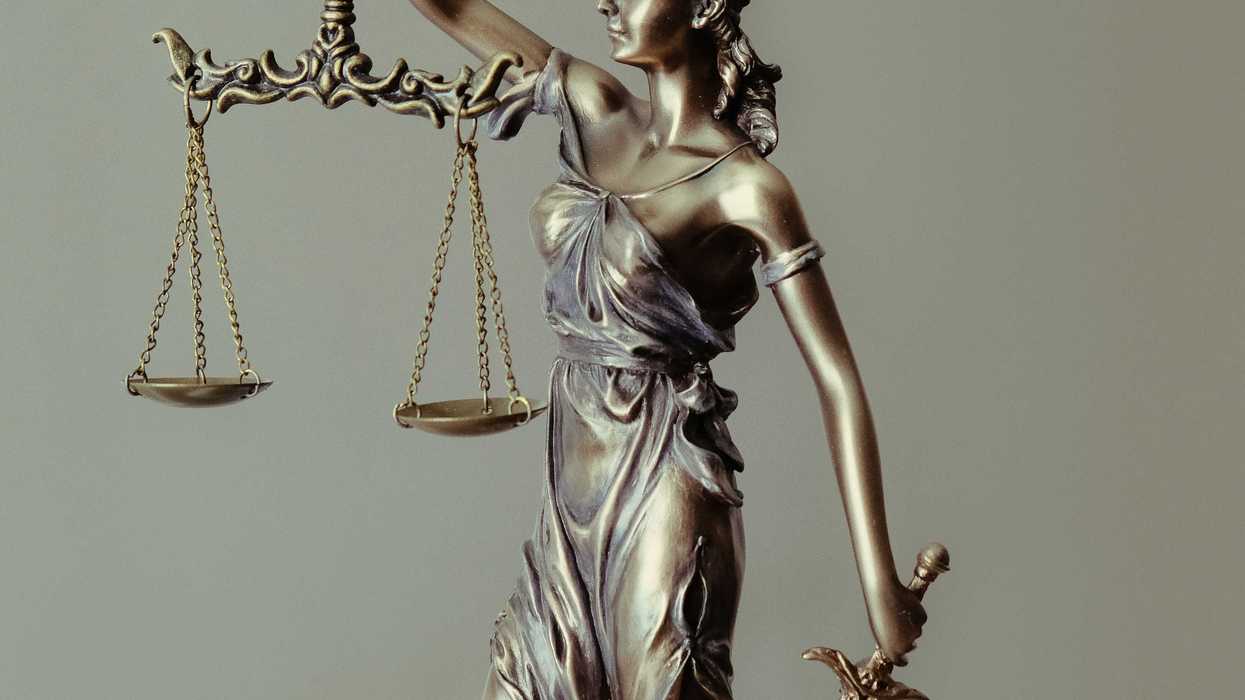

Each year in January a variety of international organizations of lawyers including several Bar Associations and Law Societies commemorate the International Day of the Endangered Lawyer. The recognition began in 2009, dedicated to the memory of five lawyers murdered in the 1977 Atocha massacre in Madrid. The day marks the observance that, around the world (usually in tyrannical regimes), lawyers face threats, intimidation, and retaliation for carrying out their legitimate professional responsibilities of defending human rights and liberties while upholding the rule of law. Historically, the recognitions have focused on, for example, Belarus 2025; Iran 2024; Afghanistan 2023; Colombia 2022; Azerbaijan 2021; Pakistan 2020; Turkey 2019; Egypt 2028; China 2017, and so on. Traditionally, the focus has been on countries; we in the common law system might have considered them less developed than, say, the UK, US, Canada, and Australia.
This year is different. This year, the international organizations chose to focus on the United States of America as the place where lawyers and the rule of law are under severe threat.
The Trump administration's assault on lawyers and the rule of law has drawn international condemnation and placed the entire profession in peril.
It is fairly well accepted that the Department of Justice under Bondi has lost its independence and moral compass and currently operates as a weaponized agency primarily to carry out the President’s bidding. Further, it has lost credibility with the Judicial system after several of its attorneys have been reprimanded for lying to the Courts. AI tells me that more than 6,400 employees have left the Department of Justice, and that 230 lawyers have been fired since the President took office.
The adversarial system is fundamental to the US legal framework, emphasizing the role of juries in trials. The Fifth Amendment guarantees all persons (it is not limited, I note, to just citizens) a right to due process, and the Sixth Amendment provides all persons (once again not limited to Citizens) with a right to Counsel. Several Courts have held summarial extradition to be unconstitutional.
This Administration has elicited a coordinated campaign undermining the independence of the legal profession in the U.S. through various executive actions and political pressures, as part of an overt effort to deny the people of America their constitutional rights.
- The American Bar Association (ABA) has been subjected to threats and restrictions, including lawsuits against the government for retaliatory measures.
- State bar associations have been stripped of their DEI programs and have been intimidated from commenting on constitutional abuses by the government
- Presidential Memoranda and Executive Orders have targeted at least 15 distinguished law firms and lawyers, restricting their professional practices, not because they committed malpractice or ethical violations, but because the President did not like the clients that they represented or the positions that they took in court.
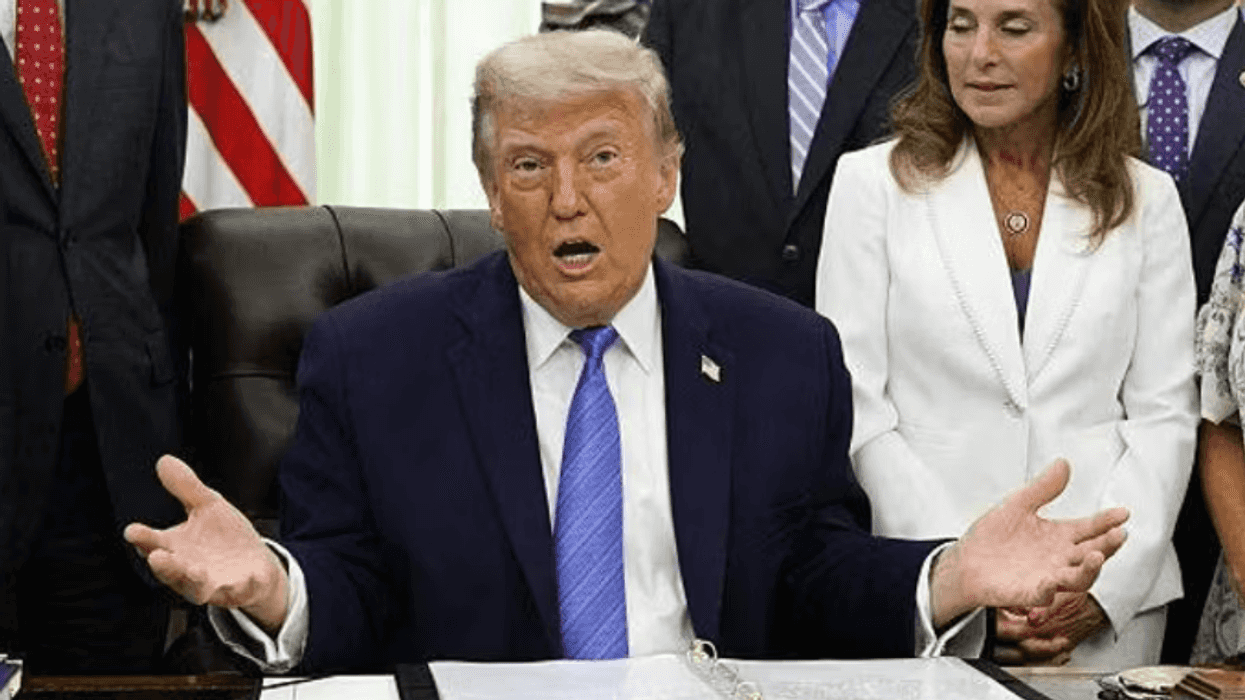
The President of the United States is the most corrupt in history having been twice impeached, convicted of 34 felonies, accused of sexual assault by more than 25 women, accused of fraud in a variety of manifestations, having enriched himself and his family to the tune of several billion dollars, while in office, as well as being the subject of other criminal accusations, declared recently that there is no limit on his global authority specifying: that his only limitation is his own morality…my mind is the only thing that can stop me.
Stephen Miller, a Senior White House adviser to the President, opined, “We live in a world, in the real world…that is governed by strength, that is governed by force, that is governed by power. These are the iron laws of the world.”
US Supreme Court Justice Sonia Sotomayor recently wrote that “When the Executive publicly announces its intent to break the law, and then executes on that promise, it is the Judiciary’s duty to check that lawlessness, not expedite it.”
Justice Elena Kagan warned that Donald Trump would have "massive unchecked, uncontrolled power."
And Justice Ketanji Brown Jackson explained that "having a President come in and fire all the scientists and the doctors and the economists and the PhDs (and I selfishly insert lawyers) and replacing them with loyalists and people who don't know anything is actually not in the best interest of the citizens of the United States."
Lawrence Tribe states that Trump’s Conduct poses a significant threat to the integrity of the legal system. He emphasized that Lawyers hold a crucial position in the defense of democracy, asserting that they can either uplift it or facilitate its downfall. Trump’s actions, including the targeting of lawyers and law firms critical of his administration, are seen as an attempt to intimidate the legal profession.
For some deeper analysis, I encourage you to access the:
REPORT ON THE COALITION FOR THE INTERNATIONAL DAY OF THE ENDANGERED LAWYER
The American Government is founded on the law as grounded in the US Constitution. The President’s approach to governance is to ignore the law and simply pardon anyone who violates the law on his behalf. In so doing, in the words of Justice Sotomayor, the Trump administration is asking the Supreme Court "to destroy the structure of government”.
Without independent lawyers to hold the government accountable, there can be no law.
Walter Hiawatha White Jr. is a member of the Board of Directors of Lawyers Defending American Democracy; a founding director and later chair of the American Bar Association Center for Human Rights; past chair of the ABA Section on Civil Rights & Social Justice; a past member of the ABA board of Governors; Past Chair of the Central Asian American Enterprise Fund, (appointed by President Clinton), retired Partner of several international law firms. www.ldad.org