

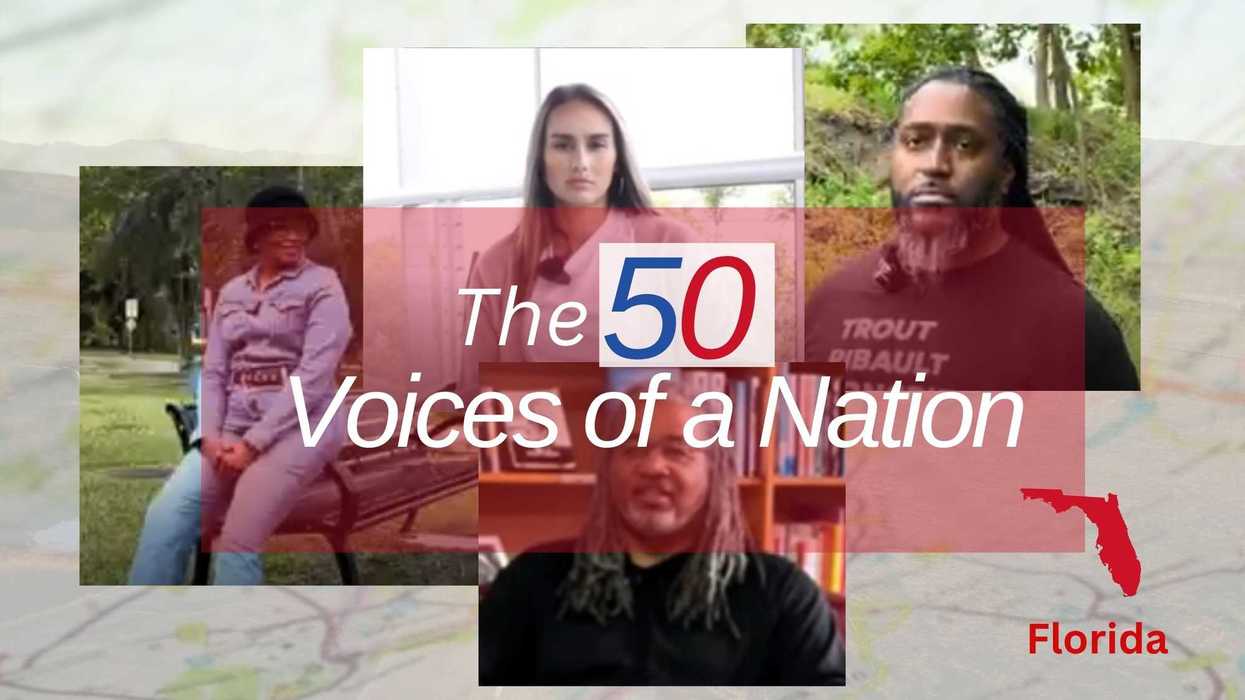
JACKSONVILLE, Florida — The St. Johns River is more than a body of water in Jacksonville — it’s a memory keeper. It carries the stories of shrimpers and shipbuilders, of families who grew up fishing from wooden docks, of neighborhoods shaped by tides and storms. It is the quiet force that binds the city’s past to its future. But the river is also a mirror. It reflects the inequities, pressures, and possibilities of the communities along its banks. And in Jacksonville, a growing coalition of residents and organizations is stepping forward to protect it — not just as an ecosystem, but as a shared civic inheritance.
- YouTube youtu.be
The river faces a familiar but urgent list of threats: polluted runoff, wetland loss, industrial expansion, and climate‑driven flooding. For decades, these challenges were treated as technical problems — issues for scientists, regulators, and agencies. But in Jacksonville’s neighborhoods, the river’s decline has never been abstract. Floodwaters rise into yards. Storm drains back up. Trash collects in creeks. Fish kills appear after summer storms. Residents see the river’s health in real time, and they feel its consequences. That lived experience is reshaping who leads the fight for the river.
"So to me, the river is home," said Soraya Aidinejad, the Ecological Science Director for St. Johns Riverkeeper. "There's like this peaceful aspect to being on the river or just seeing the river." When Aidinejad stands on the riverbank, she doesn’t think about data first — she draws from a lifelong connection to the Jacksonville community, reflecting on the profound personal significance of the local waterway: The fisherman who can’t cast where he used to. The grandmother whose street floods every king tide. The students who learn that their river is both beautiful and vulnerable. Riverkeeper’s work blends science with civic action: monitoring water quality, challenging harmful development, educating neighborhoods, and mobilizing volunteers. Their message is simple: the river belongs to everyone, and everyone has a role in protecting it.
Local Initiatives Support Corporation (LISC) is known nationally for housing and economic development, but in Jacksonville, its work increasingly intersects with environmental resilience. In neighborhoods along the Trout River and Ribault River, LISC helps residents secure funding for stormwater improvements, build green infrastructure, and lead their own planning processes. LISC’s approach reframes environmental protection as a justice issue. Flooding, pollution, and poor drainage don’t hit every neighborhood equally — and LISC helps communities organize to change that.
Kristopher Smith. LISC's Senior Community Development Program Officer explains how work brings him into constant conversation with residents whose ties to the Ribault and Trout River corridors stretch back generations. He sees the river not just as an environmental asset, but as a cultural one — a place where identity, memory, and resilience meet. "In the Ribault area, a neighborhood of historic African Americans and folks who have lived in legacy neighborhoods like Sherwood Forest, you've got Harborview, Lake Forest, and Ribault, and they have been living there over decades," Smith said. "These are places where folks have built homes, sent their kids to school, and had opportunities to build a relationship with the waterway. The waterway has been one for active community events, and for fishing, boating, and, in recent times, the St. Johns River dredging has caused some concern in the Ribault River tributary, and that's been raised because of the quality of the water. So what we're looking to do is understand the water quality and what can be done to improve it so the folks who are living there can still access that water and enjoy the benefits of it."
In Riverview, a historic, predominantly Black neighborhood bordered by the Trout River, residents have long felt overlooked in conversations about flooding and environmental investment. The Riverview Collective Community Organization (RCCO) is changing that. They host creek cleanups, organize neighborhood meetings, and push for infrastructure improvements. They partner with Riverkeeper and LISC, but they also build their own leadership — rooted in the belief that the people who live closest to the river should have the strongest voice in its future. Their work is a reminder that environmental stewardship is not just about ecosystems — it’s about dignity, representation, and belonging.
For Marshiray Wellington, the work of the RCCO is about creating moments where neighbors can learn, organize, and imagine a different future together. "We are using Oysterfest to bring the community together to educate them around the challenges that our community is facing and then strategies that we as a community can put in place to respond to that, Wellington said. "We're also trying to bring the attention of the city to our neighborhood... so that hopefully we can get more to join our efforts in revitalizing our neighborhood. The goal is to kind of restore us back to a thriving neighborhood."
In Lake Forest Hills, just west of the Trout River, the Lake Forest Hills Next Door Community Network has become a lifeline. Residents use it to report flooding, organize cleanups, share environmental alerts, and support seniors during storms. It’s not a formal nonprofit. It’s neighbors talking to neighbors — and that’s exactly why it works. Their hyper‑local vigilance fills gaps that agencies can’t always reach. When a storm drain clogs, a creek overflows, or illegal dumping occurs, the community responds first. They are the river’s eyes and ears.
From her kitchen window overlooking the Ribault River, Antoinette Wells, chairperson of the Lake Forest Hills Nextdoor community network, describes her mission in the neighborhood with unmistakable clarity. "My slogan is helping the neighborhood one house at a time. And those neighbors that need minimal, like small repairs under 500, helping them with neighborhood beautification competitions and contests, just so they can develop some pride that just because we're on the north side, it's important that we keep our yard and keep our property just as nice as the other sides of town," said Wells. "That's what I want to encourage: a pride, some sort of pride. Let's make our neighborhood just as beautiful as the other sides of town."
What ties these groups together is not a shared structure — it’s a shared belief: the health of the St. Johns River is inseparable from the health of the communities along it. Riverkeeper brings science and advocacy. LISC brings resources and planning. Riverview Collective Community Organization brings grassroots leadership. Lake Forest Hills brings hyper‑local action. Together, they form a civic ecosystem as interconnected as the river system they protect.
The St. Johns River has shaped Jacksonville for centuries. Now, Jacksonville’s residents are shaping the river’s future. Their work is not glamorous. It’s not always visible. But it is powerful — and it is growing. In a city defined by water, these are the voices rising to protect it. Not as experts or activists alone, but as neighbors, storytellers, and stewards of a river that holds their history and their hope.
Hugo Balta is the executive editor of The Fulcrum and the publisher of the Latino News Network.
The 50 is an award-winning documentary series. The four-year multimedia initiative led by The Fulcrum, travels to communities in every state to uncover what motivated Americans to vote in the 2024 presidential election. Through in-depth storytelling, the project examines how the Donald Trump administration is responding to those hopes and concerns—and highlights civic-focused organizations that inform, educate, and empower the public to take action.










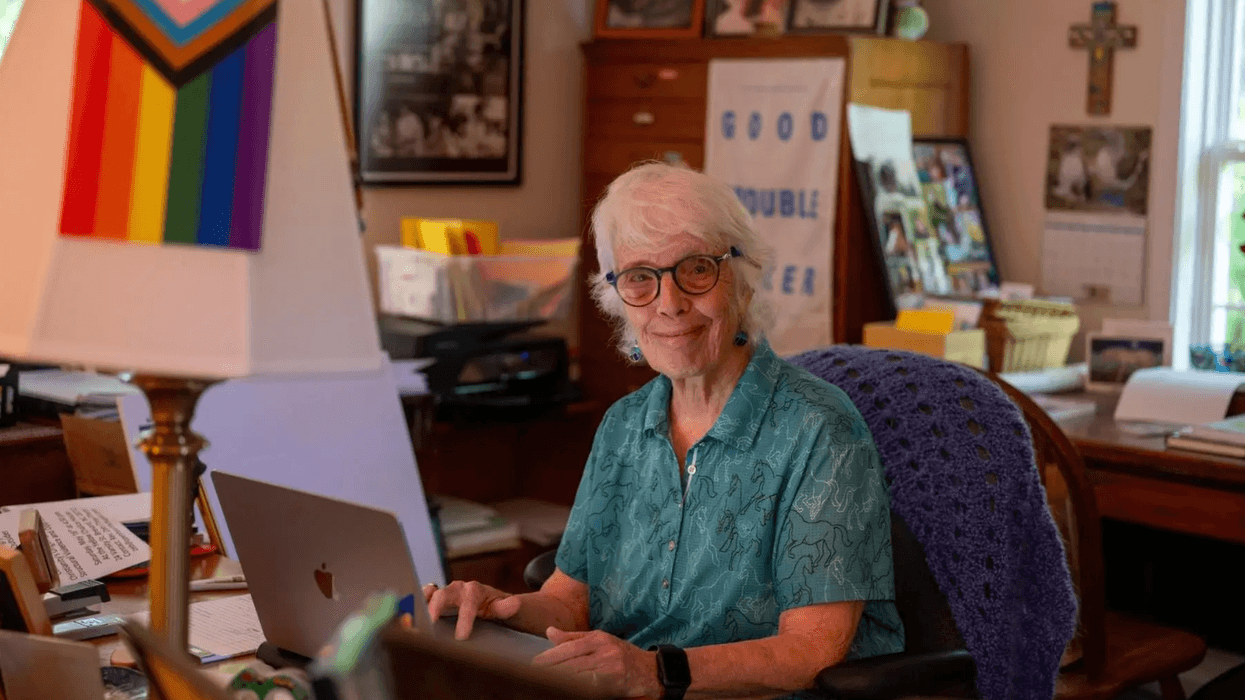
 Heyward’s love of animals is a big part of who she is—her two poodles are often around during Zoom calls and strategy meetings. (Erin Brethauer for The 19th)
 In the NAACP, Heyward is holding lots of strategy sessions and meetings to organize how they are going to canvas to get out the vote in upcoming elections and fight for the protection of voting rights in North Carolina. (Erin Brethauer for The 19th)
 Heyward said she learned about justice-love from her beloved late horses Breaker, who had green eyes, and Feather. She keeps framed photos of them; they were like her best friends, she said. (Erin Brethauer for The 19th)