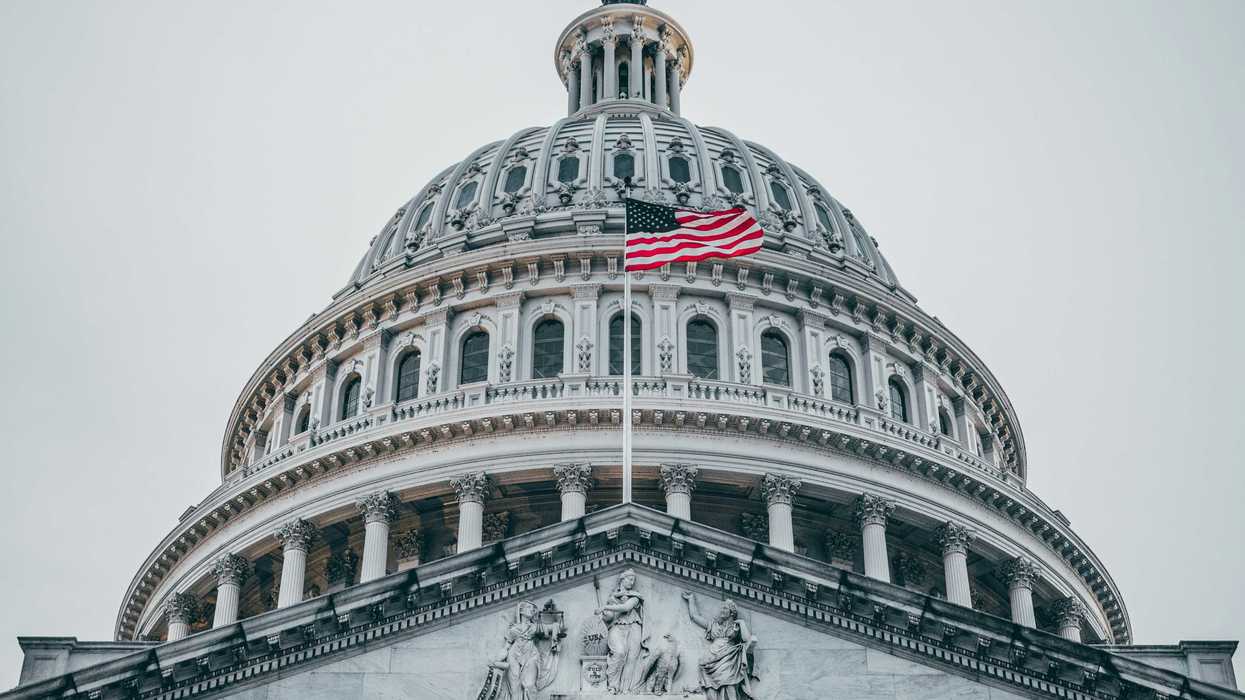



As the nation approaches its 250th anniversary on this July 4th, 2026, an uneasy feeling hangs over many of the celebrations: that this moment feels smaller than it should. Less unified. Less transcendent. Less shared.
There is a growing sense that America’s 250th anniversary is arriving without the kind of shared civic feeling such a milestone might once have inspired. That should not surprise us. The institutions, habits, and experiences that once drew Americans together into a common civic fabric have changed. Our media landscape is fragmented. Our politics are polarized. Americans increasingly experience public life through separate cultural, political, and digital communities rather than through shared national rituals.
But that does not diminish the significance of this anniversary. In many ways, it heightens it. A nation’s 250th birthday is not meaningful because unity arrives automatically or because disagreement disappears. It is meaningful because it offers an opportunity to renew the habits of civic life, reflect on the responsibilities of self-government, and recommit ourselves to the shared constitutional project that connects Americans across generations.
The mistake would be waiting for one grand national moment and missing the thousands of meaningful civic moments already unfolding across the country.
Across America, museums, libraries, classrooms, historic sites, parks, houses of worship, and civic organizations are preparing hundreds of new exhibits, performances, conversations, reenactments, concerts, community service opportunities, and family experiences that invite Americans to engage deeply with our shared story.
Some of these moments will happen on a grand scale. Philadelphia’s Wawa Welcome America celebration will bring together millions for concerts, fireworks, public programs, and civic gatherings across the birthplace of American democracy, including the family-friendly Red, White, & Blue To-Do across Philadelphia’s Historic District, where the National Constitution Center is proud to join fellow cultural and historic partners in welcoming families from around the city, nation, and world for a joyful celebration.
During Independence Week, on July 3rd, the Center will also host a special Liberty Medal ceremony honoring Pope Leo XIV and his commitment to religious liberty and freedom of conscience.
New York Harbor will welcome the world through Sail4th 250, featuring the largest flotilla of tall ships ever assembled in the Port of New York and New Jersey. Washington, D.C., will host major exhibitions and public commemorations on the National Mall, while Boston and communities across Massachusetts will recreate pivotal Revolutionary-era moments that invite Americans to reflect on the ideas and sacrifices that shaped the nation. In Virginia, traveling museum initiatives and statewide commemorations will bring stories of the founding and civic participation directly into communities across the Commonwealth and beyond.
Elsewhere, Americans will encounter the anniversary in quieter but no less meaningful ways: community mural projects in West Virginia, liberty tree plantings in Kentucky, storytelling projects collecting family histories, museum trucks traveling rural America, neighborhood block parties, local historical society exhibits, and naturalization ceremonies welcoming new citizens into the American experiment.
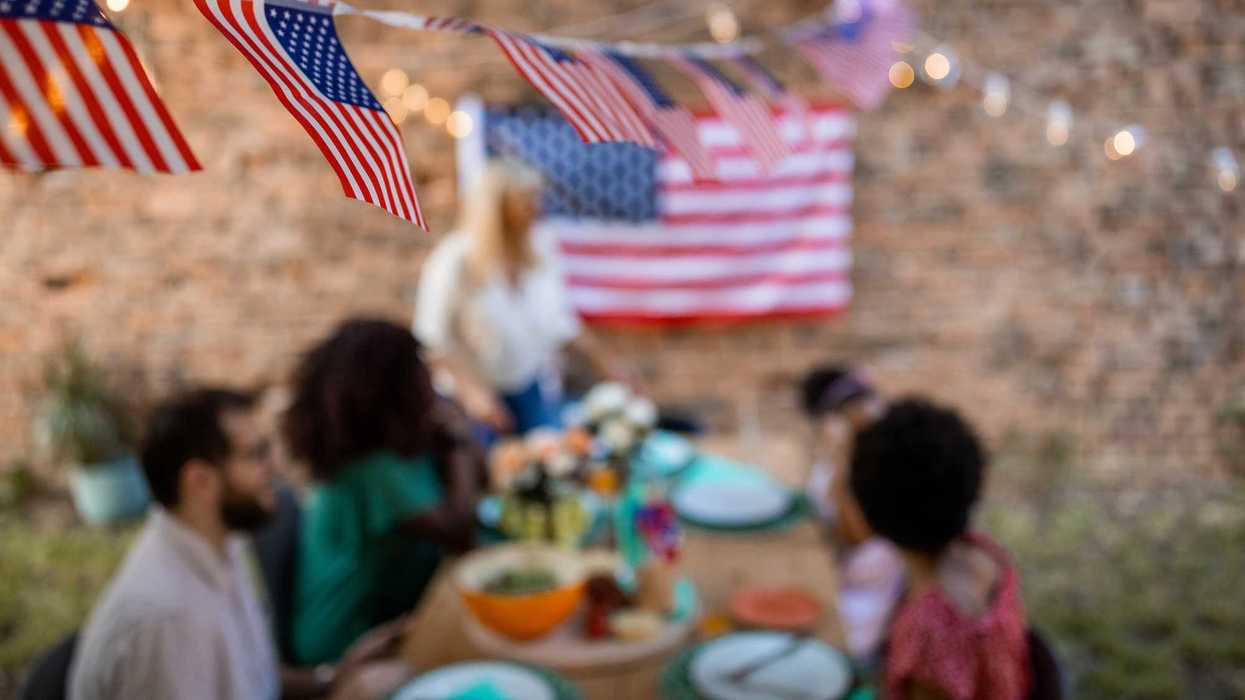
And perhaps most importantly, millions of Americans will encounter this anniversary not primarily through pomp, parades, or fireworks, but with friends and family around kitchen tables, at backyard barbecues, during family road trips, while reading stories aloud with children, or while reflecting together on the ideals, responsibilities, and gifts of American citizenship.
That matters. Civic life has always depended less on spectacle than on participation.
As leaders of the National Constitution Center, we believe deeply in the lasting power of these commemorative moments because our institution itself is a product of one. The Center was born out of the bicentennial of the Constitution in 1987, when Americans recognized the need for a permanent institution dedicated to constitutional education and civic dialogue. The investments made then continue to shape civic life nearly four decades later.
That history should remind us that anniversaries are not endpoints. They are invitations.
America’s 250th cannot merely be a single year, a single ceremony, or a passing celebration. It must be the beginning of something larger: a civic decade stretching toward the Constitution’s 250th anniversary in 2037 and the Bill of Rights’ 250th in 2041.
Because anniversaries, at their best, do not simply ask us to remember. They ask us to recommit. To renew the habits of citizenship. To strengthen the institutions of civic life. To prepare the next generation not only to inherit the American experiment in self-government, but to help lead and sustain it.
If we meet this moment with seriousness and imagination, the semiquincentennial can become more than a commemoration of who we were. It can help shape who we aspire to be.
So our plea is simple: do not let America’s 250th pass you by.
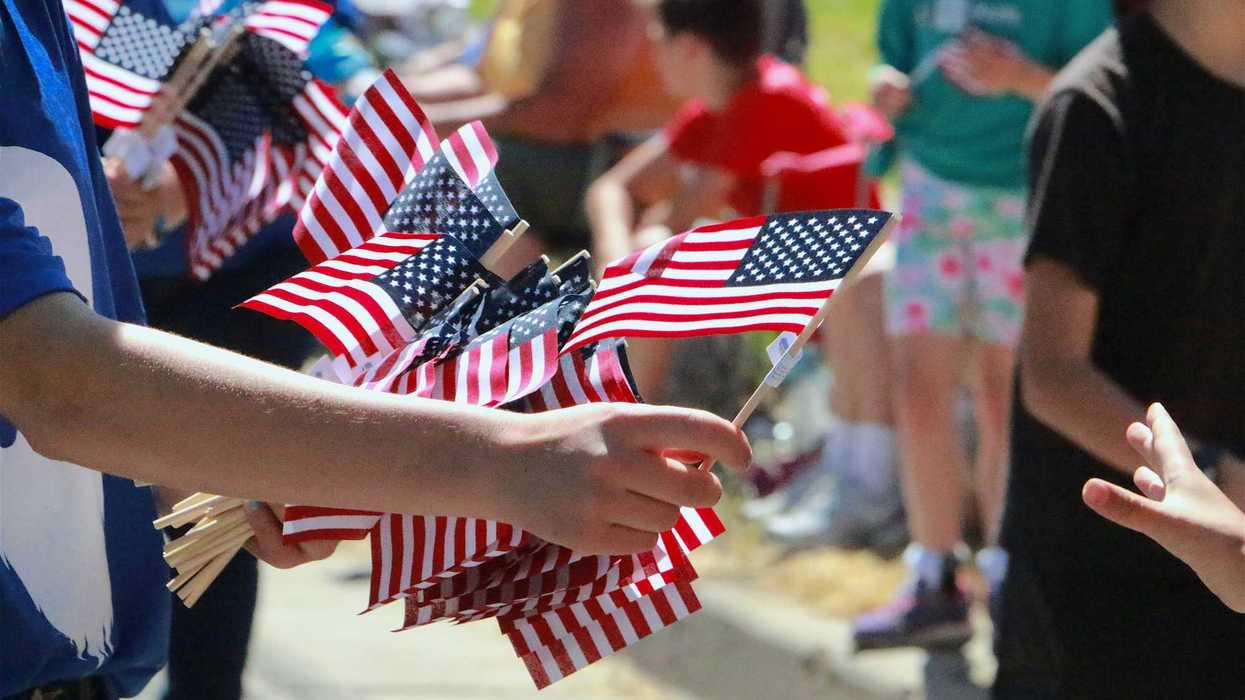
Attend the parade. Visit the museum. Read the Declaration aloud with your family. Volunteer in your community. Travel to a historic site. Bring your children to a reenactment, concert, lecture, or naturalization ceremony. Ask questions. Listen to stories. Reflect together on the enduring ideals of the Declaration of Independence and the privileges and responsibilities of citizenship in a constitutional democracy.
The 250th will not be defined by a single televised moment or one national stage. Its meaning will be found in millions of acts of participation, reflection, service, curiosity, and civic connection across the country.
The 250th will be what we make of it.
Vince Stango is the Interim President & CEO of the National Constitution Center.
Julie Silverbrook is the Chief Content and Learning Officer of the National Constitution Center.