

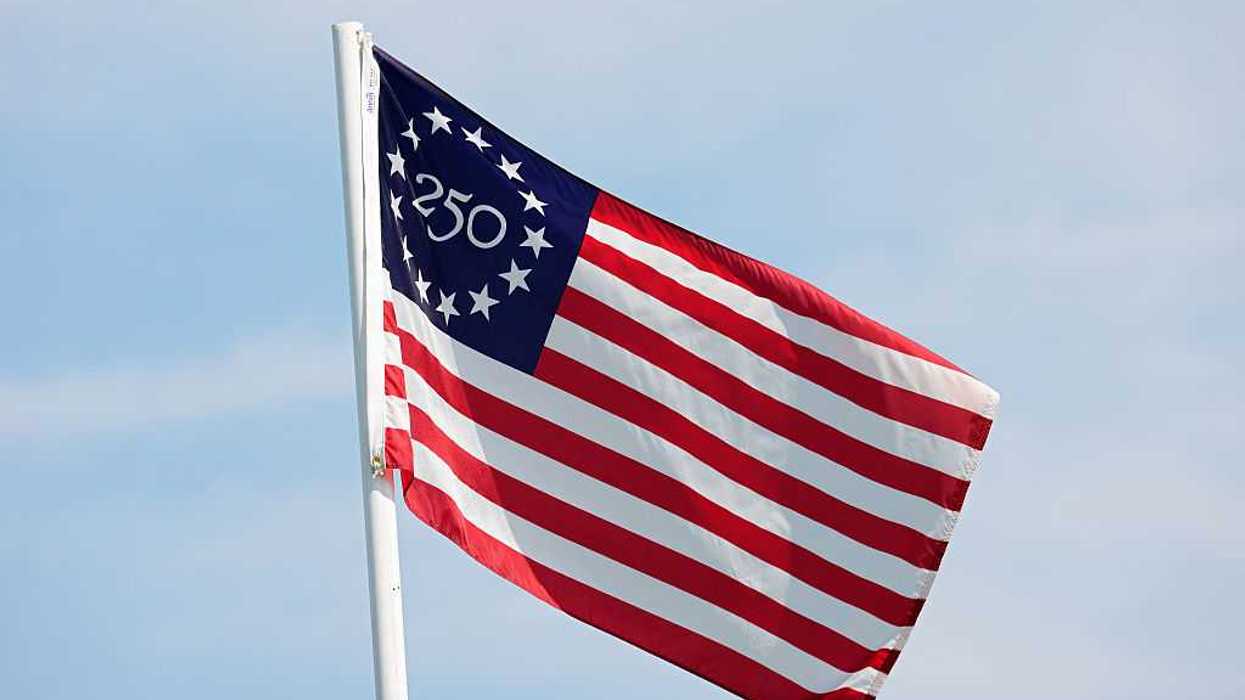

A nation’s anniversary is not a monument to its leaders. It is a mirror held up to its people. At its best, it asks citizens to see what the country has achieved, what it has become, and what it still hopes to be. America’s 250th anniversary has now revealed how divided the national mood truly is — a moment that should have unified the country instead exposed how distant many Americans feel from the story being told.
That emotional reality is central. Before it is a political or historical milestone, this anniversary is lived experience. Millions of Americans did not feel reflected in the national mood surrounding the 250th. Some are exhausted by years of political conflict. Others feel detached from civic rituals that no longer seem to reflect a shared national identity. Still others experience a quieter estrangement — the sense that national storytelling has become filtered through politics. When civic rituals lose shared ownership, the constitutional design that depends on public recognition begins to strain.
Congress originally envisioned America250 as a bipartisan civic commemoration meant to strengthen unity and renew engagement with the nation’s constitutional inheritance. It was designed for reflection, not performance. Yet as it was rebranded under “Freedom 250,” many saw the celebration’s tone shift. What was intended as a shared national story increasingly revolved around narrower political framing and a more personalized narrative. The anniversary became a mirror reflecting not only our achievements, but our unresolved tensions.
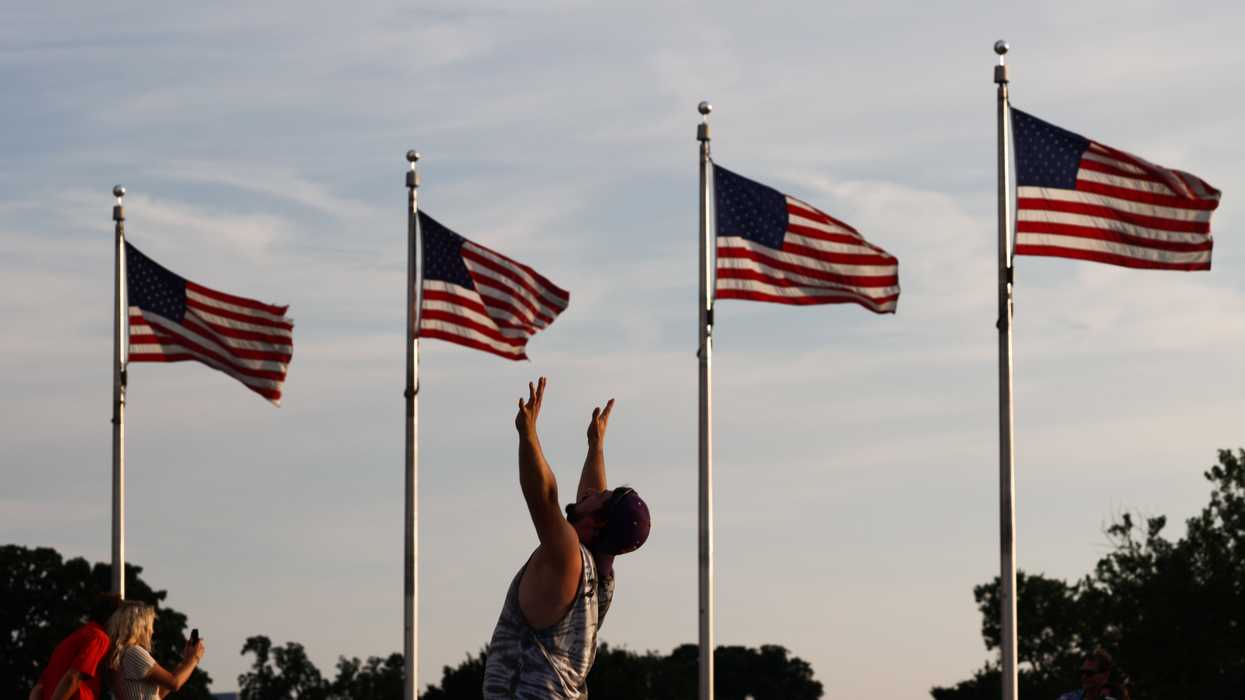
For many Americans, the tone of the celebration confirmed that concern. My niece, who visited Washington during the anniversary weekend, described a mood more tense than celebratory. She spent time around the monuments, museums, and the National Mall, noticing a heavy Coast Guard presence, MAGA hats, and an atmosphere more guarded than festive. Her experience echoed national reporting: on July 4, hundreds of masked members of the white nationalist group Patriot Front marched through the city carrying Confederate and inverted American flags. For many visitors, the scene reinforced the sense that the 250th unfolded not as a unifying civic moment, but as a reflection of the country’s divisions.
This sentiment reflects a broader backdrop shaped by the past decade of American life — and sharpened by recent months. The country has endured sustained conflict over elections, constitutional norms, executive authority, immigration policy, and civil rights.
Reporting shows that former Homeland Security Secretary Kristi Noem said her team had a plan to “make sure we have the right people voting, electing the right leaders to lead this country” — a remark many now interpret through the lens of current legislation and efforts to elevate election deniers. Polling indicates that 73% of Americans believe the president is not paying attention to the issues that matter to them. Fatigue is not only a symptom; it is a warning that civic renewal is overdue.
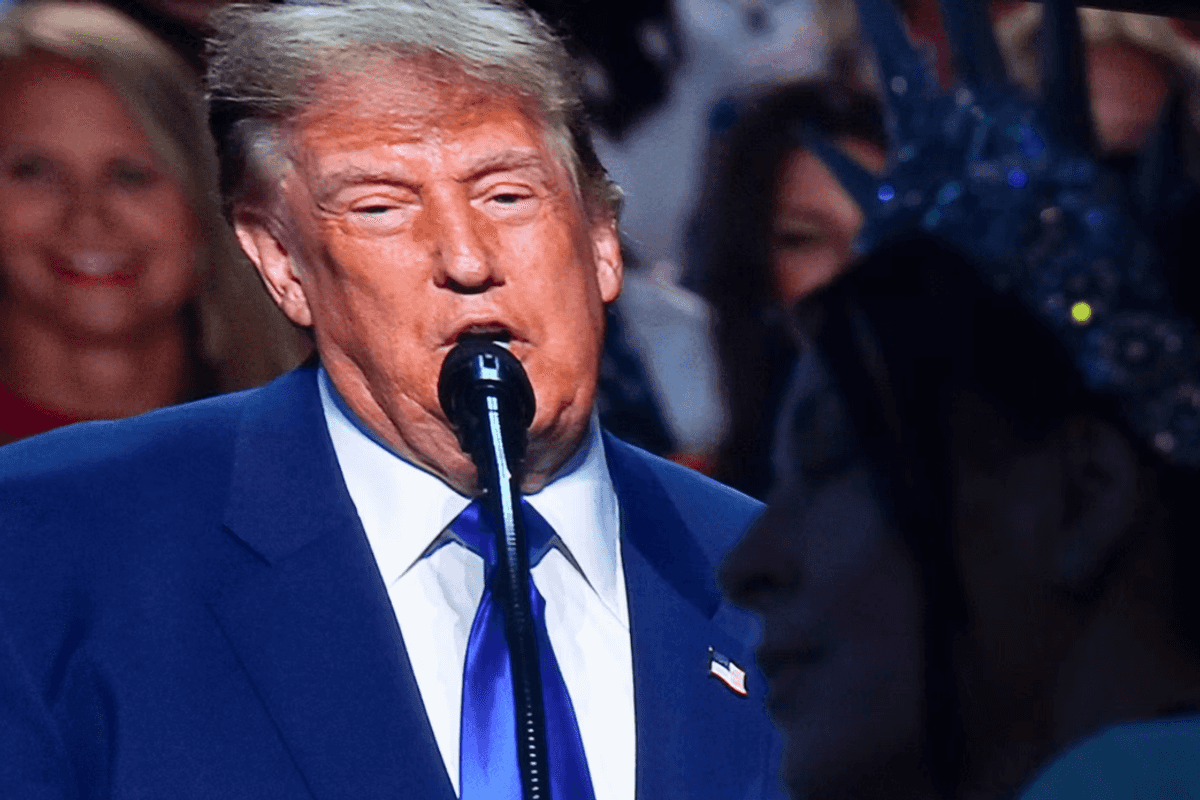
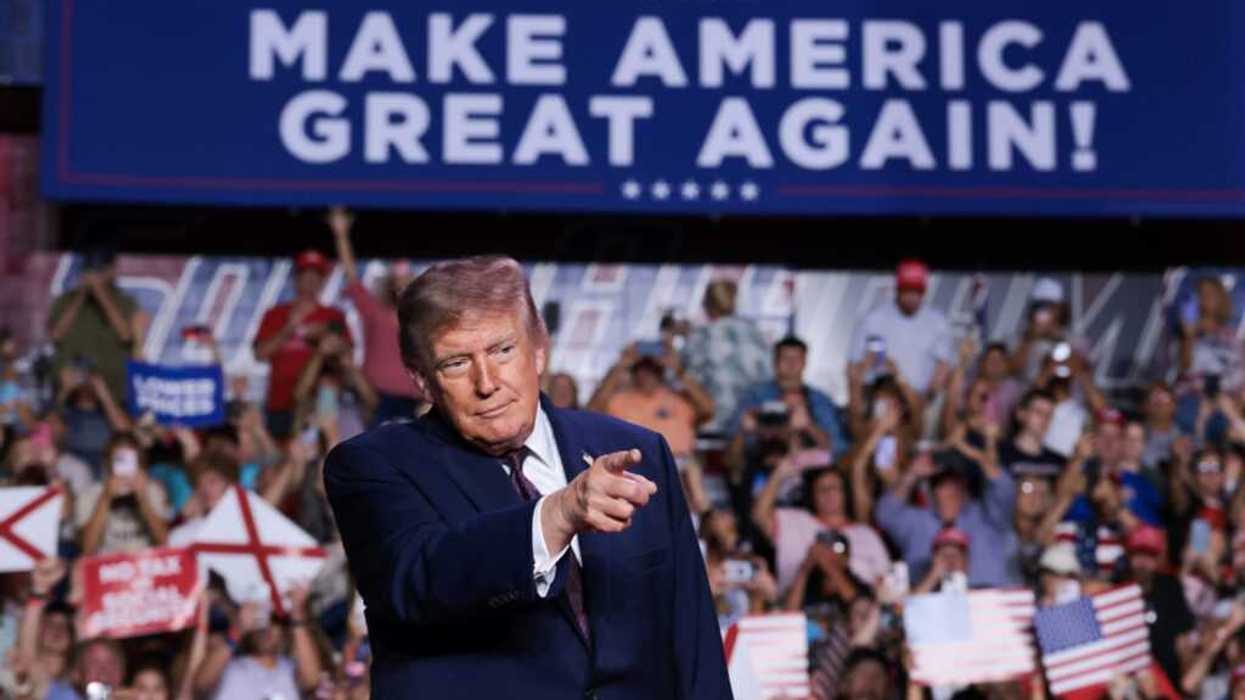
Within that environment, President Trump remains a defining figure in American political life. For supporters, he represents disruption and strength. For critics, he represents a period in which political identity and institutional strain became deeply intertwined. Recent statements — including his claim that political opponents would seek to impeach him if they win — have reinforced for many Americans the sense that national commemoration has become entangled with personal political narrative.
Reporting also shows that a Qatari jet he described as a “gift” has required renovations that could cost taxpayers hundreds of millions of dollars, deepening concern about personalization of office and the burden placed on citizens. Immigration policy has added to that concern: more than a million people — nurses, caretakers, construction and hospitality workers — have lost legal status, while white immigrants continue to be welcomed. For many Americans, these choices have made the anniversary feel less like a celebration of national progress and more like a reminder of who is included in the national story — and who is not.
Yet the deeper issue is civic ownership. National anniversaries are not meant to belong to presidents or parties. They belong to citizens. When large portions of the public no longer see themselves reflected in national rituals, those rituals lose their unifying force — not because the nation has failed, but because shared recognition has weakened.
The Constitution anticipates this danger. It disperses power to prevent any single leader from becoming synonymous with the nation itself. Sovereignty rests not in the presidency, but in the people. That design is what makes national anniversaries meaningful in the first place: they reflect a civic identity larger than any one administration.
A contrast can be seen in other civic moments of reflection. Coverage of the opening of the Obama Presidential Center described a gathering that included former Presidents George W. Bush, Bill Clinton, and Joe Biden, alongside international figures such as former German Chancellor Angela Merkel and former Canadian Prime Minister Justin Trudeau. Cultural and civic leaders also participated, and reporting emphasized an atmosphere oriented toward reflection, public service, and institutional continuity — a tone many Americans hoped to see in the 250th.
The significance of this contrast is experiential. It illustrates how differently citizens respond to national moments depending on whether they feel included in them. When civic events emphasize shared identity and reflection, they tend to generate broader engagement. When they appear more personalized or politically filtered, many experience distance instead of belonging.
George Santayana warned that those who cannot remember the past are condemned to repeat it. But remembrance is not only about avoiding repetition — it is about recognizing patterns of civic strain and renewal. Every generation inherits both the Republic’s achievements and its unresolved tensions. Some eras emphasize unity; others expose fracture. The question is whether citizens interpret those tensions as permanent division or as challenges requiring renewal.
Looking back at the past decade, many Americans hold mixed impressions: pride in democratic participation alongside concern about polarization, institutional distrust, and the personalization of political life. The Republic appears both durable and strained — its institutions functioning, but its shared civic identity thinner.
Still, resilience matters. Despite pressure and division, constitutional systems continue to operate: elections proceed, courts rule, and civic freedoms remain intact. These guardrails are not self-sustaining, but they have not failed. Their endurance depends on continued civic participation.
That is the deeper lesson of this anniversary. A republic is not preserved through ceremony alone. It is sustained through participation. Citizens must remain engaged with history as responsibility, not myth. They must reject cruelty as a substitute for leadership, resist falsehood as civic norm, and insist that accountability extends beyond party loyalty. Voting is one form of civic duty, not its limit. Civic life requires attention, memory, and engagement. Renewal begins when citizens reclaim the rituals meant to reflect them.
America’s 250th anniversary should not be understood as a celebration of completion. It is an acknowledgment of endurance and an invitation to reflection. The mirror it holds up is not always comfortable. It reflects unity and division, hope and fatigue, belonging and distance. But it also reflects something essential: a system still capable of self-examination.
If Americans look honestly into that mirror — not to admire themselves, but to understand themselves — this moment may yet become more than a fractured celebration. It may become a turning point toward renewal. The future of the Republic will not be determined by who narrates its anniversaries, but by whether citizens still recognize one another in a shared democratic experiment.
____________________________________________________________________________
Carolyn Goode is a retired educational leader and former human relations and professional development coordinator who writes about civic responsibility, democratic values, and the everyday experiences that reveal who we are as a nation.










The President Invited Iran to Bomb My Home