



During the 20th century and for the first part of the 21st, the Democratic Party certainly led the nation in advancing the cause of equality and the ability of people to pursue their right to life, liberty, and happiness. At the same time, they led the nation by increasing its military might and advancing its power around the world to protect the human rights of others.
The American worker would likely still be toiling for low wages in industrial hell-holes were it not for the laws that Democratic-led Congresses passed to increase the rights of workers vis-a-vis employers and the rights of unions. Black individuals and other people of color would still be burdened by widespread discrimination—official and otherwise—were it not for the laws that Democratic-led Congresses passed to protect their rights as American citizens. This is not to say that we have achieved equality, but we have made much progress.
Democrats have also been firm supporters of this nation's military—not giving the defense establishment everything it wanted, but ensuring a strong military that was the best in the world. And it was Democratic Presidents and Congresses that led our entry into WWI to ensure the defeat of Germany and its allies and the freedom of Europe and much of the world. Although misguided, our entry into the Vietnam War was also in this tradition.
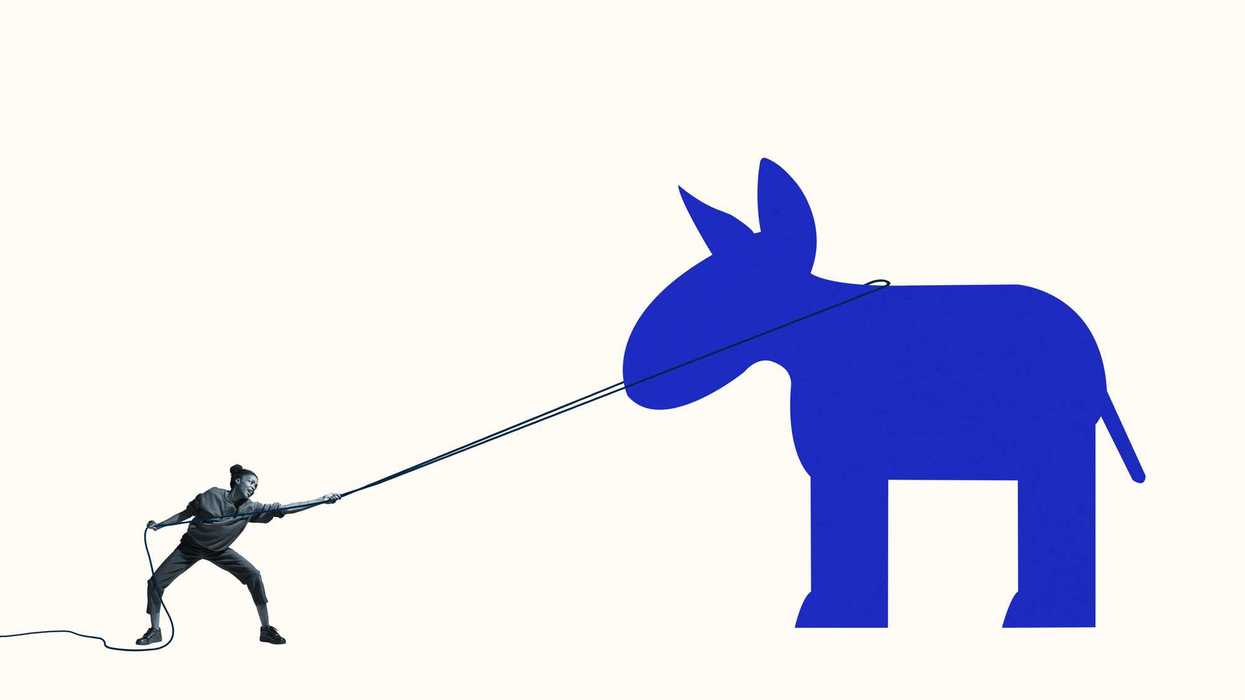
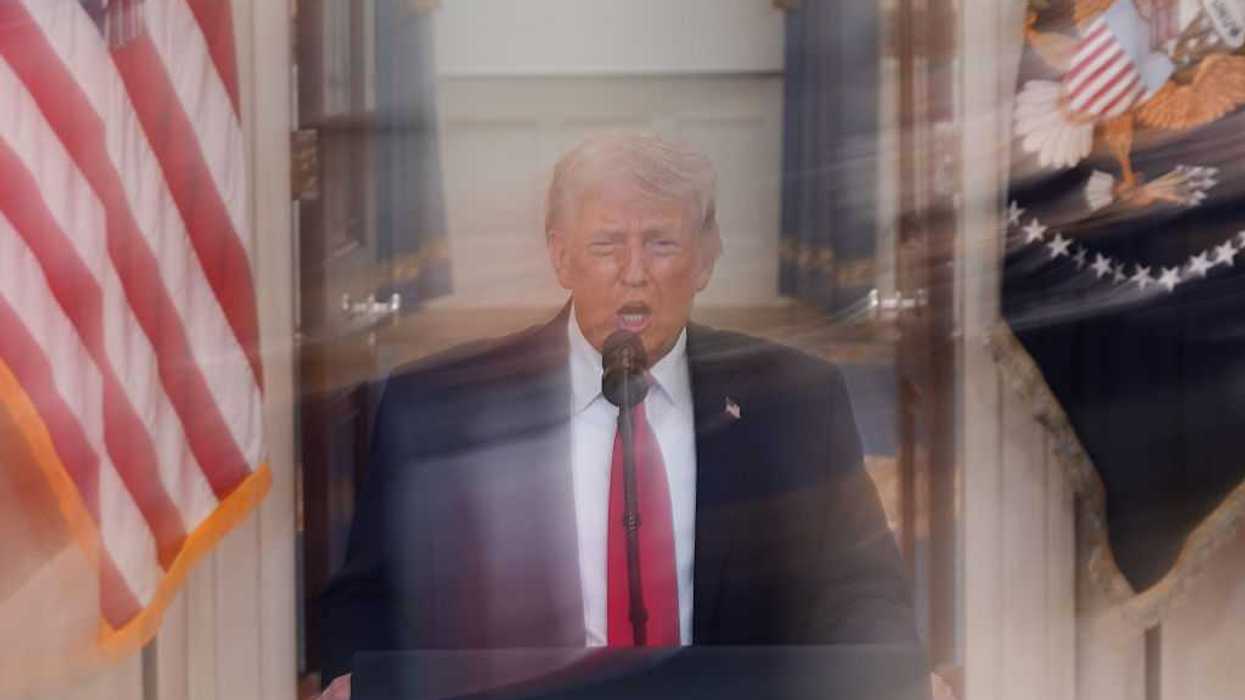
But Democrats seem to have lost their oomph. Ever since the end of the Obama Presidency and the rise of Donald Trump, the Democratic Party has lost its bearing. Perhaps the "Party" only ever had an amorphous bearing, and it was the leaders of the Party, the Presidents or others, who harnessed that bearing and energy and fashioned its greatness and contribution.
Since Obama, no one has risen who had the greatness in him or her to lead the Party to make America even greater than it was and its people more equal and prosperous than before. But America and Democrats cannot sit and wait for such a person to rise again from the midst of the Party.
The Party and its leaders must fashion a structure that enables them to lead even when out of power and lacking the galvanizing presence of a President. Walter Mondale said, after the defeat of John Kerry in 2004, that “we really need to work on the question of what we are for. Unless we have a vision and the arguments to match, I don’t think we’re going to truly connect with the American people.“ And this was after a presidential election—the quadrennial defining moment for the Party!
Prior to that election, I wrote the book, We Still Hold These Truths: An American Manifesto, to answer the question—what should the Party stand for—both for the Party and the American people. I used the famous words of the Declaration of Independence as a touchstone to examine all aspects of government policy and propose the direction government policy should take.
I also wrote a mission statement for the Party based on the Declaration:
“To build a country of greater opportunity where:
- each and every American has a real chance to experience the promises made in the Declaration of Independence: 'that all men are created equal; that they are endowed by their Creator with unalienable Rights, that among these are Life, Liberty, and the pursuit of Happiness' ;
- government meets its responsibility as set forth in the Declaration—‘to secure these rights’; and
- all citizens have a shared responsibility to support the government’s efforts to secure these rights and promote the public good, each according to his ability.”
These words from the Declaration of Independence are the moral philosophy, the heart, the soul of American democracy. This is, or at least until recently was, America’s common faith. Democrats must restore that faith. To further that promise of equality and opportunity with fiscal responsibility should be the clear mission of the Democratic Party.
This should be the litmus test. All the policies of the Party should flow from this mission statement, and any proposed policy that does not further the mission statement should be dropped. Government should support industry and commerce insofar as they support this mission. But if industry interests do not further this mission, if they seek power and riches for themselves without benefit to the people, the Party should not support those interests.
Too often, when proposing measures to protect the people in the areas of finance and industry regulation, Democrats have held back somewhat because of the interests of industry. And in some areas, like free trade agreements, they have capitulated to the interests of industry in spite of the valid objections of unions. And so the American worker and public have suffered, destroying their faith in the Party.
All American men, women, and children are owed the support of government policies in education, health care, civil rights, security, the economy, the environment, and taxation that provide a foundation of equal opportunity for all to pursue their right to life, liberty, and happiness. That is the American social contract.
But it is not just in the development of policies that the Party must improve. It is in communicating those policies in ways that are effective. They must also speak to the American people about the state of our country on a regular, probably weekly, basis—creating a Democratic presence. See my articles, "Where is the Democratic Party's Clarion Call?" and "The Democratic Party - Missing in Action."
The Party must become once again a real factor in the lives of the people; no more an irrelevant voice in far-away Washington.
Ronald L. Hirsch is a teacher, legal aid lawyer, survey researcher, nonprofit executive, consultant, composer, author, and volunteer. He is a graduate of Brown University and the University of Chicago Law School and the author of We Still Hold These Truths. Read more of his writing at www.PreservingAmericanValues.com








The President Invited Iran to Bomb My Home