


Americans aren’t hanging out together as much as they used to, and it’s having a crippling impact on democracy. It sounds dramatic, but it’s true. According to Montesquieu, who wrote The Spirit of the Laws in 1748, democracy requires three basic background conditions to be viable: relative economic equality; an active, connected citizenry that can work for common causes, which he called civic virtue; and a government with separated powers.
When asked if the United States was a monarchy or a republic, Benjamin Franklin declared, “a republic . . . if you can keep it.” In contemporary American society, each one of these conditions has weakened since Franklin’s cautionary quote in 1787.
What a Free People Looks Like
Franklin was stating what all supporters of democracy must understand: it is always the people who ensure that they will collectively rule and not be ruled over. No historical bequest nor institutional design allows a people to remain free without their own vigorous participation.
Today, the freedom we make together is in danger because we have allowed the habits and institutions that bring us together to atrophy. Since the work of Theda Skocpol and Robert Putnam in the 1990s, we have known that American civil society and the trust, knowledge, skills, and fellowship that they foster, have been in decline. Although the fact of this decline has been endlessly cited, we have not taken the implications nor the imperative of its reversal seriously enough.
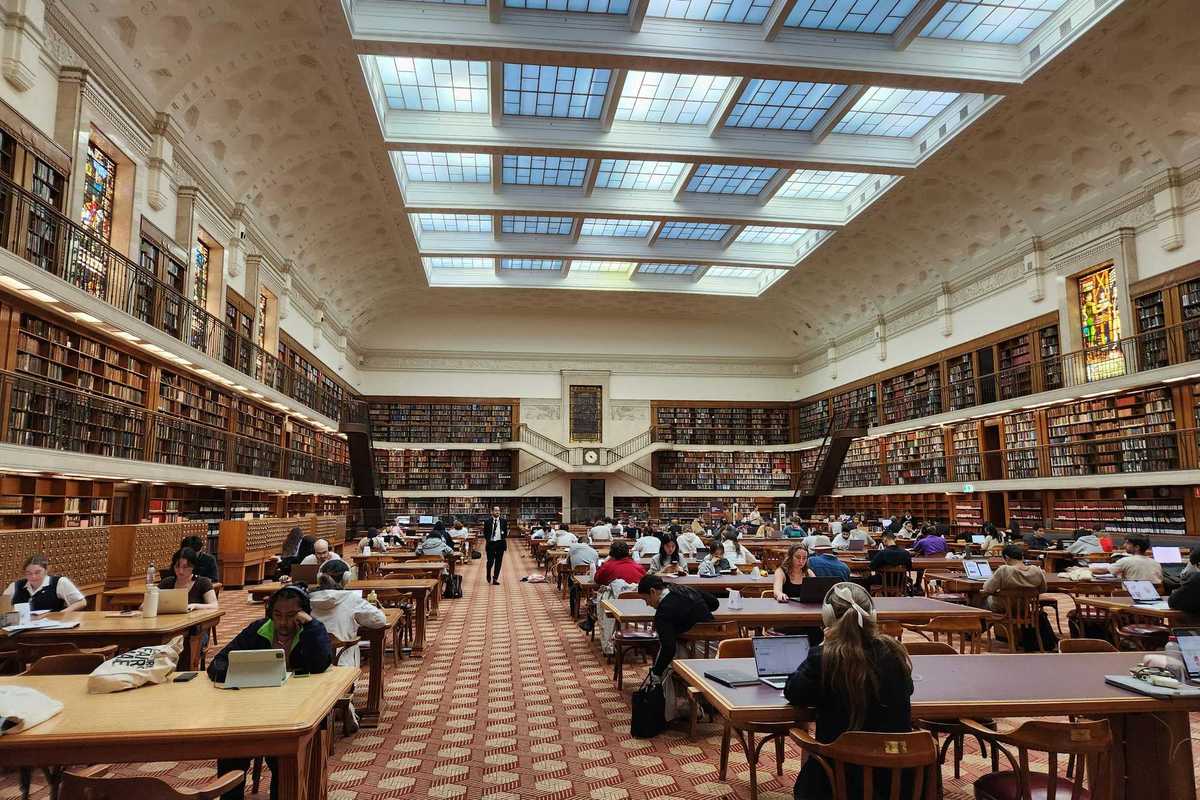
Free people require what sociologists call third spaces outside of their homes and workplaces. Third spaces are where people can gather, build relationships with each other, develop cooperative goals and interests, share and vet information, and build skills necessary for leadership, collaboration, and accomplishment. America used to have many such spaces. After the Civil War, Americans of all kinds, often led by newly free Black people, began busily building civic and mutual aid organizations across the United States. These organizations were usually segregated by race and sex, but they were integrated across class and proliferate. From mother’s clubs to Elks’ lodges and unions to mutual insurance agencies, the period from the 1880s to the 1920s was one of dynamic civic cultivation. By the middle of the 20th century, most Americans belonged to a federated organization, and there were dozens of organizations that boasted memberships that equaled 1% or more of the American population. These groups spread through local chapters connected to national structures, expanding their reach.
Scaling Up Local Engagement
These civic groups were not professionally managed, donor-funded advocacy organizations; that form did not come to dominate civil society until the late 1960s. Instead, these were federated “translocal” associations that were rooted in local communities and bonded to them through membership, regular gatherings, and direct service but still connected across, state, regional, and national levels. Indeed, some groups even boasted international presence. Federated assemblages were primarily powered by dues, not donors, so they required broad-based, committed support. They were run on a mostly volunteer basis by people who acquired the knowledge and skills they needed through the process of working with and for their communities. It was through these civic third spaces that large swaths of the American public were able to develop and affirm shared values and nurture the skills, connections, and solidarity that allowed them to set ambitious agendas for both local service and advocacy for public social programs at the municipal, state, and national levels.
If not for the robust civil society infrastructure that existed, the New Deal, which is often lauded as being the result of President Roosevelt’s energetic leadership, would not have been possible. And the social movements of the middle 20th century could not have been as effective. Indeed, the largest translocal federated groups—like the Fraternal Order of the Eagles (of which FDR was a member), the Grange, the Prince Hall Masons, the General Federation of Women’s Clubs, and the National Association of Colored Women—worked tirelessly for a diverse array of programs that both set the agenda and charted the landscape of political possibility for the 20th century. Many advocated for social insurance, national education programs, anti-lynching, Veteran’s benefits, and diverse workforce opportunities for Americans. These institutions provided meeting places, civic education, skill building, and community for their members. Public education was organized and new constituencies and new voters were mobilized. Translocal civic organizations were spaces where people learned that they could do things together, and that they could solve problems by coordinating with their fellows while also demanding accountability from their governors. The people within these organizations built social capital and political efficacy, which became the scaffolding for the new world they were ushering into existence. The people also learned that when they organized for fun and common purpose, they became the engines of democracy. This rich landscape of civic association was a crucial background condition for building modern America, the incarnation of the republic that came closest to egalitarian democracy. The vision, which is now at grave risk.
Americans Want to Engage
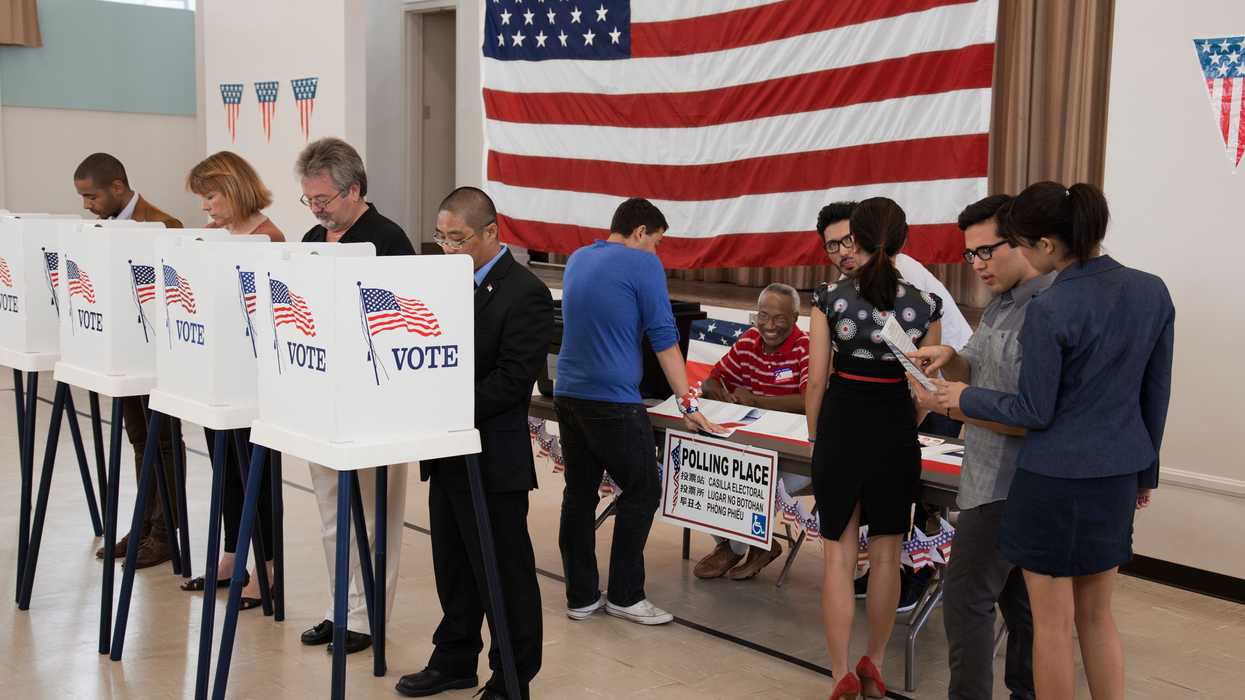
Today, while about a third of Americans volunteer time to improve their community in some way, only 6% reported belonging to “a business or civic group such as such as Rotary, League of Women Voters, Masons, or Junior League,” suggesting a decline in spaces that can serve the relational and skill-building functions required for democratic sustenance. According to Kettering and Gallup’s recent Democracy for All Project survey, those who participate in the civic lives of their communities are also more likely to affirm democratic values, believe ordinary people can create change through a myriad of activities, and be registered to vote.
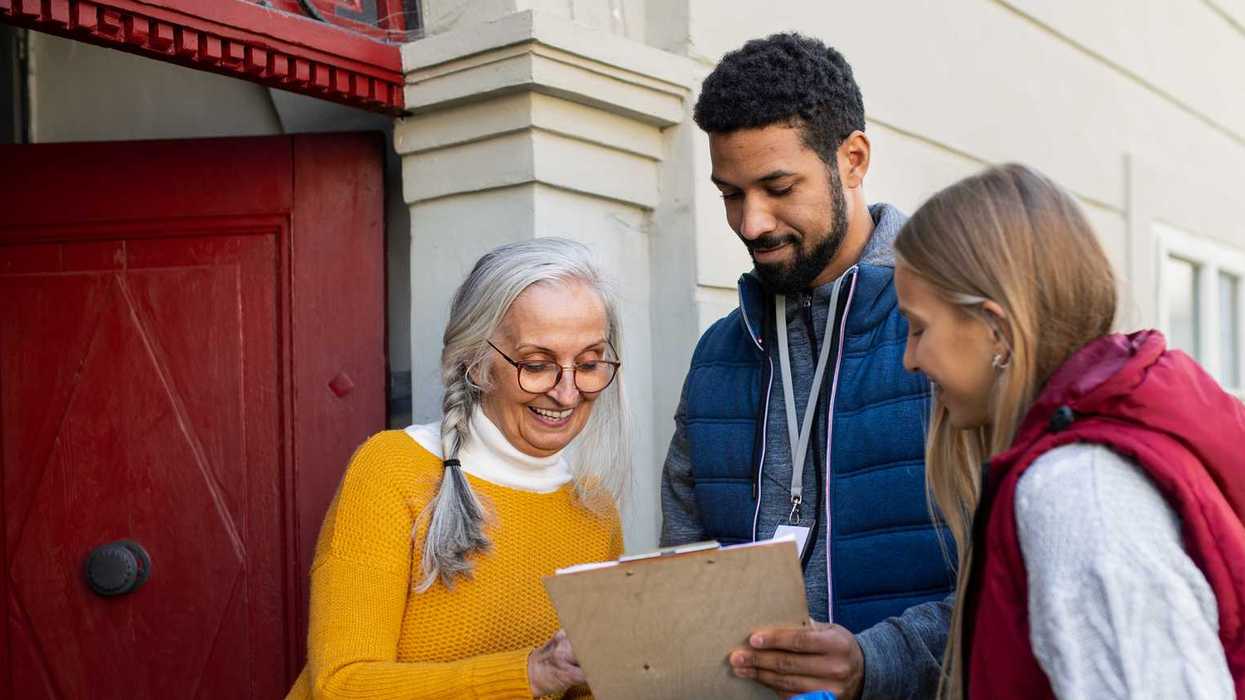
However, a crucial finding in the Kettering-Gallup poll does point toward a solution. While about 33% of people are community participators, an additional 30% say that they wish they could be. There is a lot of latent desire for the kind of community connection that makes democracy both possible and strong. When asked what keeps them from being as involved in civic life as they want to be, 47% of respondents indicate lack of time due to work and family obligations. What you might not expect is that the next most common barriers are not being invited to participate (43%) or not being shown where and how to get involved (42%).
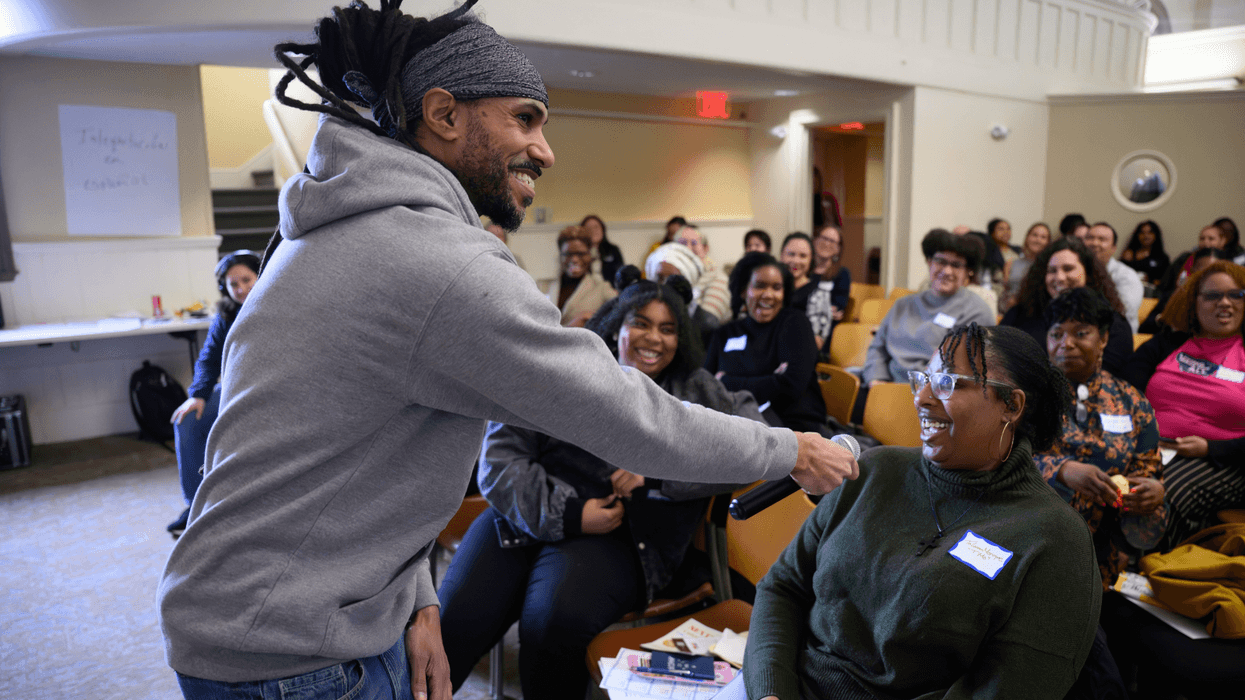
In the same spirit of John Dewey and Jane Addams’ famous quote, “The cure for the ills of democracy is more democracy,” I submit that the cure for the ills of a civil society in decline is the robust invitation to reinvigorate our social, civic, and political connections through third-space, translocal associations that do more than politics. Such spaces can join us together in and beyond our neighborhoods and help to make both the tough work and considerable pleasures of collective self-rule actual, in small and large ways.
Democracy Depends on What We Do Together
The freedom that Americans laud—right now, everywhere—is not the automatic inheritance of any people. Instead, it is established in our practices of meeting one another where we are and deciding that we can, that we must, and that we will decide our fates together. The cultivation of this kind of freedom is not primarily accomplished in heroic displays on battlefields or through triumphs in the courts nor even in landslide victories on election day. Any of these things may be necessary but none are sufficient on their own. People must come together, deciding that they care for one another and will fight to secure each other’s liberty on equal terms. This kind of togetherness and resolve used to be called civic virtue, but such virtue is not merely the result of individual characters. Civic virtue is brought forth through the collective practices, institutions, routines, and rituals that we keep and which bring us together across differences to do things for ourselves and one another. This is the ground upon which a republic is built and maintained, and it is the space that it is essential to reinvent and reinvigorate now. It is the only way we will be able to continue to answer Franklin’s muttered charge in the affirmative: “Yes, sir, as for the republic, we the people intend to keep it.”
This article was originally published as part of From Many, We, a Charles F. Kettering Foundation blog series that highlights the insights of thought leaders dedicated to the idea of inclusive democracy.
Deva Woodly is professor of political science at Brown University and a Charles F. Kettering Foundation research fellow.








The President Invited Iran to Bomb My Home