



Last month, the Department of Justice initiated a baseless lawsuit against the Southern Poverty Law Center (SPLC). This retributive action, like the previous frivolous actions brought against other individuals and organizations who defend the rule of law and judicial administration, is not only meritless, but is primarily intended to harass, intimidate, and render dysfunctional an organization that is interfering with the administration’s goal of fomenting hate and perpetuating its ethnic cleansing agenda of America.
Letitia James, James Comey, Mark Kelly, Jerome Powell, Minnesota Democrats, protesters at Cities Church in St. Paul, Minnesota, former military intelligence community lawmakers, John Bolton, Adam Schiff, John Brennan, Congressional Representative Lamonica McIver, Newark, New Jersey Mayor Ras Baraka, and fifteen law firms have been previous targets of such fabricated claims. The Department of Justice (DOJ), which has posted the worst success rate in the country's history, has been plagued by significant corruption and politicization, undermining its independence and integrity. It has shut down departments previously focused on enforcing the civil rights laws, national security, corruption, ethics, money laundering, and terrorism in order to focus on deportations of non-criminals, dismantling civil rights, and harassing the administration’s enemies. There have been forced resignations of prosecutors who resisted political pressure, indicating a shift towards loyalty over legal judgment. Disciplinary actions against judges and prosecutors who criticize the executive have become commonplace. Attacks on judges, even those appointed by the president, who follow the law rather than the president’s illegal policies, are routine. The DOJ's internal oversight and ethics capacity have been weakened, raising concerns about the rule of law and the Department’s abuse of justice.
In addition, the administration has declared war on people of color, having invaded urban areas of Los Angeles, Portland, Chicago, and Minneapolis-St. Paul. ICE has systematically, illegally, and violently detained and deported people whom they determined were immigrants and not entitled to stay in the United States. ICE’s efforts were so inept that they detained and deported citizens, legal residents, Native Americans, and others based on amateurish racial profiling, regardless of whether someone had tattoos and/or accents alone. ICE and DHS intentionally did this without regard to the individual rights guaranteed under the US Constitution, which explicitly states that all persons are entitled to counsel and due process. In addition, the president pardoned 1600 January 6 rioters, including members of the Proud Boys and other avowed white supremacists, who then brought a $100M lawsuit against the United States Government with support from the administration.
It is clear that the administration’s concept of justice has no relationship to Justice for All as articulated in the Pledge of Allegiance. The administration is pursuing an agenda of white supremacy at the expense of all others.
One of the bulwarks against this vile hatred and supremacist agenda has been the Southern Poverty Law Center. It is an organization based in Montgomery, Alabama, which has steadfastly focused on strengthening democracy and voting rights, which this administration persistently seeks to undermine. The people of the SPLC, also at significant risk to their lives and livelihoods, monitor white supremacist organizations and related activities, exposing hate, extremism, and countering disinformation and conspiracy theories with grounded research and intimate community knowledge. Their other projects include addressing unjust imprisonment and eliminating poverty and economic inequality.
The SPLC agenda is antithetical to the administration’s agenda, which announced its intention to spend $38.3 billion to turn warehouses into 21st-century versions of WWII Japanese detainment camps to hold nearly 100,000 people and is committed to deporting one million people a year, without regard to the merits of their right to live in America. Since, the Administration is unable to justify their expulsions under law, they have sought to destroy the system by firing immigration judges who follow the law, separating children from their families in an effort to make their lives so miserable that the families self deport; repealing naturalized citizenship status, despite the fact that such status was legally obtained and they have even tried, without merit, to unlawfully repeal the 14th Amendment to the US Constitution by executive order. Their approach is so outlandish that when asked directly, the Solicitor General could not confirm the right of Native Americans to live in the United States under the new executive order.
So why would the DOJ bring an action when it knows that it cannot obtain a conviction? Because initiating an indictment permits the Department to subpoena all the records of an organization that it despises. The DOJ can intimidate SPLC’s employees and witnesses. The investigation permits the DOJ (which has long ago abandoned confidentiality protocols) to force the organization to expend its precious 501(c)(3) funds to defend itself rather than fulfilling its mission. It also gives the DOJ the opportunity to expose the SPLC's methodologies and discredit informants within various organizations. In essence, the indictment permits the DOJ to comprehensively deconstruct the operations of the SPLC, rendering it incapable of fulfilling its mission of shining a light into the dark underworld of violent, racist, xenophobic hate groups, which the administration supports.
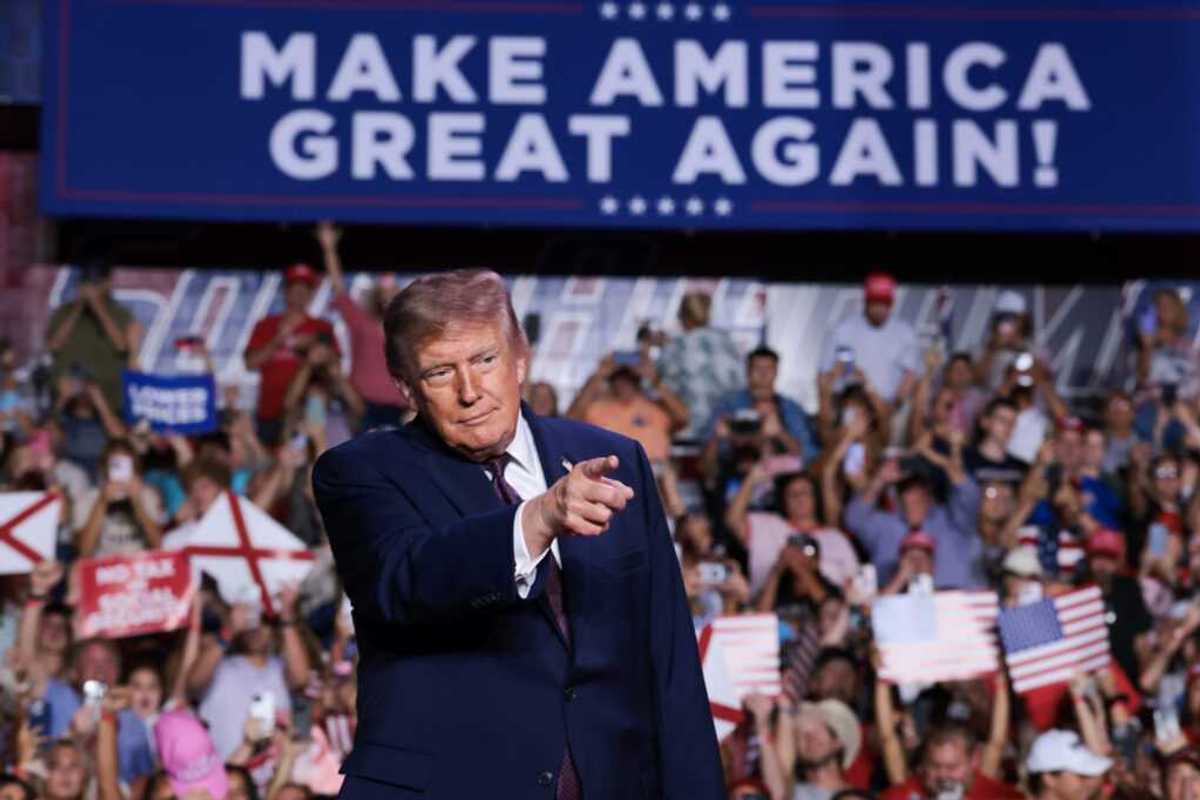
The Department of Justice is no longer about truth and justice. It is about destroying enemies of the current administration, and since that administration is populated with white supremacists committed to the development of a nation dominated by white supremacists who use their perverse version of Christianity as a weapon. Their purpose is evil and dangerous and reflects another unconstitutional abuse of the justice system. In the past, supremacists had just violent militias, and local government support. The current administration has officially handed them command of the levers of federal law enforcement. This is MAGA’s vision of Making America Great Again. It is in direct opposition to the Declaration of Independence, the Constitution, the UN Declaration of Human Rights, and any sense of decency and equality.
Walter Hiawatha White Jr. - a member of the Board of Directors of Lawyers Defending American Democracy; a founding director and later chair of the American Bar Association Center for Human Rights; past chair of the ABA Section on Civil Rights & Social Justice; a past member of the ABA board of Governors; Past Chair of the Central Asian American Enterprise Fund (appointed by President Clinton). Walter has been admitted to practice in Wisconsin, Washington, D.C., and the Qatar International Court, and has previously been registered as a foreign lawyer in both England and Wales and the Russian Federation.