Skip to content
Search

Latest Stories

Follow Us:
Top Stories

Stapleton’s Colbert Performance Shows Power of Nonpolitical Messages

Stapleton proves music can speak to America’s struggles without entering the political arena

Opinion

Stapleton’s Colbert Performance Shows Power of Nonpolitical Messages

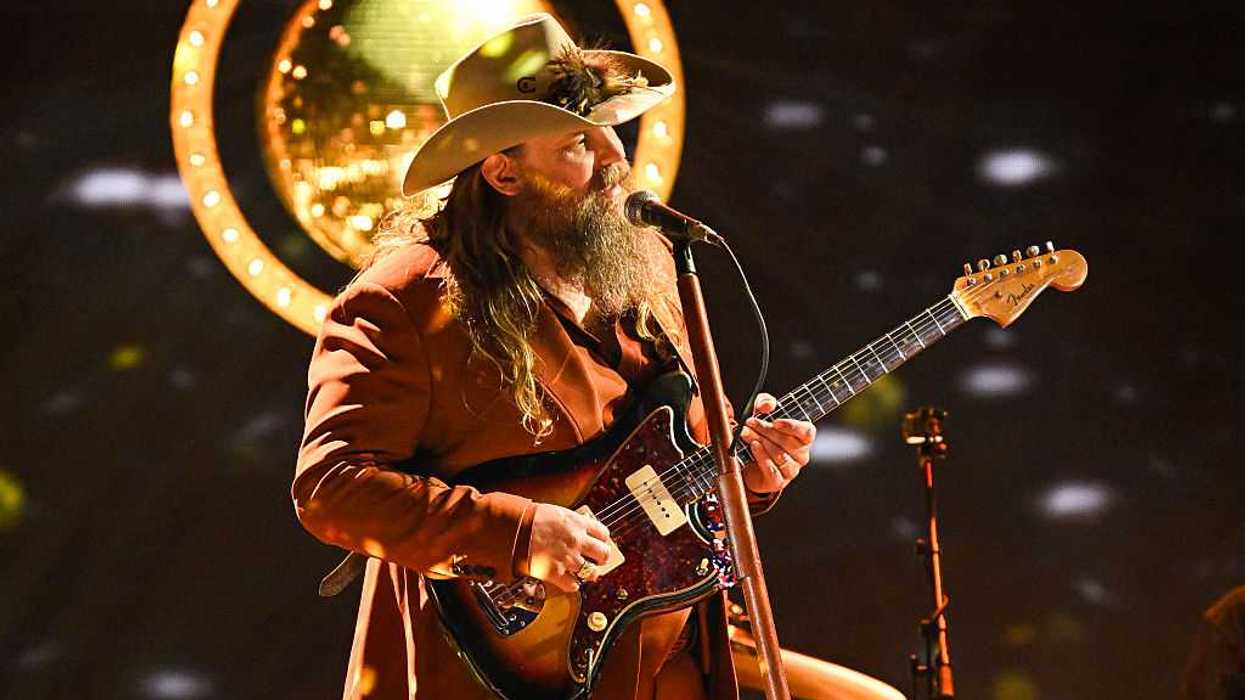
Chris Stapleton performs onstage during the 59th Annual CMA Awards at Bridgestone Arena on November 19, 2025 in Nashville, Tennessee..

(Photo by Astrida Valigorsky/WireImage)

On May 6th, I watched Chris Stapleton perform “Living in the Promiseland” on The Late Show with Stephen Colbert. The song, a Willie Nelson classic from 1985, hit me hard. Originally, Nelson released it at a time when debates about immigration and the American dream were in the headlines, and the song became an anthem of hope and inclusivity. These days, almost everything gets viewed through a political lens, but the song’s opening lines felt powerful without being political:

Give us your tired and weak, and we will make them strong
Bring us your foreign songs, and we will sing along
Leave us your broken dreams, we'll give them time to mend
There's still a lot of love living in the promised land


Our dreams are made of steel
The prayer of every man is to know how freedom feels
There is a winding road across the shifting sand
And room for everyone living in the promiseland

So they came from a distant isle
Nameless woman, faithless child, like a bad dream
Until there was no room at all
No place to run and no place to fall

Was Stapleton just singing a song he loves, or was he making a political statement, or maybe something in between? In an interview, Stapleton explained that he chose to cover "Living in the Promiseland" because he feels the song "speaks to the heart of what America strives to be—welcoming, inclusive, and compassionate." He added, "Music has a way of reaching people regardless of the noise around them, and this song is about hope." I think his approach lands somewhere in the middle: personal, values-driven, but not overtly political.

In a 2024 interview with The Guardian, Stapleton expressed his discomfort with celebrities wading directly into politics: “I’m not saying celebrities shouldn’t endorse people — that’s American. I also think the right to keep that private, and the right to let politicians be politicians, to let people make their own choices based on what politicians say and do … that’s American, too.”

That feeling sums up Stapleton’s unique style. While artists like Bruce Springsteen, Jason Aldean, and Taylor Swift sometimes make politics part of their public image, Stapleton focuses on values instead of politicians. He sings about fairness, empathy, and the real lives of working-class Americans. His “Promiseland” performance shows this well: it’s moving, caring, socially aware, but not political.

Stapleton doesn’t endorse candidates, rarely talks about elections, and often says he wants his music to speak for itself. Even when he addresses social issues, like supporting Black Lives Matter in 2020 or talking about gun violence in “Watch You Burn,” he does it without linking his message to any politician or party. In contrast, Springsteen is open about his politics, Aldean connects with a conservative audience, and Swift is clear about her advocacy and efforts to get people to vote.

Stapleton is different. His songs have a strong moral message, but he avoids the political spotlight that often comes with them. Basically, he’s saying: I’ll talk about people, pain, and America, but not about politicians.

When Stapleton sang the final verse on Colbert’s stage, the strength of his approach was clear:

Give us our daily bread, we have no shoes to wear
No place to call our home, only this cross to bear
We are the multitudes, lend us a helping hand
Is there no love anymore living in the promised land?

Living in the promiseland

Our dreams are made of steel

The prayer of every man is to know how freedom feels

There is a winding road across the shifting sand

And room for everyone living in the promiseland

This was a reminder that artists can share powerful social messages without getting involved in politics.

It also showed that artists don’t need to pick sides to say something important. Sometimes a message matters not because it’s debated, but because it’s felt.

You can watch the full performance and decide for yourself:

- YouTube www.youtube.com

David Nevins is the publisher of The Fulcrum and co-founder and board chairman of the Bridge Alliance Education Fund.
Read More

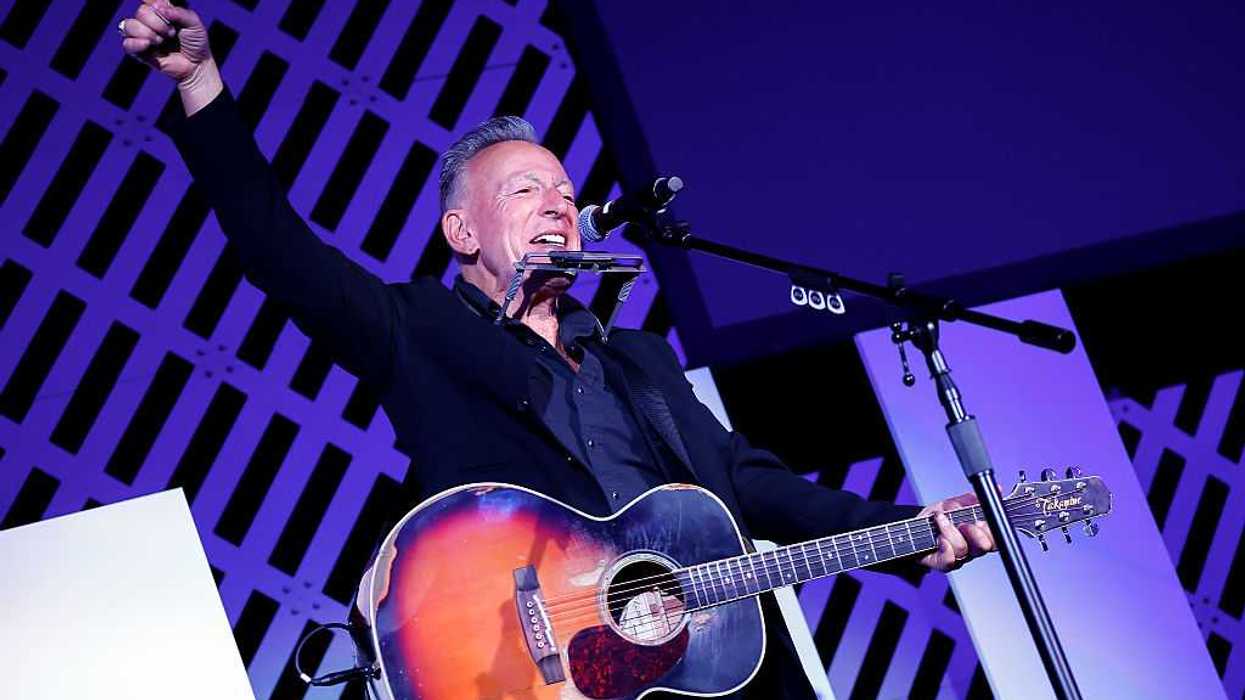
​Bruce Springsteen on stage, holding a microphone in one hand and a sign that reads, "No Kings," in the other hand.

Bruce Springsteen & The E Street Band perform during Land of Hope & Dreams American Tour at Target Center on March 31, 2026 in Minneapolis, Minnesota.

Getty Images,

It’s All About Soul — And the Future of American Democracy

American democracy is experiencing an unparalleled stress test. The headlines churn, the rhetoric hardens, and the daily spectacle can make it feel as if the country is losing its footing. The deeper danger, many observers note, isn’t simply that a political figure says outrageous things — it’s that the public grows accustomed to them. When shock becomes routine, the unacceptable becomes normalized. And once that happens, the standards that define who we are as a nation begin to erode.

When we get used to being shocked, things that should be unacceptable start to seem normal. When that happens, the values that shape our nation begin to fade.

Keep Reading Show less
Bruce Springsteen Launches Protest Tour as Warning for American Democracy

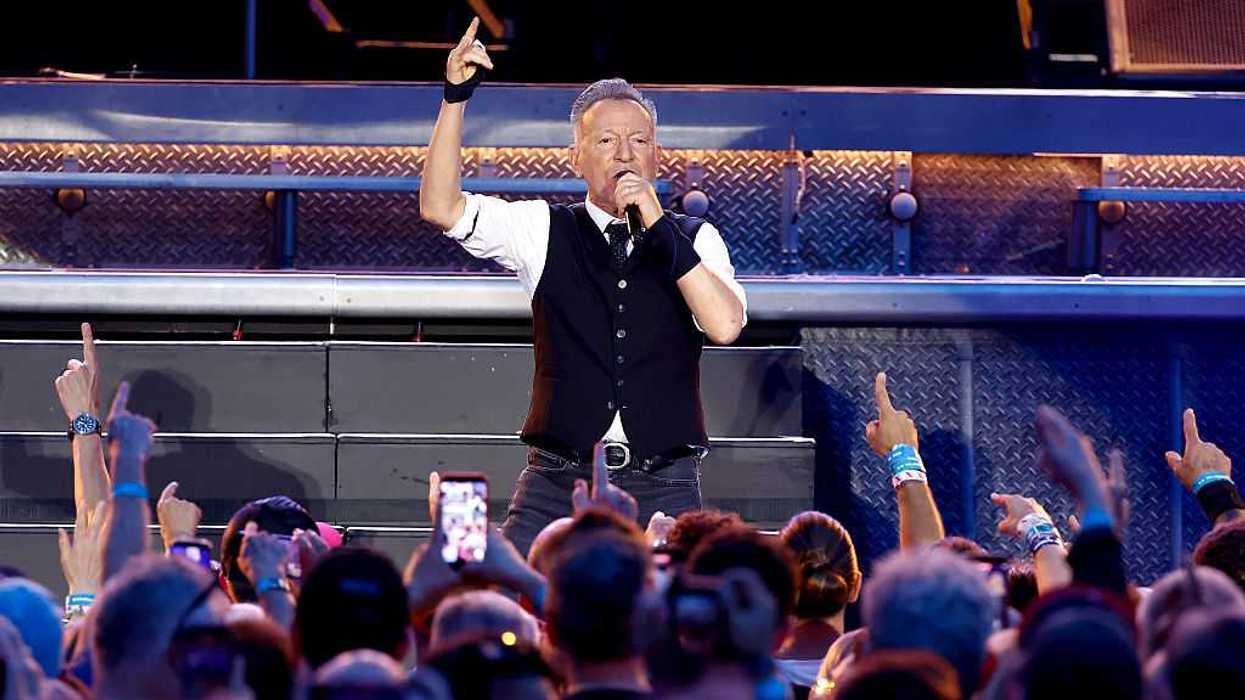
Bruce Springsteen performs during the "No Kings" Rally Concert at the Minnesota State Capitol on March 28, 2026 in Minneapolis, Minnesota.

(Photo by Astrida Valigorsky/Getty Images)

Bruce Springsteen Launches Protest Tour as Warning for American Democracy

When Bruce Springsteen spoke out from a Manchester stage in May 2025, many saw it as just another celebrity taking a political swipe. It was anything but. What happened that night and in the weeks that followed now looks less like a moment and more like the opening chapter of something broader. Springsteen wasn't merely criticizing a president; he was diagnosing a democracy in distress.

Now, with the announcement of his upcoming protest tour, he is making that diagnosis impossible to ignore. The protest tour is not just a series of concerts; it is a call to action. By combining music with onstage discussions and inviting local community leaders to each event, Springsteen hopes to inspire citizens to reengage with democratic values and speak out against rising authoritarianism. The tour aims to create spaces where attendees can learn practical ways to get involved, register to vote, and connect with others who care about defending democracy. In short, Springsteen's goal is to transform audience members from bystanders into participants in preserving our republic.

Keep Reading Show less
Strange Days Indeed: Why ‘Nobody Told Me’ Echoes America Today

Political Polarization and Extremism

Getty Images

Strange Days Indeed: Why ‘Nobody Told Me’ Echoes America Today

I was driving in my car the other day when a familiar song from my youth came on the radio. The opening line of John Lennon’s “Nobody Told Me” immediately hit me with unexpected force . A song I loved fifty years ago suddenly felt like it was written for this very moment.

Nobody told me there’d be days like these. Strange days indeed.

Keep Reading Show less
Jennifer Lawrence speaks during the "Die My Love" press conference at the 78th annual Cannes Film Festival at Palais des Festivals on May 18, 2025 in Cannes, France.

Jennifer Lawrence questions whether celebrity activism still matters in politics. As the 2026 midterms approach, explore the decline of celebrity endorsements, rising polarization, and the evolving role of pop culture in shaping voter behavior.

Getty Images, Pool

Jennifer Lawrence Questions Whether Stars Still Influence Politics

Eight months before the 2026 midterms, one of Hollywood’s most recognizable figures has offered a blunt assessment of her industry’s political influence. Jennifer Lawrence, known for speaking out on issues from gender equality to democratic norms, now questions whether celebrity activism has any real impact.

In a recent interview, Lawrence stated that “celebrities do not make a difference whatsoever in who people vote for.” This is notable both because of her prominence and because it comes at a time when American politics is deeply intertwined with culture and entertainment. She described the Trump era as a time when she felt she was “running around like a chicken with my head cut off,” trying to use her platform to sound alarms. But after years of backlash, polarization, and the sense that celebrity statements only “add fuel to a fire that’s ripping the country apart,” she’s questioning the value of speaking out.

Keep Reading Show less