

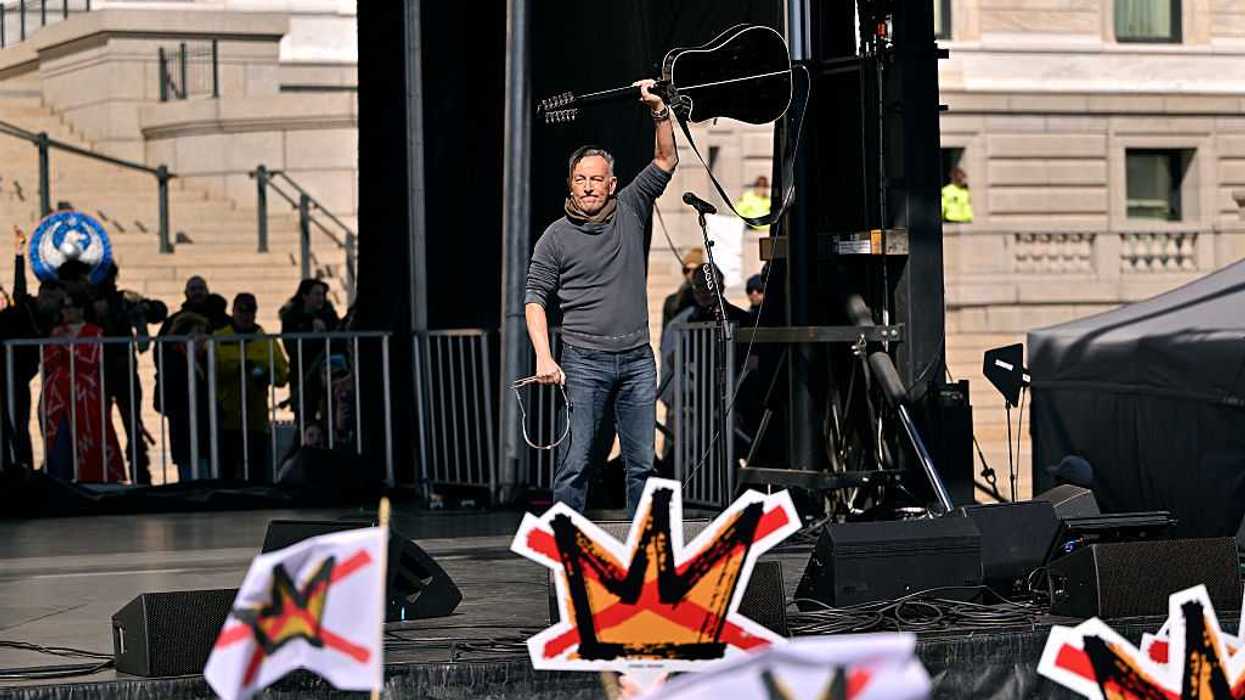
When Bruce Springsteen spoke out from a Manchester stage in May 2025, many saw it as just another celebrity taking a political swipe. It was anything but. What happened that night and in the weeks that followed now looks less like a moment and more like the opening chapter of something broader. Springsteen wasn't merely criticizing a president; he was diagnosing a democracy in distress.
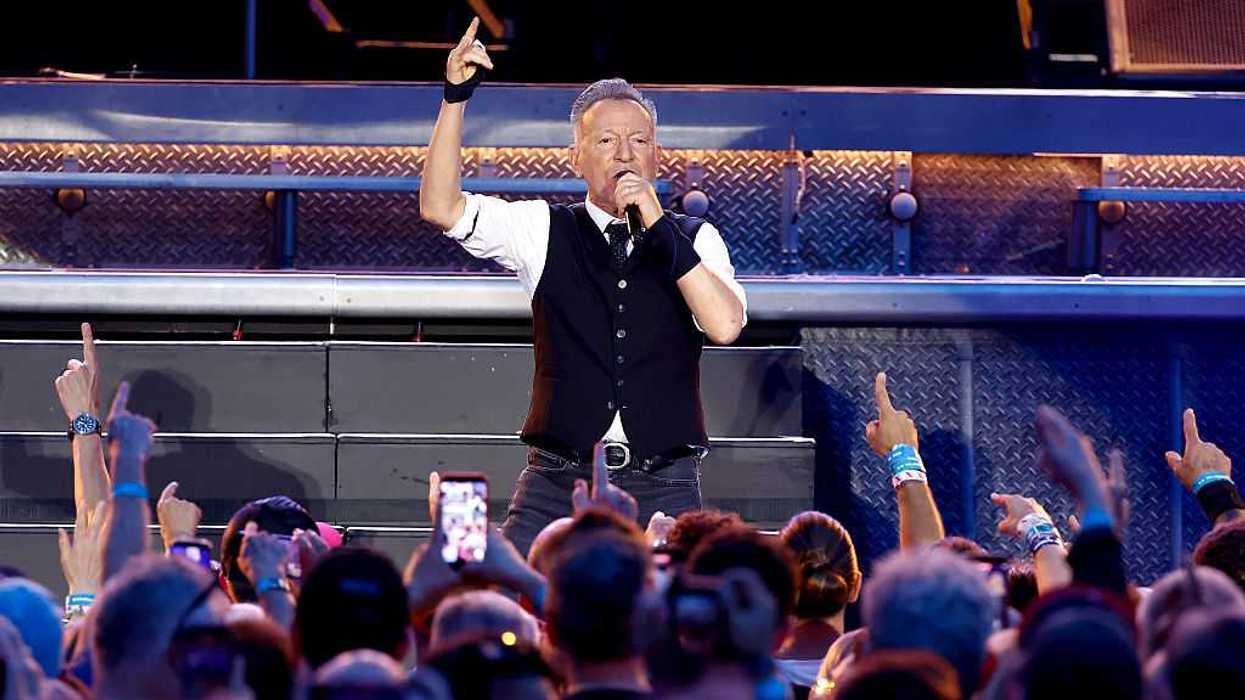
Now, with the announcement of his upcoming protest tour, he is making that diagnosis impossible to ignore. The protest tour is not just a series of concerts; it is a call to action. By combining music with onstage discussions and inviting local community leaders to each event, Springsteen hopes to inspire citizens to reengage with democratic values and speak out against rising authoritarianism. The tour aims to create spaces where attendees can learn practical ways to get involved, register to vote, and connect with others who care about defending democracy. In short, Springsteen's goal is to transform audience members from bystanders into participants in preserving our republic.
A Year Ago, the Alarm Bell Rang
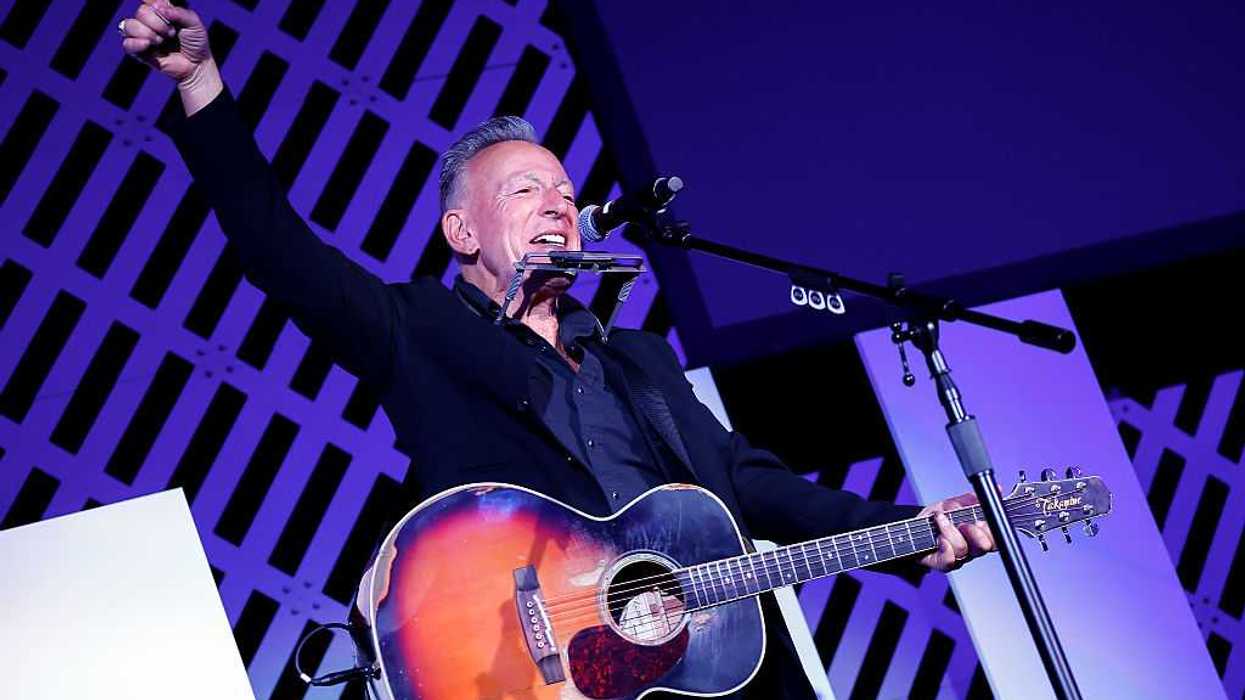
During his Land of Hope and Dreams tour in Europe, Springsteen did what artists in free societies have always done: he told the truth as he saw it. In Manchester, he called the Trump administration “corrupt, incompetent, and treasonous,” urging the crowd to stand against authoritarianism. But it was his introduction to My City of Ruins that cut deepest:
“There’s some very weird, strange, and dangerous shit going on out there right now… In America, they are persecuting people for using their right to free speech and voicing their dissent. This is happening now.”
He spoke of the richest men abandoning the world’s poorest children, of democratic norms being shredded in real time. The audience cheered not because they agreed with every word, but because they recognized the urgency behind them.
The response from President Trump was quick and familiar: personal insults, conspiracy theories, and baseless accusations — including the claim that Springsteen, Beyoncé, and Bono had been secretly paid by Kamala Harris during the 2024 campaign. It was a textbook attempt to delegitimize dissent.
That pattern repeated itself in the immediate aftermath of his nationally televised remarks on Iran. At a moment when most presidents would remain focused on global stakes, Trump instead took to social media to unleash a personal tirade against Springsteen, calling him “a dried‑up prune,” “a loser,” and urging MAGA supporters to boycott his concerts. It is hard to imagine a clearer illustration of misplaced priorities: with international tensions high and domestic challenges mounting, the president still could not resist venting his anger at an artist who is exercising his 1st amendment right by urging Americans to defend democratic norms. The pettiness of the attack only reinforces the very warnings Springsteen has been sounding for more than a year.
But Springsteen didn’t back down. He repeated his warnings across Europe, night after night, city after city. He was not performing politics; he was fulfilling civic duty.
Now, the Warning Becomes a Tour
Springsteen's tour continues a long American tradition in which artists step forward when political leaders step back from democratic standards.
Springsteen is not alone in this lineage. He stands with:
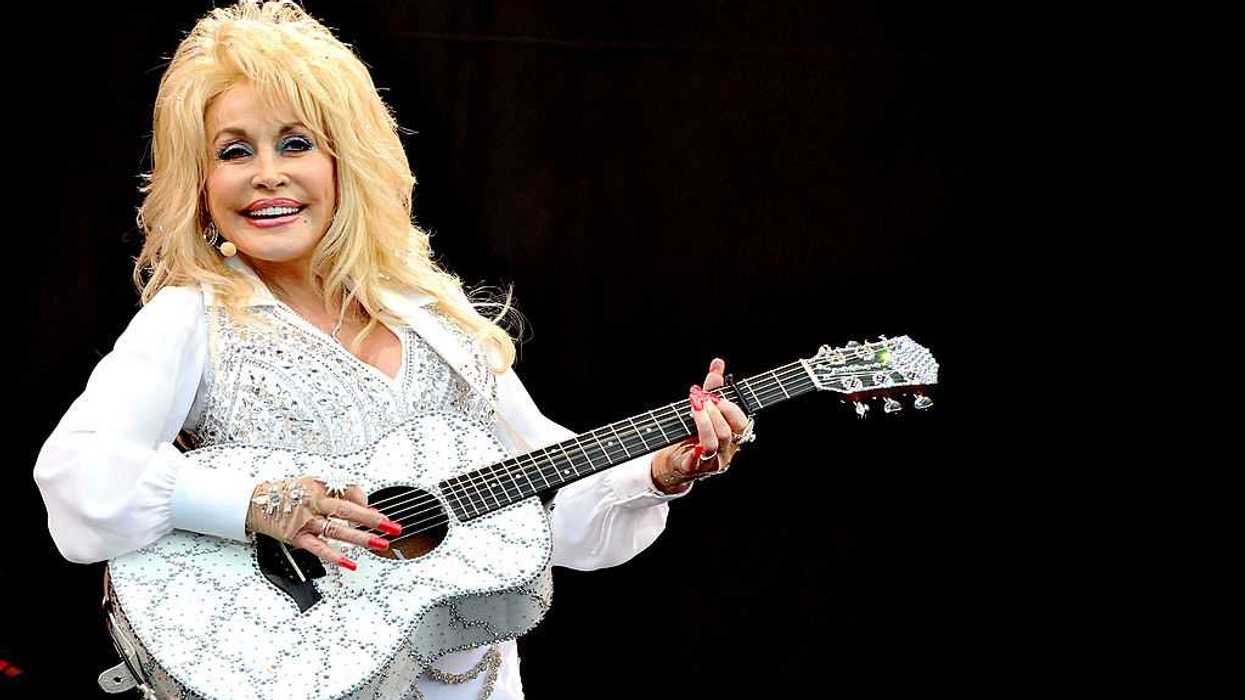
- Theatre that confronted racism in Show Boat, war in Hair, and the meaning of America in Hamilton
- Musicians like Dylan, Simone, and Public Enemy, who turned songs into shields for the vulnerable
- Artists from the Harlem Renaissance to contemporary street muralists who refuse to let injustice go unchallenged
At times of democratic strain, the arts have always been the country’s early warning system. They tell us when something is breaking long before politicians admit it.
Springsteen’s protest tour is that warning — delivered with a Telecaster.
Why Artists Matter Now
In my earlier writing, I warned that democratic erosion today doesn’t arrive with dramatic ruptures. It arrives with shrugs, with citizens numbed into silence while the guardrails of democracy weaken one by one. That is why Springsteen’s protest tour matters. He is challenging the culture of resignation that authoritarians count on. Not because he is a rock star, but because he understands that the survival of a republic depends on ordinary people refusing to be quiet when it matters most.
In 19In 1985, We Are the World and Live Aid showed how artists could mobilize millions to confront human suffering. Today, the suffering is political, a slow erosion of the norms that protect our freedoms. It is a modern call for democracy, not as a partisan anthem but as a civic one. Pop, country, hip‑hop, rock — artists across genres raising their voices not for a candidate but for the basic idea that every American should have the right to determine their own destiny.
Springsteen’s tour could be the spark.
The America He Loves — and Fears Losing
Last year, in England, Springsteen offered a simple but deep reminder:
“In my home, the America I love… is currently in the hands of a corrupt, incompetent, and treasonous administration. Tonight, we ask all who believe in democracy and the best of our American experiment to rise with us, raise your voices against authoritarianism, and let freedom ring.”
He wasn’t speaking to Democrats or Republicans. He was speaking to citizens.
That is the point of this new tour. It is not about left or right. It is about whether we rise to defend the republic or sink into the cynicism that authoritarians rely on.
A Call to the Rest of Us
Springsteen is doing what artists have always done in times of democratic peril: refusing to be silent. The question now is whether the rest of us will do the same.
So let us borrow once more from Hamilton — not as theatre, but as civic instruction:
Raise a glass to freedom, something they can never take away — no matter what they tell you.
Springsteen is raising his voice.
His tour invites us to raise ours.






The President Invited Iran to Bomb My Home