Nevins is co-publisher of The Fulcrum and co-founder and board chairman of the Bridge Alliance Education Fund.
Cape May, a town like so many across the nation, celebrated July Fourth with the usual parades, picnics and fireworks.
This southern New Jersey town, considered the oldest seacoast resort town in the United States, was packed with visitors enjoying the holiday weekend. As the sun set, boats anchored off the coast and families and friends packed the beaches and boardwalk to enjoy the traditional fireworks and festivities.
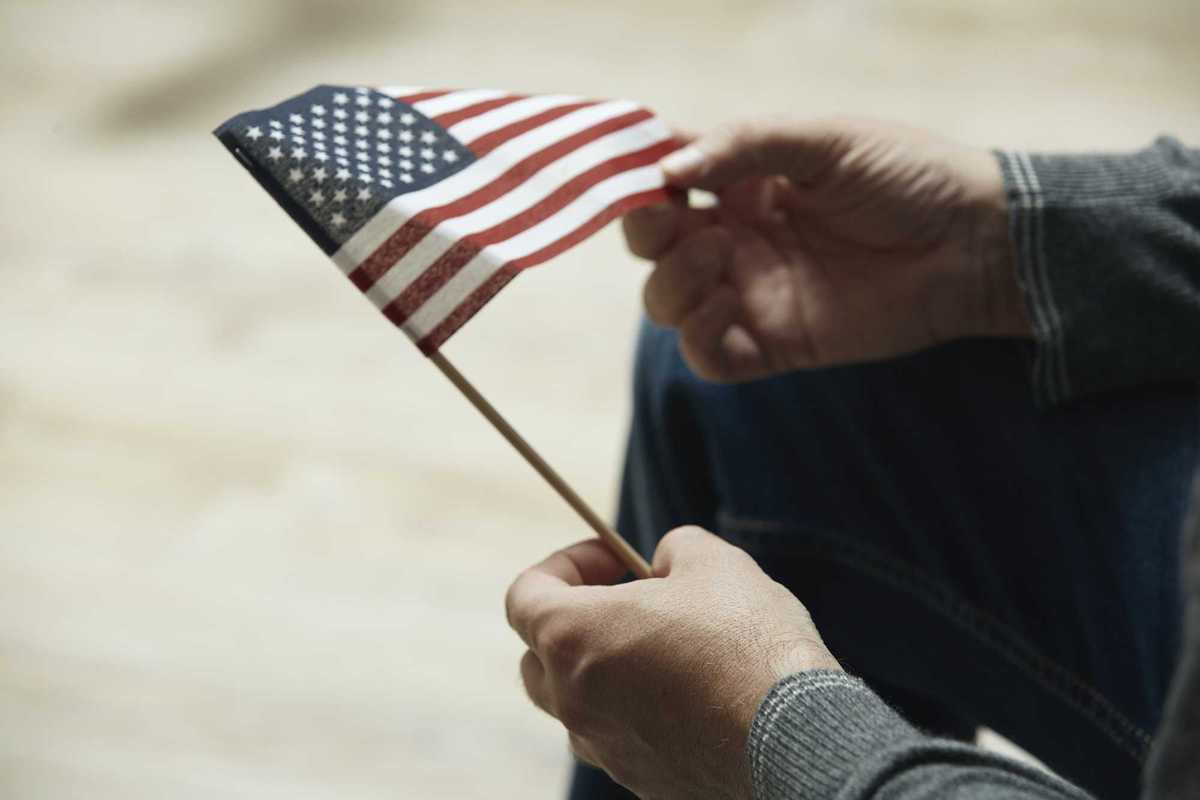
It was true Americana. As I watched and listened, I couldn’t help but reflect on the display of patriotism in the red, white and blue Uncle Sam costumes, the flags, the music, and the fireworks, especially given the complex times we are living in.
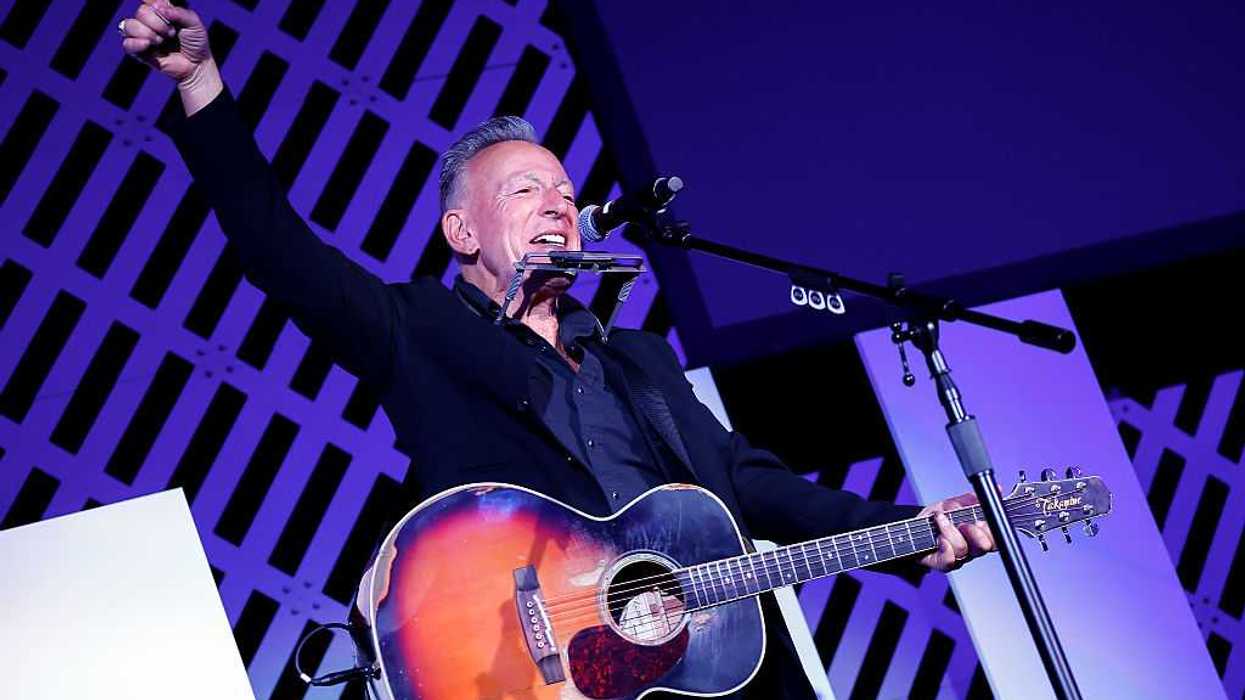
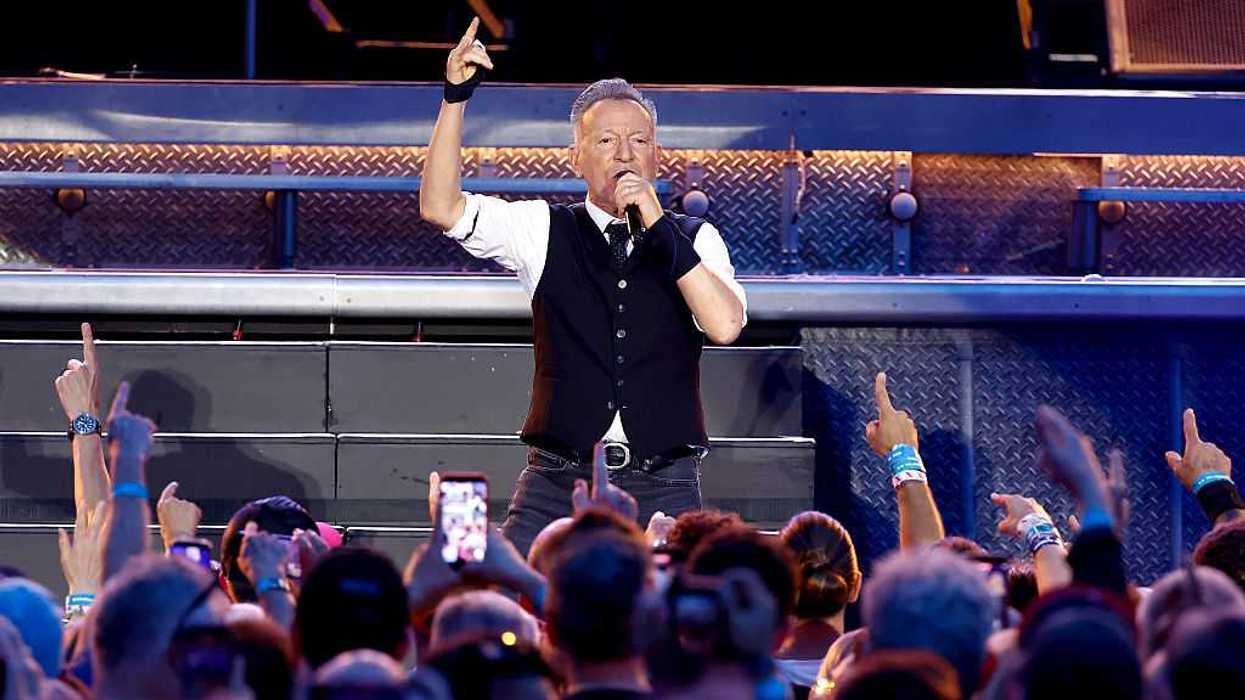
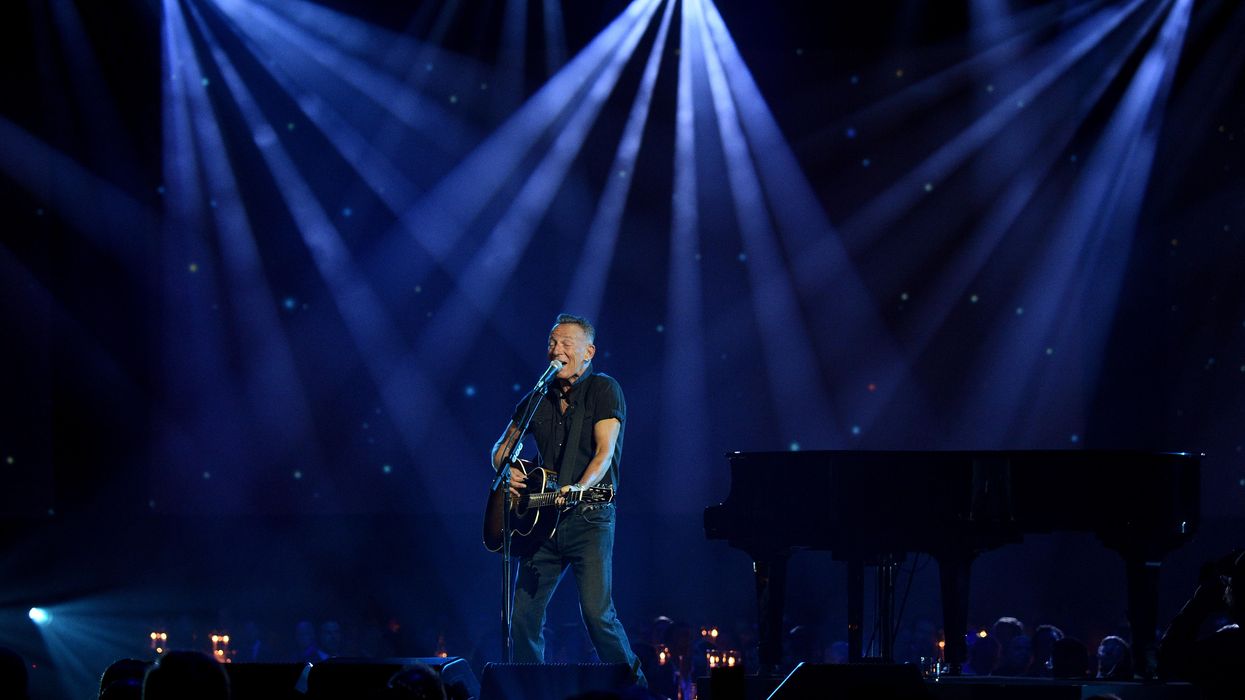
Sitting on the boardwalk with my wife, we took it all in as we listened to a tribute band play the greatest of Bruce Springsteen’s hits on a terrace overlooking the beach.
And of course, the favorite that brought the crowd to its feet, singing the refrain “Born in the USA.” over and over again. Springsteen’s classic hit is a July Fourth classic, a patriotic rock song with the repeated refrain:
Born in the U.S.A., I was born in the USA.
Born in the USA, I'm a long gone daddy in the USA.
Born in the USA., born in the USA.
Born in the USA, I'm a cool rocking daddy in the USA.
But as I listened closer, I realized that the song, like so much in America, is more complex and not all about simple patriotism.
In fact, the song, written in the Vietnam era, is explicitly an anti-war song and Springsteen drives the point across while still expressing the pride of being Born in the USA
Come back home to the refinery
Hiring man said "son if it was up to me"
Went down to see my V.A. man
He said "son, don't you understand"
I had a brother at Khe Sahn
Fighting off the Viet Cong
They're still there, he's all gone
When asked about his music and the theme of patriotism in so many of his songs, the Boss said in 2012:
"There is a real patriotism underneath the best of my music but it is a critical, questioning and often angry patriotism."
The crowd sang, embracing the evening; feeling the joy and love they have for family and friends, not dwelling on the complexities that form America. They wanted to have some fun. They wanted to save the analysis, the questioning, the endless talking past each other and the tribalism for another day. We need more joyful time with each other, without denying we have work to do.
Just hours before this celebration, there was another mass killing in Illinois that couldn’t dampen the reveler’s spirits, nor could $5-a-gallon gasoline, high food prices or other inflation.
A nation divided about so much just wanted the jubilation of being Born in the USA.
But in this time when so much is dividing us, wouldn't it be great if our nation on a daily basis the human connection that we exhibit on national holidays? A citizen connection starts with listening; listen to the many stories we each have about life in America. As we listen to each other’s stories, our imagination and empathy can lead us in a new direction; a direction of united action to meet the problems facing us. I know there is a genuine longing to come together and a longing for Big Ideas to move us forward.
Springsteen longed for this connection in his song “We Take Care of Our Own.”
I’ve been knocking on the door that holds the throne
I’ve been looking for the map that leads me home
I’ve been stumbling on good hearts turned to stone
The road of good intentions has gone dry as bone
We take care of our own
We take care of our own
Wherever this flag’s flown
We take care of our own
But do we? Do we take care of our own? That is the test facing our nation. I have both a sense of concern and a sense of hope. Concern that our leadership in Washington lacks both the civility and the critical thinking needed to address the great problems facing our country. And hope because millions of Americans are taking care of fellow Americans and doing the hard work in the trenches.
Since Congress seems unable or unwilling to address our national issues that leaves us, the citizens, to do the job. Through our local communities, nonprofit organizations and businesses, it’s up to us. And there are thousands, maybe tens of thousands, of opportunities to be involved and make a positive difference.
Next July Fourth, and for many July Fourth to come, let's sing together “Born in the USA” while “We Take Care of Our Own.”