


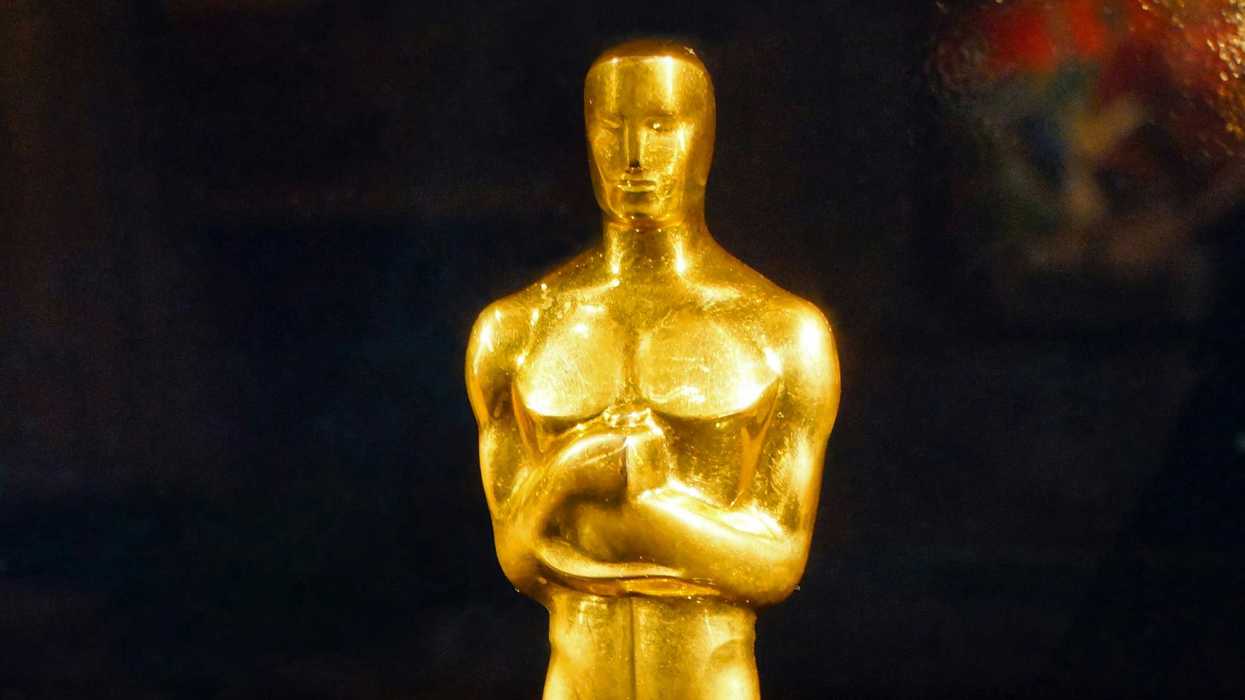

On Sunday night, millions of Americans will watch the Academy Awards. They may tune in for the red carpet, Conan O'Brien’s jokes, or the live performance of the hit song “Golden.”
But behind the glitz and glamour, the Oscars have a bigger lesson to teach – how changing the way we vote can improve our democracy.
Since 2009, the Oscars have used ranked choice voting to choose the Best Picture winner. Ranked choice voting ensures the winner has support from a majority of voters – simply by letting voters rank their favorite films.
With ranked choice voting, voters rank as many options (in this case, movies) as they want. They rank their favorite movie Number One, their second favorite Number Two, and so on. If no movie earns a majority of voters’ first choices, the movie with the fewest votes is eliminated. If a voter ranked that movie first, their vote now counts for their next choice. The process repeats until one movie wins with a majority.
This means voters don’t have to worry about “wasting” their vote on a long shot. F1 fans may know their favorite doesn’t stand much of a chance. Voters can still rank that film first, and then rank a favorite like Sinners or One Battle After Another next on their ballot.
Ranked choice voting helps the Academy find a representative winner – with both broad and deep support – in a crowded field. A film certainly benefits from being the first choice of most voters – if it is, it wins. But in a field of 10 nominees, where no film is an overwhelming favorite, the winner is a film that many voters feel positively about – even as a second or third choice.
In the past, the Oscars used “choose-one” voting to pick the Best Picture – the same system most Americans use to elect our governors, mayors, and senators.
But after The Dark Knight controversially missed out on a Best Picture nomination in 2009, the Academy doubled the number of nominees from five to 10. This created a new problem: With 10 nominees, a film could take home the Oscar with just over 10% of the vote. It could be named the year’s best even if almost 90 percent of voters preferred something else.
With ranked choice voting, a majority of voters is satisfied with the winner. The Academy already used a form of ranked choice voting to pick nominees, so voters were used to the system.
Compare the Oscars’ innovation with elections for public office across the nation. In every election with more than two candidates, Americans face a difficult choice. Do we vote for someone we believe in, or someone we think can win? Though most Americans say they want more choices on the ballot, independent and long-shot candidates are shooed away and cast as “spoilers.” And candidates often win our most important offices even though a majority of voters didn’t vote for them.
That’s why ranked choice voting continues to grow nationwide — it’s now used in Alaska, Maine, and dozens of cities and counties. Just last year, New York City saw historically high turnout in its second ranked choice voting election. This year, the nation’s capital of Washington, D.C., will use it for the first time in competitive races for mayor, U.S. House, and city council.
Of course, ranked choice voting doesn’t guarantee everyone will be happy with every outcome; that’s not how democracy works. Consider the diversity of just the last two Best Picture winners: Oppenheimer fans may not have loved Anora, and vice versa.
It may not get a shout-out in O’Brien’s monologue or any acceptance speeches. But when it comes to representing the will of voters, ranked choice voting is far better than the system most Americans are used to.
More cities and states should take a page out of the Oscars’ book – and give ranked choice voting a try.
Rachel Hutchinson is a Senior Policy Analyst at FairVote.