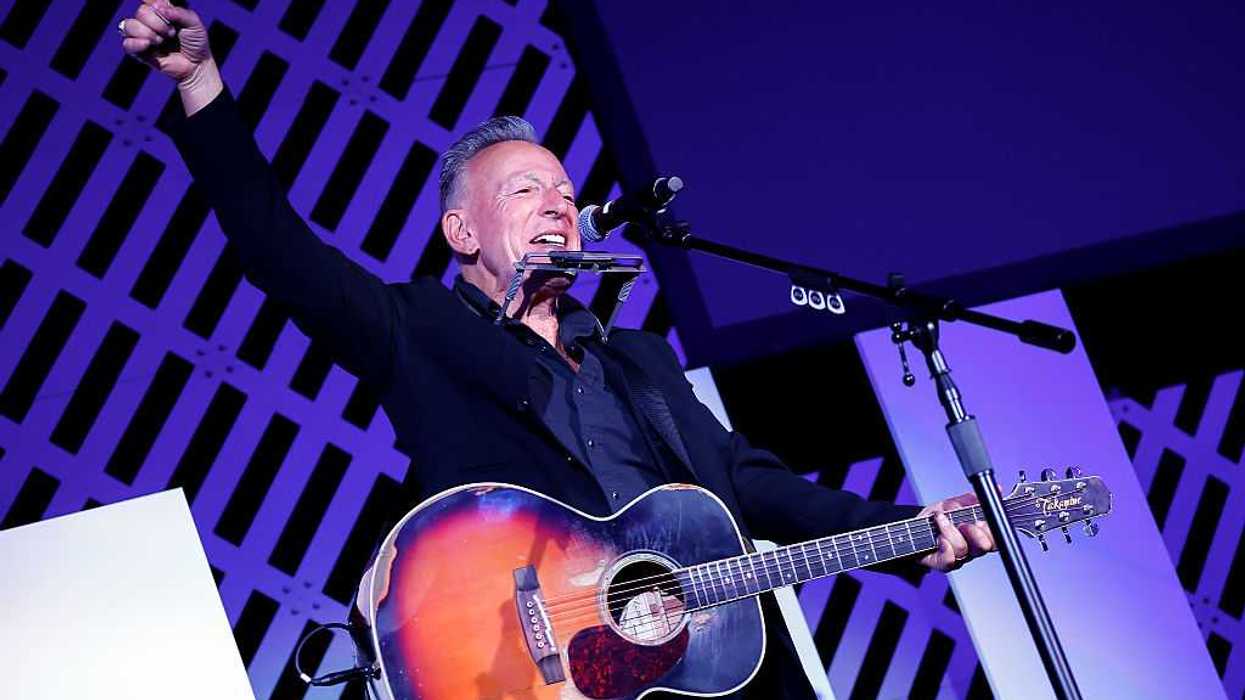


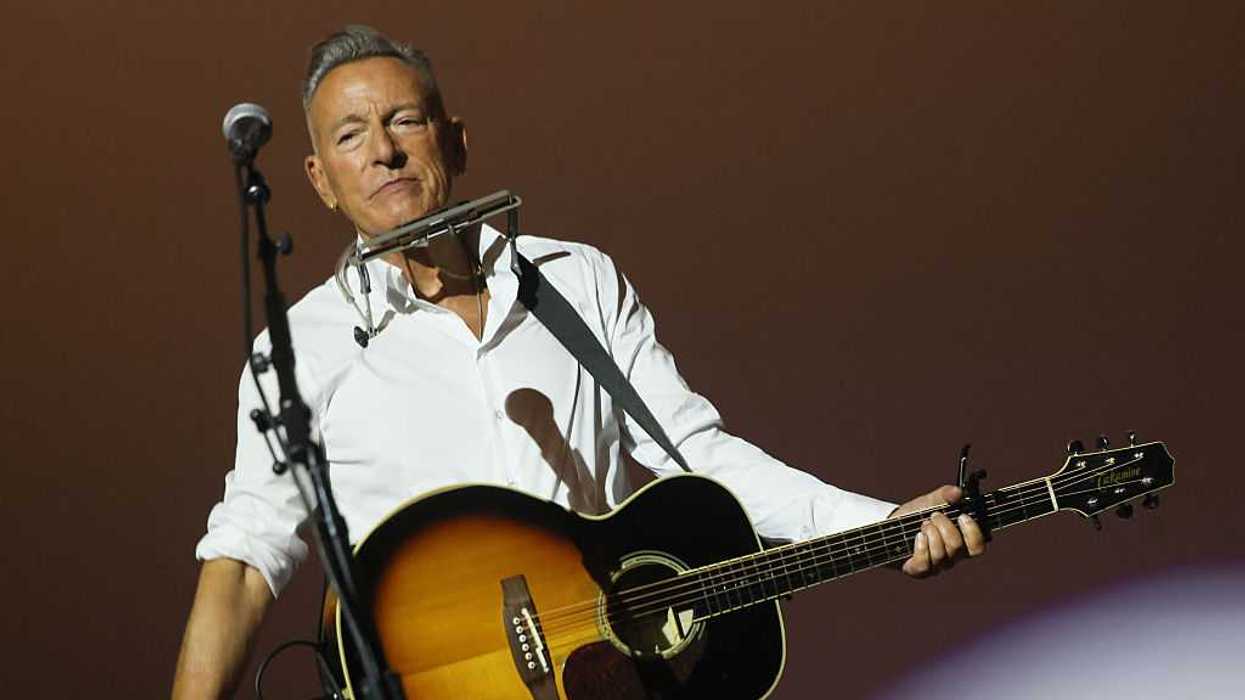
Bruce Springsteen didn’t wait for the usual aftermath—no investigations, no statements, no political rituals. Instead, he picked up his guitar and told the truth, as he always does in moments of moral fracture.
This week, Springsteen released “Streets of Minneapolis,” a blistering protest song written and recorded in just 48 hours, in direct response to what he called “the state terror being visited on the city of Minneapolis.”
- YouTube youtu.be
The song memorializes Renee Good and Alex Pretti, two Minneapolis residents fatally shot by ICE agents during federal immigration operations. Eyewitness videos and community accounts have sharply contradicted the immediate reactions of President Trump and members of his administration. Neighbors who watched the events unfold described the shootings as “senseless” and “utterly avoidable,” with one witness saying, “Nothing I saw justified what happened. They fired before they even tried to understand.”
Springsteen names the victims, calls out what he calls "King Trump’s private army," and vows that Americans will remember those who died "in the winter of '26… on the streets of Minneapolis." He sings, "Injustice scorched these streets where the innocent fell," capturing the raw emotion and urgency of the moment.
The song is Springsteen's demand for accountability, and a reminder of the powerful role artists have played in our nation's history. In recent years, protest songs have been linked to significant real-world changes.
A Warning Years in the Making
Just days before releasing the song, Springsteen stood on a small stage in Red Bank at the Light of Day WinterFest and dedicated "The Promised Land" to Renee Good. Renee, a Minneapolis school teacher with a reputation for dedication to her students and active involvement in community outreach programs, has now become a symbol of ICE overreach.
“This isn’t about one woman. This is about what we’re becoming — what we’re allowing.”
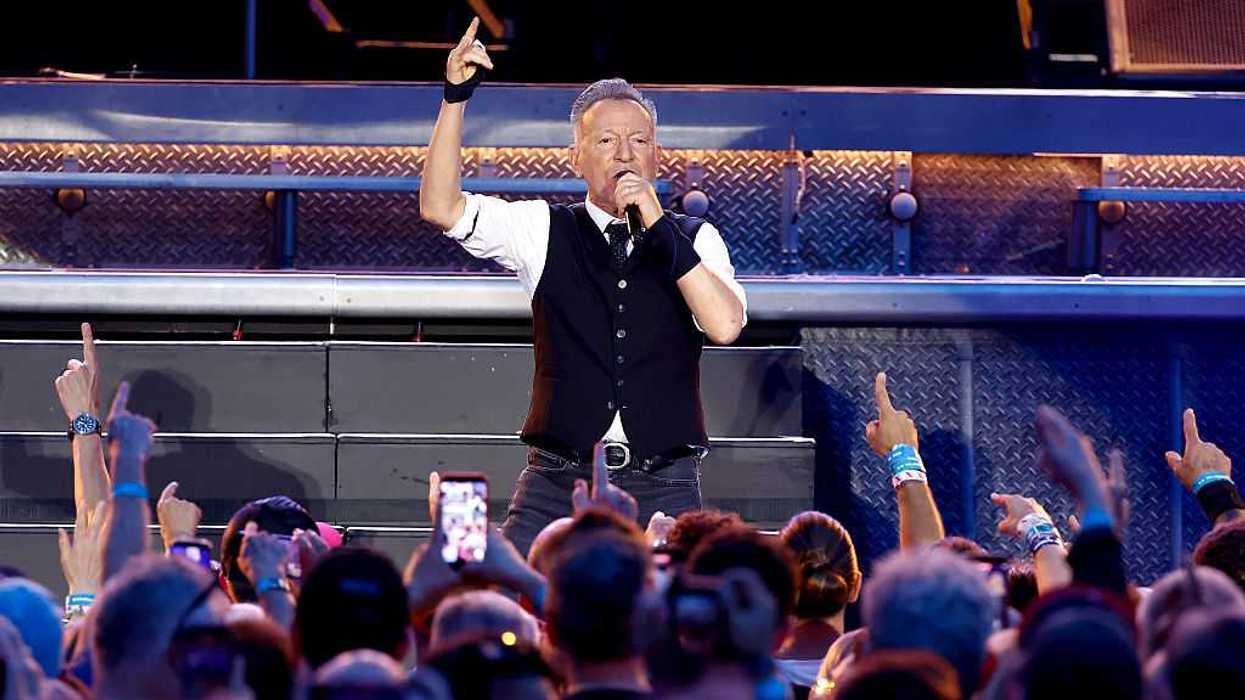
And of course, this is part of a longer pattern of protest by Springsteen. During his Land of Hope and Dreams tour in Europe in May 2025, Springsteen warned audiences that "there’s some very weird, strange, and dangerous shit going on out there right now," describing an America where dissent was punished, and the vulnerable were abandoned. Crowds across Europe roared in recognition. Back home, President Trump responded with personal insults and conspiracy theories, attacking Springsteen, Beyoncé, and Bono and accusing them — without evidence — of unlawful political activity.
This is an unmistakable pattern: An artist defends democratic values. The president tries to delegitimize the artist.
The Power of Art
For generations, American artists have raised their voices against injustice, often long before political leaders found the courage to act. In the 1970s, the nation was shaken by the killing of four students at Kent State University. Crosby, Stills, Nash & Young raised awareness with“four dead in Ohio.” Their song raised consciousness among a generation and served as a reminder that music can force a country to confront truths it would rather ignore. Decades earlier, during the Great Depression, Woody Guthrie’s ballads captured the struggles of ordinary Americans and urged the nation to reckon with its inequalities.
Together, these moments illustrate the continuity and evolution of civic artistry, highlighting how artists' voices have long echoed through many chapters of American history, calling out injustices and inspiring change.
Throughout our history, artists have connected people across divides, awakened empathy, and reminded us of our shared stake in the American experiment. Politics divides; music congregates, offering a unifying force that can transcend barriers and inspire collective action.
Springsteen’s dedication to Renee Good and the now-tribute in Streets of Minneapolis belong squarely in that lineage. Springsteen insists that the promise of America is not self‑executing. It requires vigilance, compassion, and the courage to call out injustice even when doing so invites backlash.
As political rhetoric grows more extreme and institutions strain under the weight of polarization, the arts remain one of the few spaces where Americans still gather. A concert, a musical, a mural, a poem: these are places where people still listen, still feel, still recognize themselves in one another.
Perhaps this is the moment to ask our artists to do what they have always done in times of crisis: lead.
But the bigger question is whether Springsteen's song will lead to citizen action. Will each of us consider what our voice and millions like ours could mean? Will you lend your voice and your support to amplify the message of democracy and unity? Each citizen's actions, no matter how small, contribute to a movement that seeks to preserve the very fabric of our society.
We have seen the power of such unity before. 'We Are the World' topped the charts worldwide, becoming one of the fastest-selling singles of all time. Live Aid, in 1985, brought together the world in a historic concert that raised over $125 million for famine relief in Africa.
Today, the stakes are different but no less profound.
Springsteen has captured this spirit with Streets of Minneapolis, widening the circle from a few horrible acts of violence to an entire city under siege.
The Question That Remains
Borrowing from Hamilton, it is time to raise a glass to freedom to ensure it is something they can never take away, no matter what they tell us.
Because in the end, democracy survives only if enough people believe in it strongly enough to fight for it.
Springsteen is doing his part. The question now is whether the rest of us will do ours. To start, just share the 'Streets of Minneapolis' with your friends and family and express your solidarity. By taking these small steps, we can contribute to a larger movement for change.
David Nevins is the publisher of The Fulcrum and co-founder and board chairman of the Bridge Alliance Education Fund.