

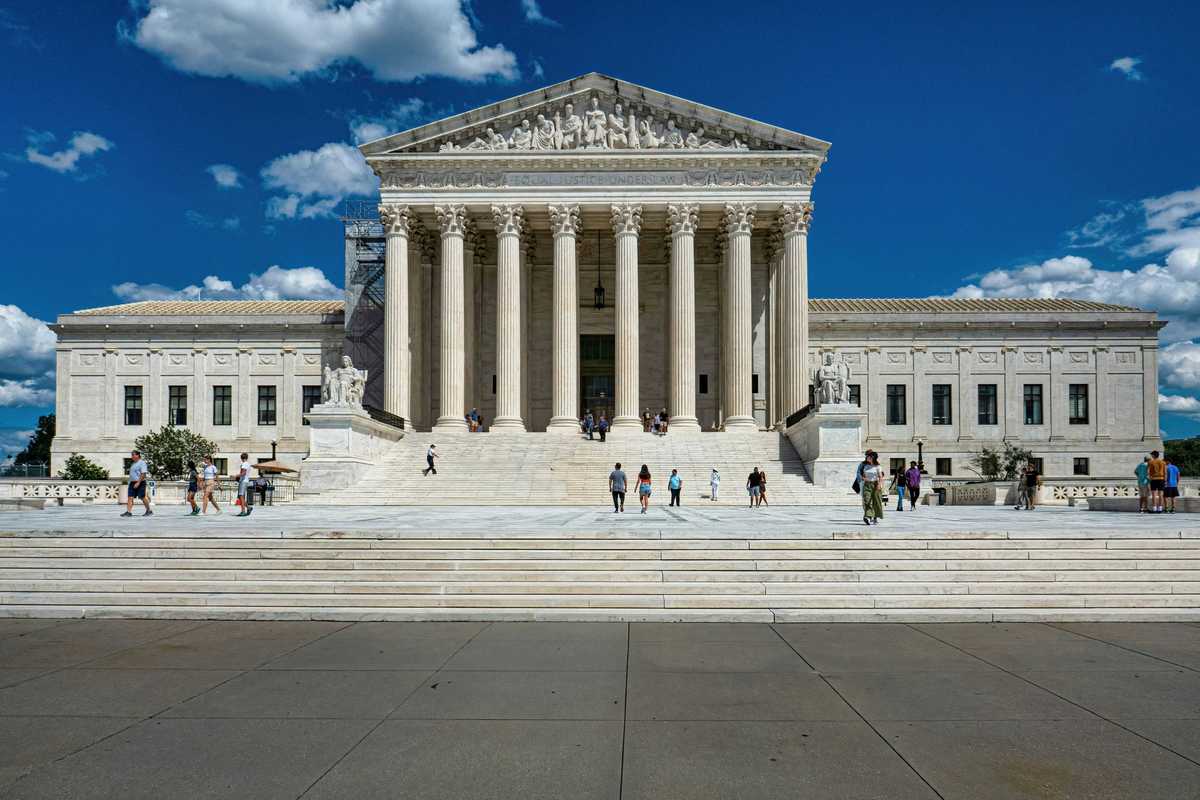



As our democracy dims and hypocrisy corrodes the very institutions meant to protect us — the Presidency, Congress, and the Supreme Court — Americans across red, blue, and purple states are left betrayed, silenced, and desperate for leaders with the courage to be accountable.
When leaders break their oath, democracy itself is betrayed. They swear allegiance to the Constitution, yet bend their loyalty to a President. Congress claims oversight, yet shields allies like Steve Bannon by refusing to enforce subpoenas (Congressional oversight failures). The Supreme Court insists on neutrality, yet expands immunity in Trump v. United States. This is not democracy in action — it is political hypocrisy and a betrayal of trust.
A Justice flying an upside‑down flag while claiming impartiality is not symbolism — it is a warning. Loyalty to faction over loyalty to the Constitution signals that institutions protect leaders, not the people. When Presidents promise to safeguard Americans yet threaten opponents, pardon allies, divert FEMA funds meant for disaster victims, and repeatedly attempt to dismantle the Affordable Care Act (ACA overview), all while touting a “Big Beautiful Bill” that never materialized — this is betrayal at the highest level. The pain of betrayal corrodes trust, proving that hypocrisy in government is not rhetoric but a governing style designed to silence voices.
When leadership prioritizes wealth and loyalty over service to the people, voices are silenced and democracy fades. The presidency, once a symbol of service, has been wielded as a weapon of control. Threatening critics while facing indictments turns law into a shield for power, not a pledge to justice. Surrounding oneself with loyalists and billionaires while millions struggle for food, housing, and healthcare is not leadership — it is exploitation. Shielding allies and welcoming foreign patrons at presidential properties (NYT reporting) demonstrates abusive power, wielded for self‑interest, not service. Hypocrisy corrodes trust, trust erodes voices, and when voices are suppressed, democracy fails.
But what does silencing voices really look like?
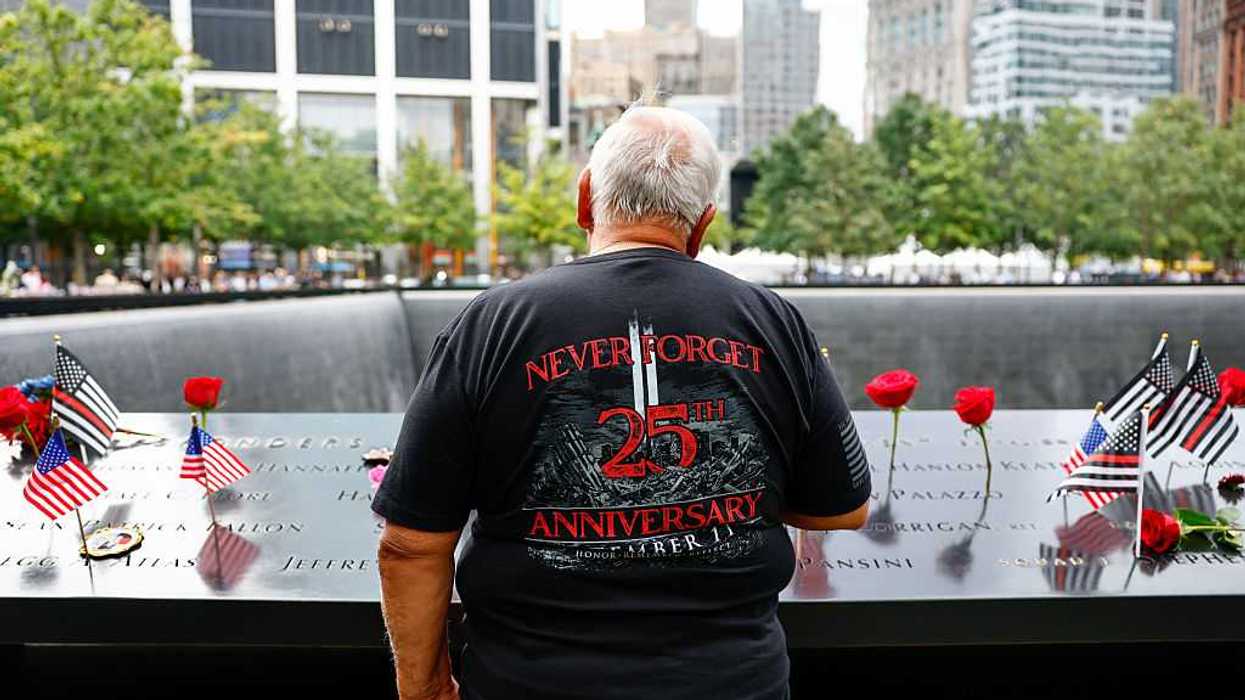
It looks like citizens are afraid to speak out, fearful of challenging authority, or discouraged from voting because they believe their voice no longer matters. It looks like neighbors are convinced by propaganda that truth is optional, and communities are too exhausted to demand accountability. When fear replaces participation, democracy itself is betrayed.
It also looks like a division. When I speak out, challenge, or contact my representatives, people around me distance themselves — afraid that if I am penalized, they will be too. Family members fear for my safety. Advocating for justice in our current crisis is not popular, but it is necessary if democracy is to survive. In states across this nation, citizens who dare to challenge leaders face intimidation, threats, and even harm. This is how voices are suppressed, and this is how democracy is betrayed.
When I write, speak, or contact leaders, I do not speak only for myself. I speak for the nurse who confides her exhaustion, the stranger in the supermarket who worries about food prices, the citizen afraid to walk into a voting precinct, the young person who cannot afford housing and shares a crowded apartment with three roommates — and the list goes on. Their voices, too, are silenced when leaders betray their oath. Their concerns echo across red, blue, and purple states, reminding us that when voices are suppressed, democracy fails for everyone.
Silencing often comes subtly: misinformation, propaganda, and confusion that exhaust citizens and discourage participation (Voting rights challenges). Friends of mine have lost their voice without realizing it — convinced the economy is strong simply because a political figure says so. Freedom of speech is not freedom to deceive. When leaders manipulate truth, Americans are left unheard.
But courage and accountability can restore our voices and renew democracy. When Congress enforces subpoenas, citizens see oversight working. When courts reject immunity, people believe justice applies equally, even to presidents. When leaders honor their oath, the public regains confidence that promises matter. Each act of courage rebuilds trust brick by brick, proving democracy can still serve the people. Without them, betrayal festers; with them, democracy heals.
Congress must enforce subpoenas so citizens see that no one is above oversight. Courts must reject extreme immunity claims to ensure justice applies to all. Leaders must honor their oaths so policy serves people, not personal gain. This is how we protect our democracy — by demonstrating courage and being accountable. These are not symbolic acts; they are the guardrails of trust. Courage confronts wrongdoing even when risky. Accountability ensures integrity, and it is not optional. Together, they return power to the people.
Our leaders claim moral standards, yet their actions reveal hypocrisy and a desire to suppress voices. If leaders embrace courage and accountability, hypocrisy will lessen and democracy will strengthen. Oversight guided by constitutional norms and nonpartisan analysis keeps government honest. Judicial integrity depends on clear ethical standards and recusal requirements (Code of Conduct for United States Judges). These guardrails are how institutions earn back trust.
Congress must audit itself — reclaiming powers that protect the people: safeguarding voting rights, defending the power of the purse, and conducting oversight grounded in constitutional checks and balances. The President must be held to the same standards as every citizen. The Speaker and Majority Leader must confront their failures and remember their duty is to the people, not partisan loyalty. When leaders act as true patriots — building trust, making it safe for citizens to speak out, honoring their oath, respecting the Constitution, and fighting for what is right — democracy is renewed.
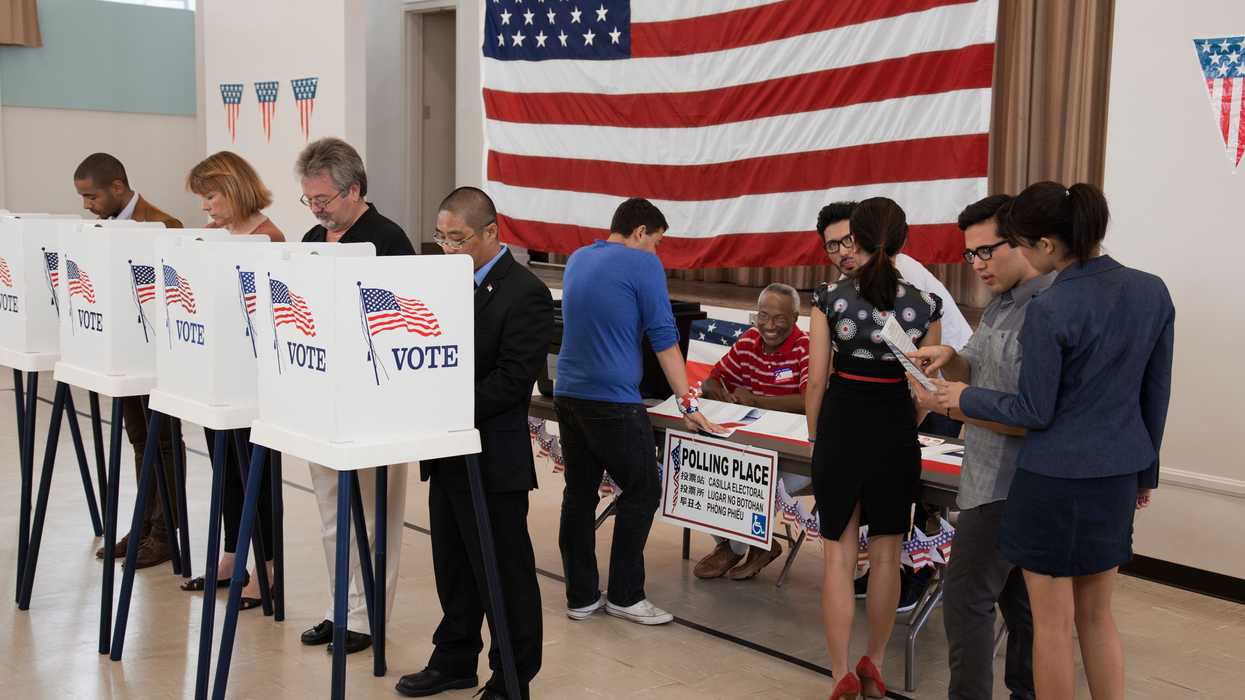
When Americans insist on courage and accountability at the ballot box, they restore dignity to public service, replace betrayal with trust, and amplify their voices. Register (vote.gov). Vote. Demand character and competence from those who seek power. Contact your representatives (Find your representative) and senators (Contact your senators) to demand oversight and ethical governance. Show up locally to testify, speak, and keep democratic participation alive (Civic engagement resources).
Citizens must confront betrayal, reject hypocrisy, and keep democracy alive. Voices are restored when courage confronts fear, accountability disarms impunity, and transparency makes it clear that we live in a democracy where it is safe to be heard. Trust is rebuilt not in slogans, but in the daily discipline of principle over power.
Carolyn Goode is a retired educational leader and advocate for ethical leadership and health care justice.









The President Invited Iran to Bomb My Home