
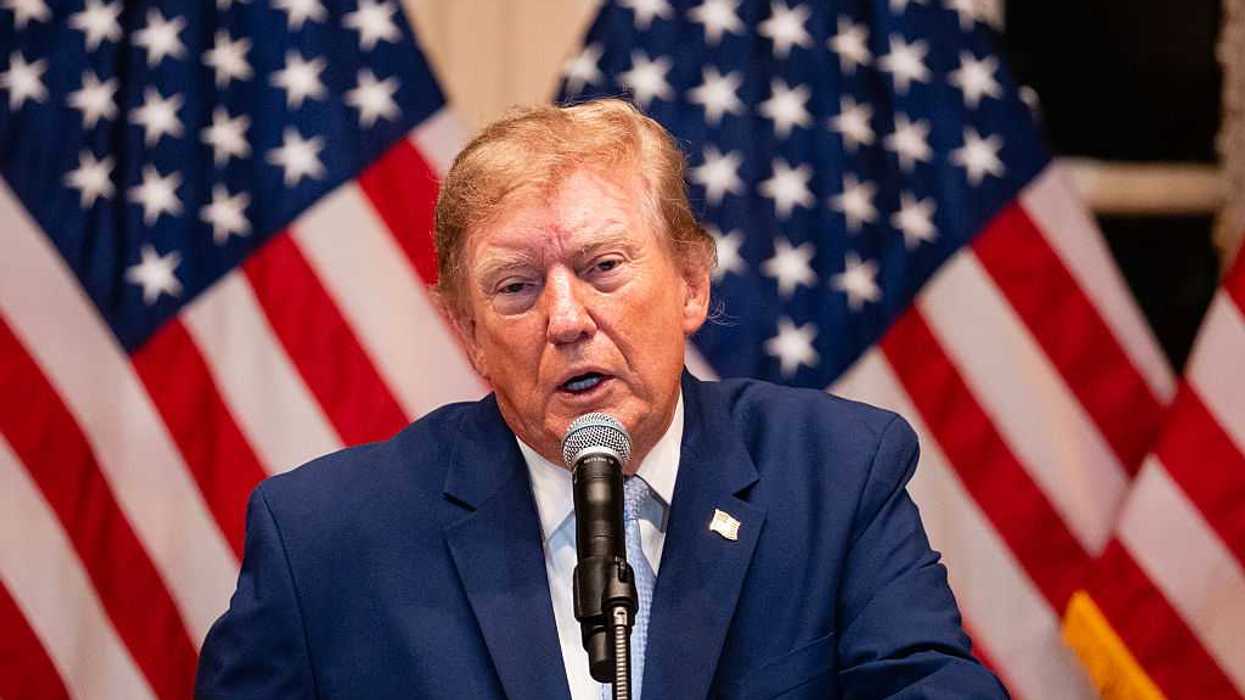

A president can win an election and still fail the test of leadership. The presidency is a public trust, not a personal platform, family enterprise, or license to demean people and disregard the law. Donald Trump holds the office legally. Yet his conduct raises a fundamental question: is he fulfilling the constitutional duties that give the presidency its meaning? The answer, visible in his behavior, is no. He performs the role of president the way a showman performs a part — loudly, aggressively, and without the substance the office requires.
Leadership is not conferred by a title; it is demonstrated through conduct. Ethical leadership requires integrity, honesty, sound judgment, and accountability. Moral leadership demands empathy, fairness, humility, and the courage to do what is right even when doing so carries a personal or political cost. When a president repeatedly demeans people, disregards established norms, and places personal interests above public duty, citizens have every reason to question his leadership — or whether he is leading at all.
Millions of Americans now say, “He is not my president.” They are not denying his election. They are expressing a deeper concern: a president cannot fully discharge the office while rejecting the obligations that define it. The Constitution grants power, but it also imposes duty. When a president abandons those duties, he hollows out the meaning of the presidency and becomes president in law only — not in constitutional substance.
On January 20, 2025, Trump took the presidential oath. The Constitution does not require a Bible; it requires a commitment to preserve, protect, and defend the Constitution and faithfully execute the office. The oath is not ceremonial. It is a promise to the American people. The question is whether his conduct honors that promise.
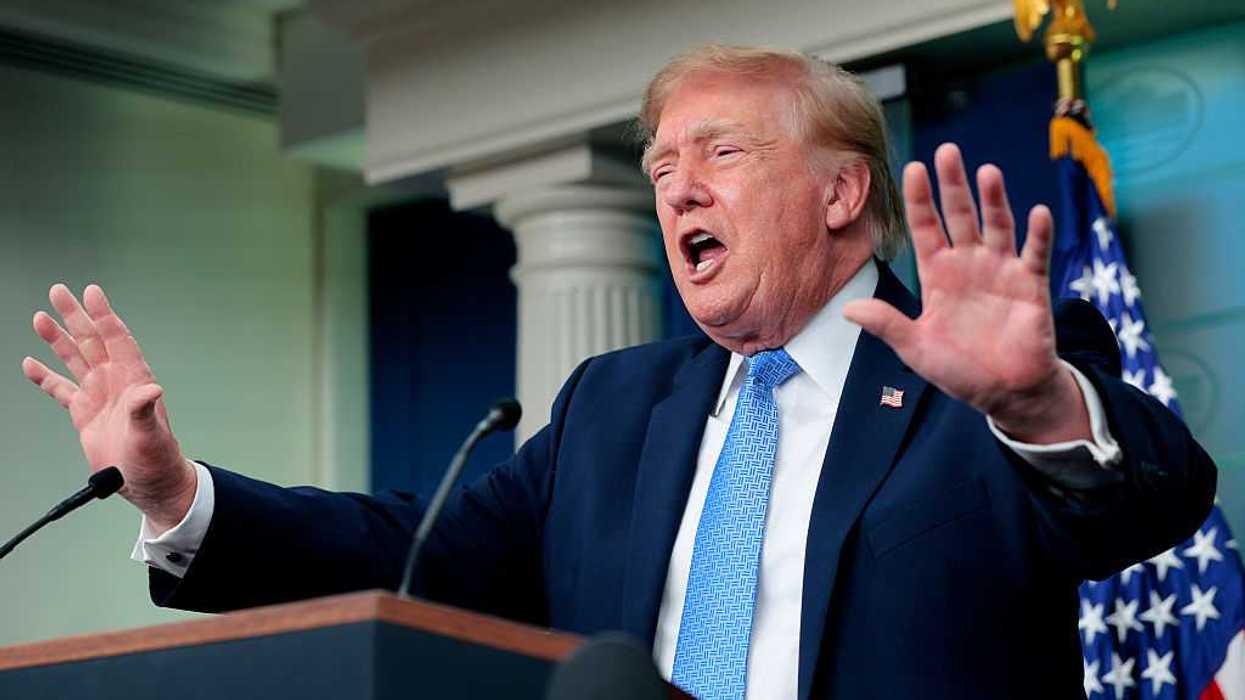
No serious leader behaves the way Donald Trump behaves. He is unfocused, impulsive, and driven by personal grievance rather than public duty. His deeds are often cruel, his rhetoric divisive, and his priorities centered on power, praise, and money. He praises dictators, demands constant admiration, and treats public office as a stage for self‑promotion rather than a responsibility to the nation. FOX News awarded him a “Patriotic” honor, yet patriotism is measured by service, sacrifice, and fidelity to the Constitution — not by showmanship or self‑congratulation. In my view, he is not a leader, not a patriot, and not a president in the constitutional sense. He is a man who holds the title but rejects the substance.
Courts, Congress, and federal agencies exist to check presidential power, yet Trump has repeatedly treated those limits as optional. Federal judges have ruled against administration actions, and reporting has documented delays and defiance of court orders. After the 2020 election, he challenged lawful results and pressured state officials to change outcomes. Presidential power is substantial but not unlimited; the Constitution’s Take Care Clause requires faithful execution of the laws. A president cannot make personal certainty the final authority over elections, courts, or law. Constitutional government collapses when lawful constraints are dismissed as inconveniences.
Public trust erodes when the presidency appears to advance personal interests rather than national priorities. Attacks on the press deepen that distrust. The late Senator John McCain warned that suppressing the press is “how dictators get started.” A free press helps citizens evaluate government claims and hold officials accountable. Leaders who seek to restrict scrutiny weaken the public’s ability to judge their actions.
Many Americans fear that public service is becoming self‑service. When questions about conflicts of interest, personal financial gain, or the use of public resources arise, citizens deserve transparent answers. Public office must never become a means of private enrichment. A president cannot demand public trust while treating accountability as an attack.
Professionalism also requires humility and perspective. Trump has repeatedly insisted that he deserves the Nobel Peace Prize. A president may believe his diplomatic efforts deserve recognition, but ethical leadership does not demand honors or treat their absence as an insult to the nation. Leadership is measured not by awards a leader believes he deserves, but by responsibility accepted and consequences faced. Public service is not a personal competition for recognition.
Constitutional leadership requires evidence‑based decisions, sound judgment, and respect for lawful outcomes. Repeated litigation and judicial rebukes should prompt restraint and compliance, not attacks on the legitimacy of the courts. When citizens are expected to obey the law, the president must demonstrate that he is bound by it, too.
Effective leaders also demonstrate empathy, humility, resilience, and the ability to build shared purpose. Critics see the opposite in Trump’s governance: loyalty‑based appointments, attacks on journalists, disregard for established processes, and behavior they regard as retaliatory or cruel. The question is not whether another president would have faced identical circumstances. It is whether constitutional standards are applied consistently, regardless of party. Accountability that depends on political allegiance is not accountability.
Senator Lisa Murkowski warned in 2025 that “retaliation is real.” When elected representatives fear punishment for exercising independent judgment, the issue extends beyond one senator or dispute. Congress is supposed to check executive power, not accommodate it.
Congress has both the authority and the responsibility to restrain presidential overreach. It must investigate credible evidence of misconduct, protect inspectors general and whistleblowers from retaliation, and demand transparency about executive decisions and public spending. Its appropriations power is a constitutional safeguard. No administration should divert public money without lawful authority or evade meaningful oversight. Taxpayer funds must serve legitimate public purposes, not personal image‑making or partisan advantage.
Congress should also strengthen safeguards against conflicts of interest and require meaningful disclosure of presidential financial interests. These are practical protections for public trust. Oversight must be continuous, evidence‑based, and applied without regard to party.
Not every presidential action citizens dislike is unconstitutional. Presidents have legitimate authority to set policy, issue lawful orders, veto legislation, nominate officials, and conduct foreign policy. Constitutional government depends on evidence, legal process, and institutional checks — not partisan assumptions or personal allegiance. Allegations must be investigated fairly, and violations must be addressed through lawful remedies.
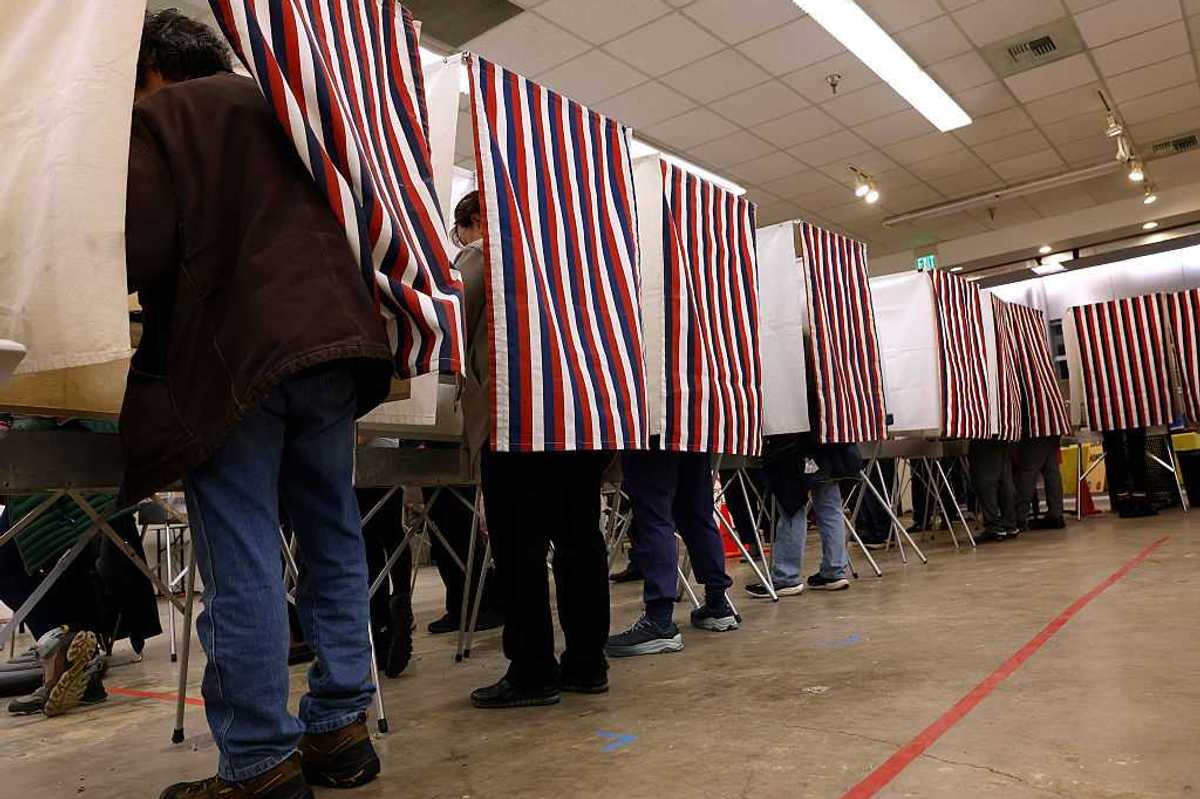
The responsibility does not rest with Congress alone. Americans can vote, petition, organize, support independent journalism, demand transparency, and examine how their representatives vote. Democratic accountability continues between elections.
The deeper danger is the erosion of institutional trust: constitutional limits become negotiable, loyalty replaces independent judgment, and accountability is dismissed as persecution. Confidence without competence is not leadership. Power without restraint is not strength.
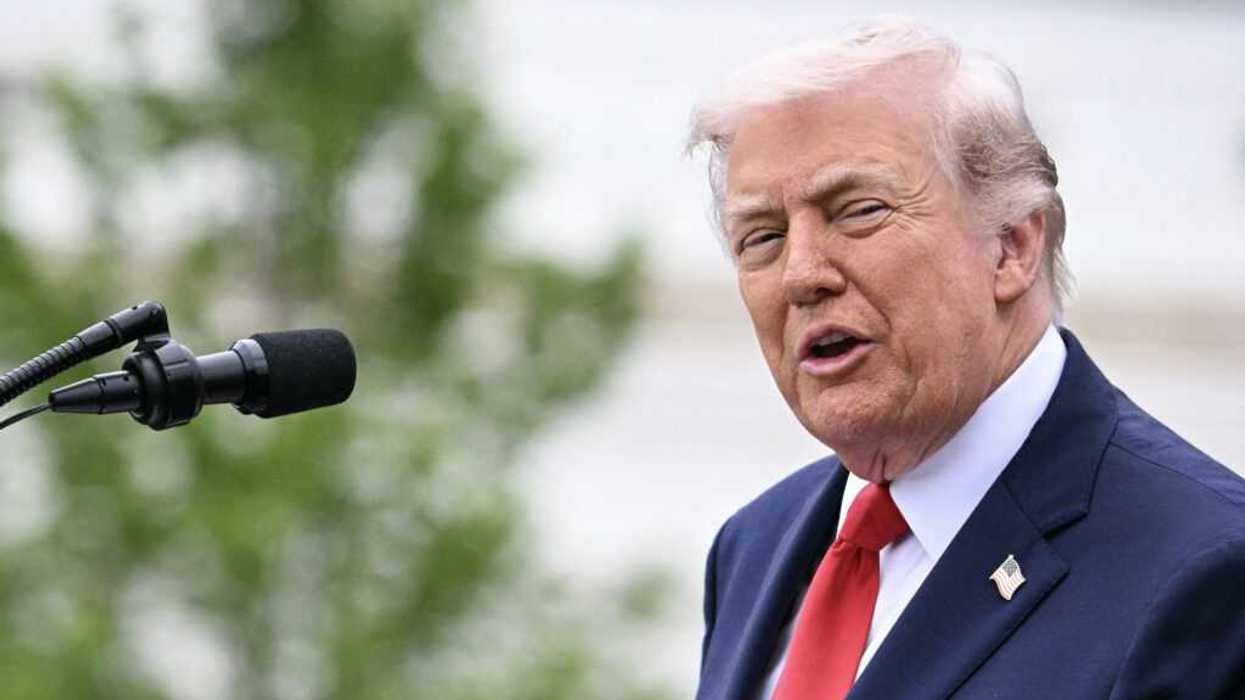
The question is not whether Trump occupies the office. He remains president in law. Whether he fulfills its responsibilities must be judged by his conduct, the evidence, and constitutional standards. The title cannot substitute for duty.
No Fortune 500 board would tolerate the patterns of conduct we have seen — not because of politics, but because leadership requires judgment, accountability, and respect for institutional limits. A president may hold the office in law, but leadership is earned through duty.
A president may hold the office in law, but the Republic endures only when its leaders fulfill the constitutional duties that give that office meaning — and when its citizens insist that no president is exempt from those obligations.
______________________________________________________________________
Carolyn Goode is a retired educational leader and former principal who spent her career advancing civic responsibility, equity, and public engagement. She writes about democracy, ethical leadership, and the values that strengthen American communities.