

The 2026 midterm elections were never going to be a referendum on one person. They were always a test of whether Americans believed their leaders were addressing the issues affecting their daily lives.
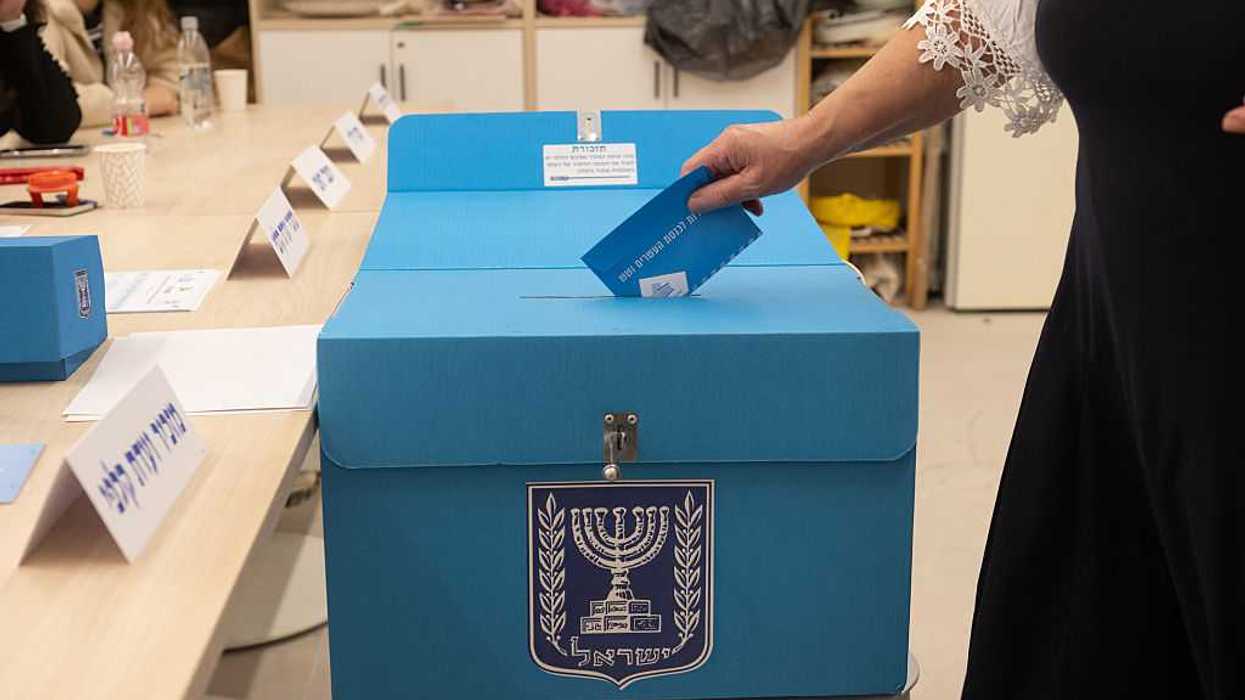
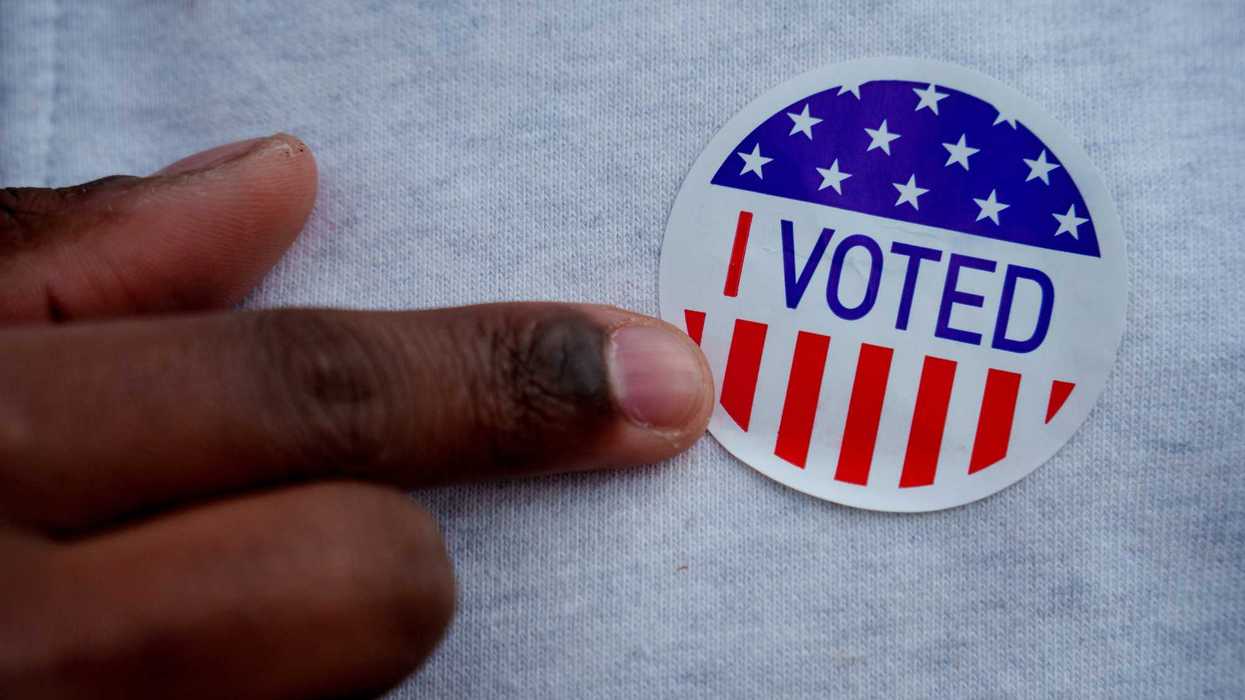
Voters delivered a clear message in the midterm elections. The results were historic. Democrats not only reclaimed control of the House of Representatives, but also captured a majority in the U.S. Senate.
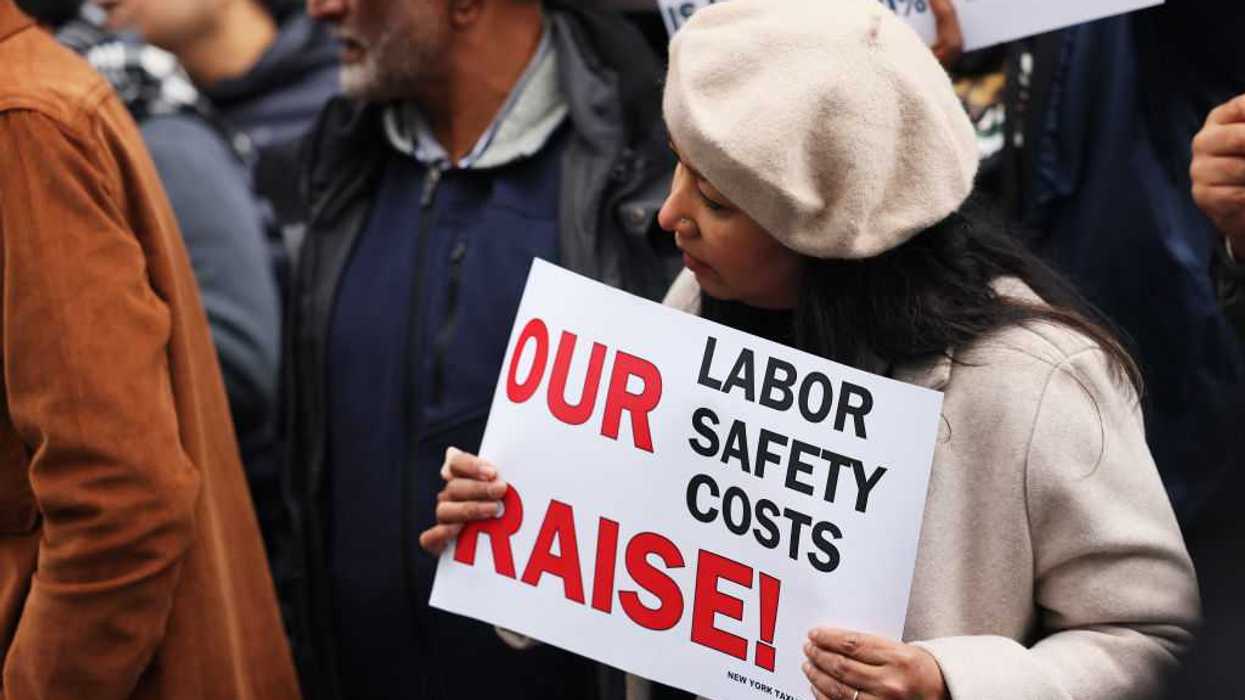
The victories, especially in states long considered safe Republican territory, reflect deeper frustrations that have been building for months. Across the country, Americans have continued to grapple with high prices for everyday necessities while watching an escalating conflict in Iran consume national attention. For many voters, the concerns they carry into grocery stores, gas stations, and monthly budget meetings were not being adequately addressed.
That sentiment appeared to transcend geography and party labels. In North Carolina, former Gov. Roy Cooper's victory offered one of the night's earliest signals that voters were prepared to chart a new course. "Tonight, we told Washington loud and clear that North Carolinians will always matter more than the billionaires and the insiders," Cooper said after his win. Whether one agrees with his politics or not, his message tapped into a broader anxiety about who government is serving.
A similar sentiment emerged in Pennsylvania's Lehigh Valley, where Democrat Bob Brooks flipped a competitive House district. Celebrating his victory, Brooks told supporters, "Tonight, the Lehigh Valley made history and sent a firefighter to put out the dumpster fire in Washington, D.C." The line drew cheers, but it also reflected a broader voter frustration with a political system that many Americans increasingly view as disconnected from the economic and kitchen-table concerns dominating their daily lives.
Whether one agrees with their politics or not, Cooper and Brooks' messages tapped into a growing anxiety about who government is serving and whether elected leaders are focused on solving problems rather than fueling partisan conflict.
The election also revealed something that political strategists often overlook: voters are not static. They are responsive. They evaluate results. They reward leaders who address their concerns and punish those who do not.
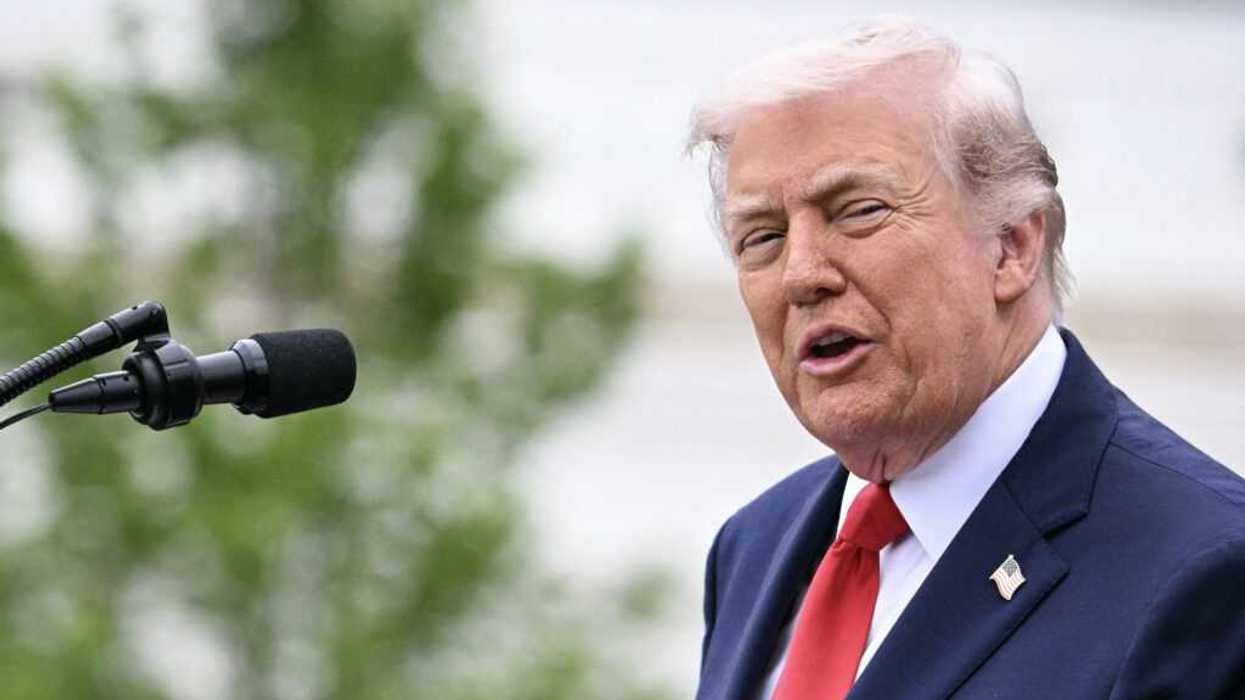
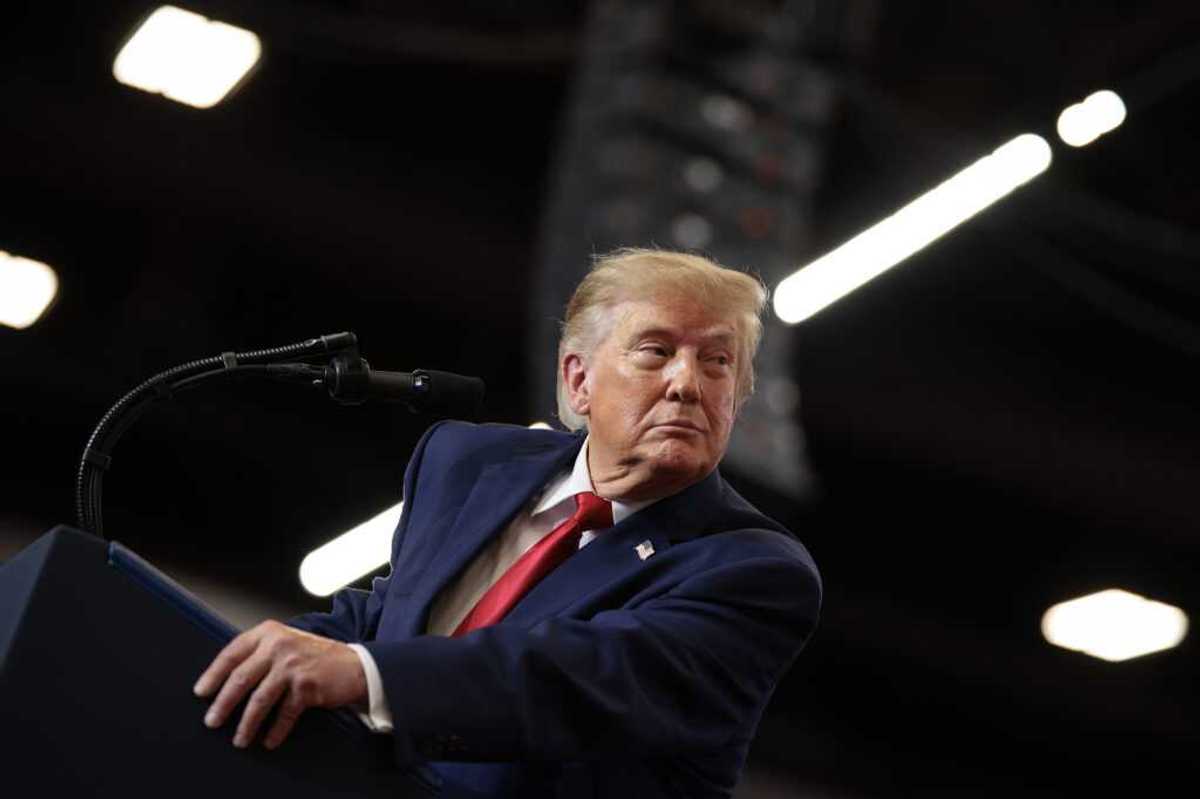
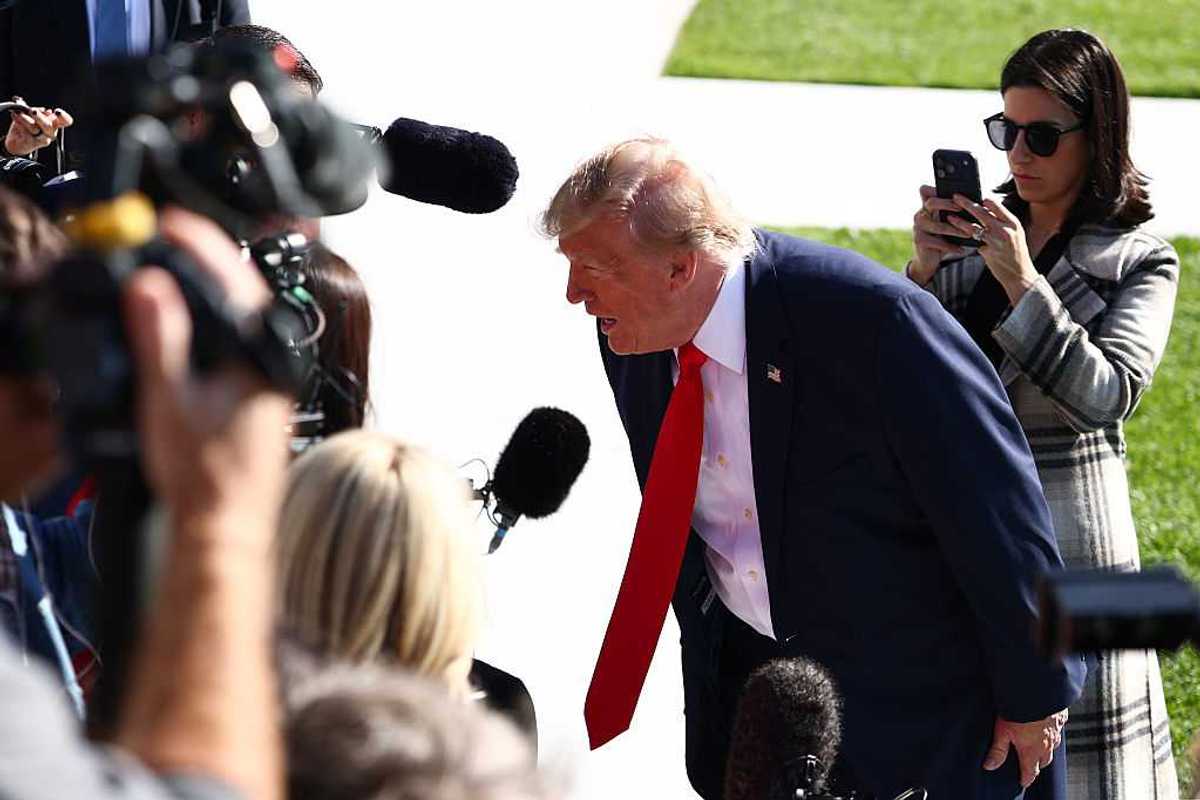
Some Republicans quickly downplayed the results' significance. An anonymous White House official argued that "President Trump was not on the ballot, and it's proven that Trump voters show up when he is on the ballot." That may be true. But it misses a larger point. Midterms are often less about personalities and more about governing. They offer one of the few opportunities citizens have to express their satisfaction or discontent with the country's direction between presidential elections.
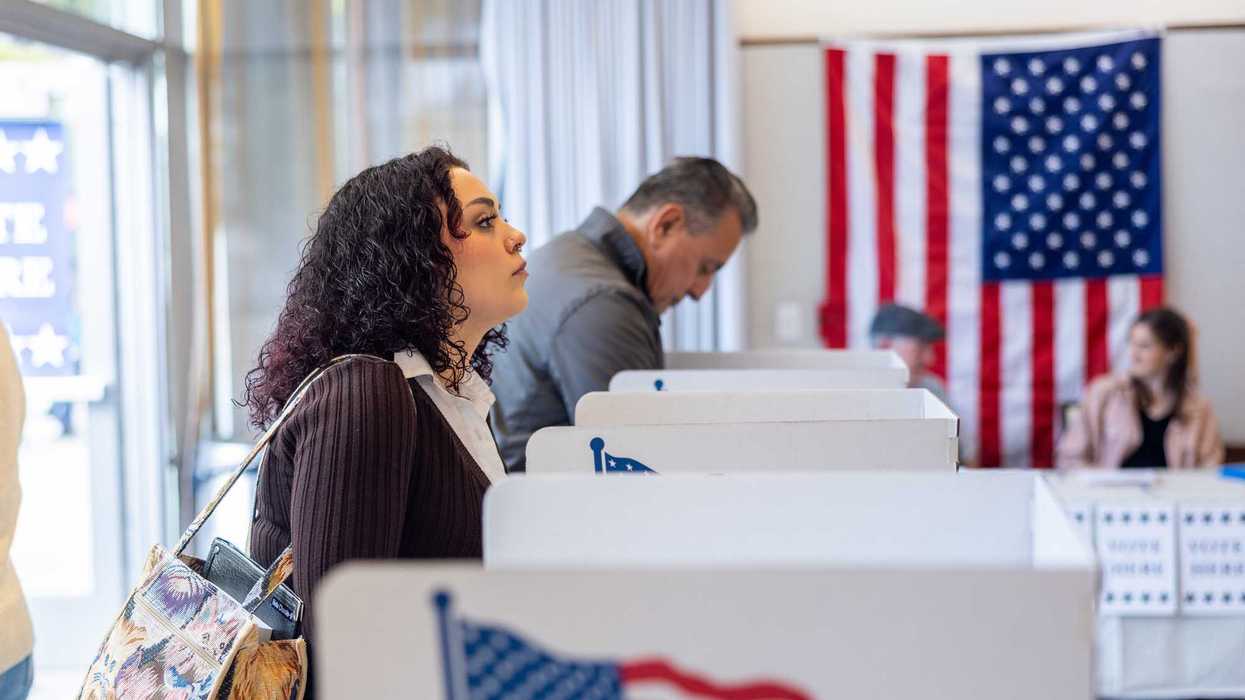
What struck me most about this election was not the partisan realignment. It was the reminder that democracy remains accountable to voters. Despite intense polarization, endless cable news debates, and social media battles, Americans still have the power to alter the political landscape when they feel unheard.
The lesson for Democrats and Republicans should be straightforward.
Voters want leaders focused on solving problems. They want an economy that works for working families. They want transparency and accountability when the nation enters military conflicts. They want confidence that government is listening, not lecturing.
In the coming days, partisans will be tempted to treat these results as either a mandate or an ideological rejection. I see something more fundamental. Americans are demanding responsiveness. They are demanding results.
Whether Democrats can meet those expectations remains an open question. Winning elections is easier than governing. The same voters who handed them victories this week will almost certainly hold them accountable tomorrow.
But for one night at least, the electorate reminded Washington of its most important role in our system. Citizens are not spectators. They are the ultimate decision-makers.
And when enough of them decide that change is necessary, even the strongest political assumptions can disappear in a single election cycle.
Hugo Balta is the executive editor of The Fulcrum and the publisher of the Latino News Network