


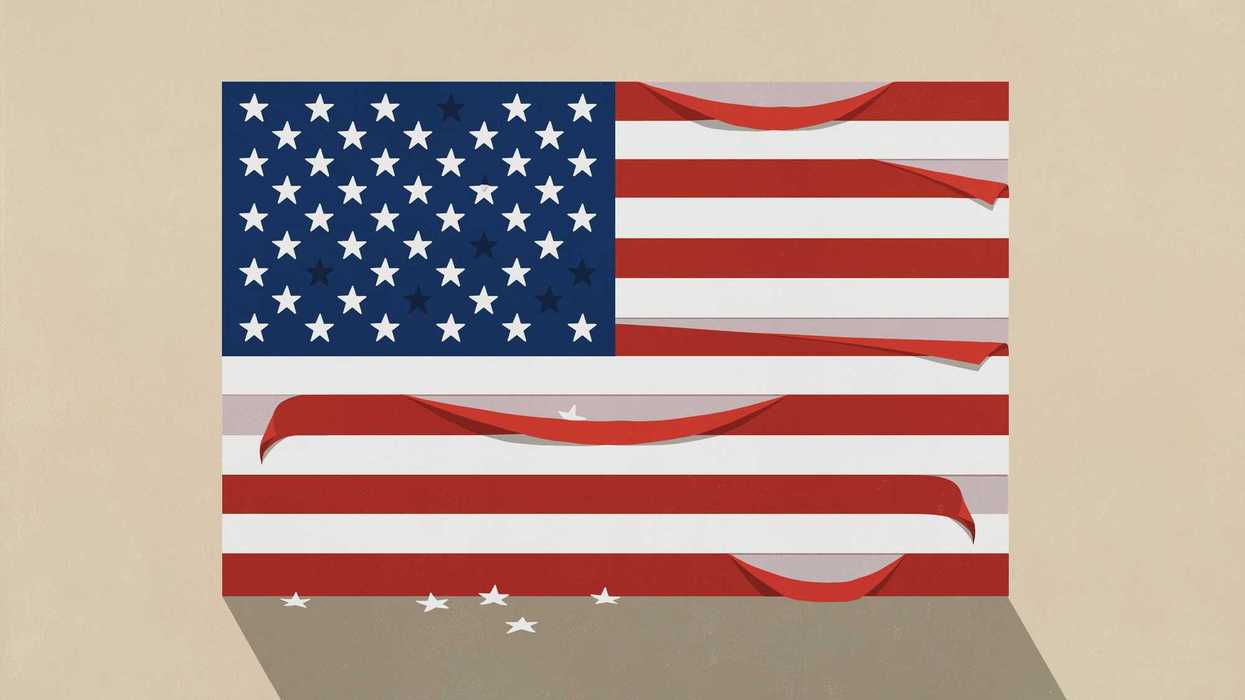

When George Washington left office in 1796, he did not simply say farewell. He issued a warning.
In his Farewell Address, Washington cautioned against what he called "the baneful effects of the spirit of party" — the instinct toward political tribalism that, he feared, would one day consume the republic he had helped build. He warned that partisan division would render our governing system dysfunctional, eroding public faith in government, and ultimately threatening the democratic experiment itself.
Two hundred and fifty years into that experiment, it is worth pausing to ask: how are we doing?
The honest answer is that Washington's nightmare is at least partially upon us. Eighty-six percent of Americans say they are exhausted by our divisions. Faith in institutions has fallen to historic lows — Congress hovers near a 15 percent approval rating, barely above "friends and family" support levels. Can we blame people? Faith follows function, and Congress has not passed a federal budget on time since the 1990s. Government shutdowns have grown longer and more frequent.
But this is not a story about bad people. It is a story about bad incentives.
Over decades, partisan actors have engineered an electoral system that rewards division and punishes cooperation. In most states, taxpayer-funded primaries sort citizens into partisan camps before a single vote is cast. Plurality-winner rules allow candidates to win without earning majority support. Partisan legislators draw the very maps that determine their own electoral fates. The result: only about 8 percent of voters effectively determine the outcomes of 90 percent of congressional races — and those voters tend to be the most intensely partisan. Politicians adapt rationally to the system in front of them. If vitriol is rewarded and cooperation is punished, division becomes a survival strategy. We let highly partisan figures serve as referees in our elections, with predictable results.
We have coded dysfunction into the DNA of our democracy. The good news is that we can code it out.
Reform, after all, is not radical. It is tradition. Secret ballot voting did not become widespread until the late 1800s. Statewide direct primaries were first adopted in Wisconsin in 1904. Women's suffrage was not guaranteed until 1920. Arizona established an independent redistricting commission in 2001. Alaska overhauled its entire election system as recently as 2022. The history of American democracy is a story of continuous renewal, not static acceptance.
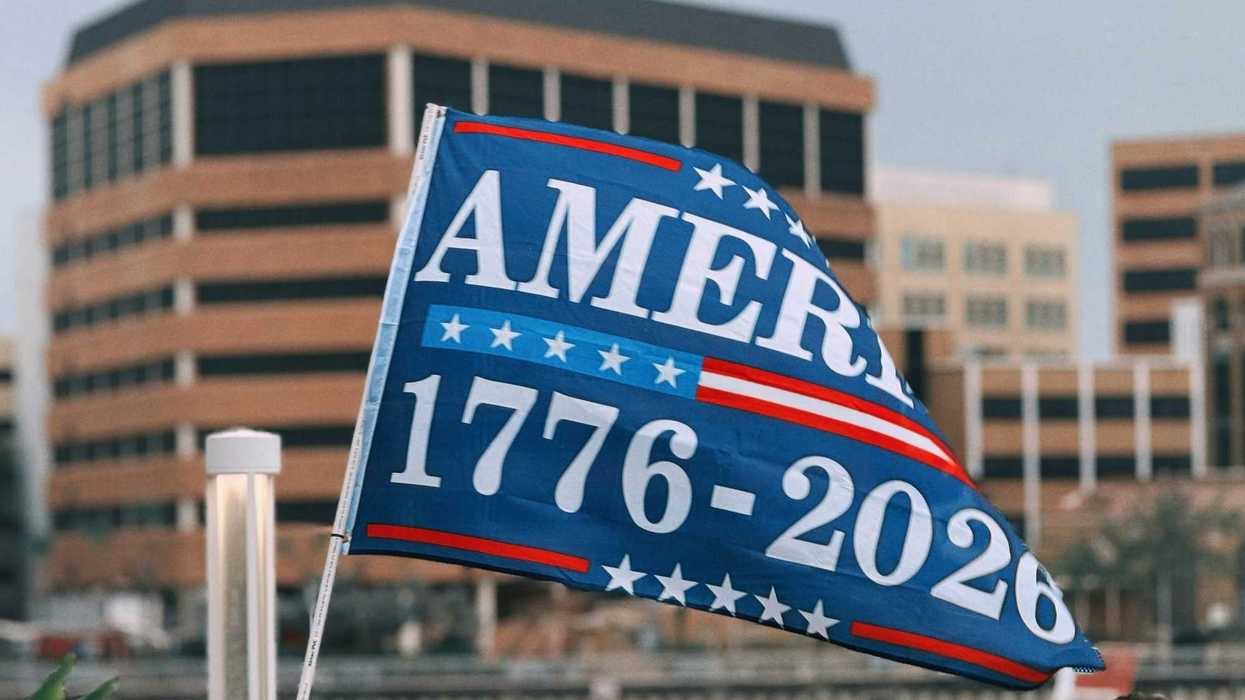
For America’s 250th birthday, we need to restore public faith by seriously revising our political institutions for our time.
So, what would renewal look like today? Here is a starting agenda from a recovering politician — a set of structural repairs that would make our governing system more functional and more worthy of public faith:
Fix Electoral Incentives
Nonpartisan primaries open to all voters: Replace taxpayer-funded party primaries with unified primaries in which all candidates compete together, and the top vote-getters advance to the general election, regardless of party. Alaska did it. More states should follow.
Majority-winner election rules: Use instant runoff voting, so that the winner must earn majority support — not just plurality backing from a narrow partisan base. Candidates who must build broad coalitions govern more cooperatively once in office.
Independent redistricting commissions: Take map-drawing out of the hands of partisan legislators and give it to independent bodies whose mandate is representation, not safe seats. Several states have moved in this direction. This should be a federal standard.
Fix Incentives Inside Congress
No Budget, No Fundraising: Members of Congress should not be permitted to hold campaign fundraisers until the federal budget is passed and funded. The American people pay for Congress to govern. That obligation should come before political campaigns. This single rule change would end government shutdowns. It could also restore some public faith in having a moment to govern free of the influence of donors.
Fix Runaway Campaign Cash
An arms-control-style compact among major donors to partisan campaigns: The goal would be mutual reductions in contributions for divisive campaign advertising — with half the savings redirected to charitable activities that actually help American communities. The logic is the same as in nuclear arms control: neither side gains a strategic advantage from the reduction, and both countries benefit from the de-escalation. If we can negotiate treaties to reduce weapons of mass destruction, surely we can negotiate to reduce campaign spending, and who would miss the extra negative ads?
Washington's warning was not a counsel of despair. It was a challenge — issued not to politicians alone, but to citizens. He said it was "the interest and duty of a wise people" to restrain the partisan spirit and preserve our democracy. That duty falls to us now.
We owe it to the country we love — on this 250th anniversary — to repair the parts that need repair. To set our politics up for success instead of division. To inspire the rising generation to carry forward the vital project of democracy for generations to come.
The American democratic experiment has survived civil war, the Great Depression, and profound transformation. It has done so not by clinging to the status quo, but by doing the hard, hopeful work of renewal. That is who we are. That is what this moment calls for.
Glenn Nye is the President and CEO of the Center for the Study of the Presidency and Congress.








The President Invited Iran to Bomb My Home