




A red card is supposed to be one of the few things in public life a president cannot fix.
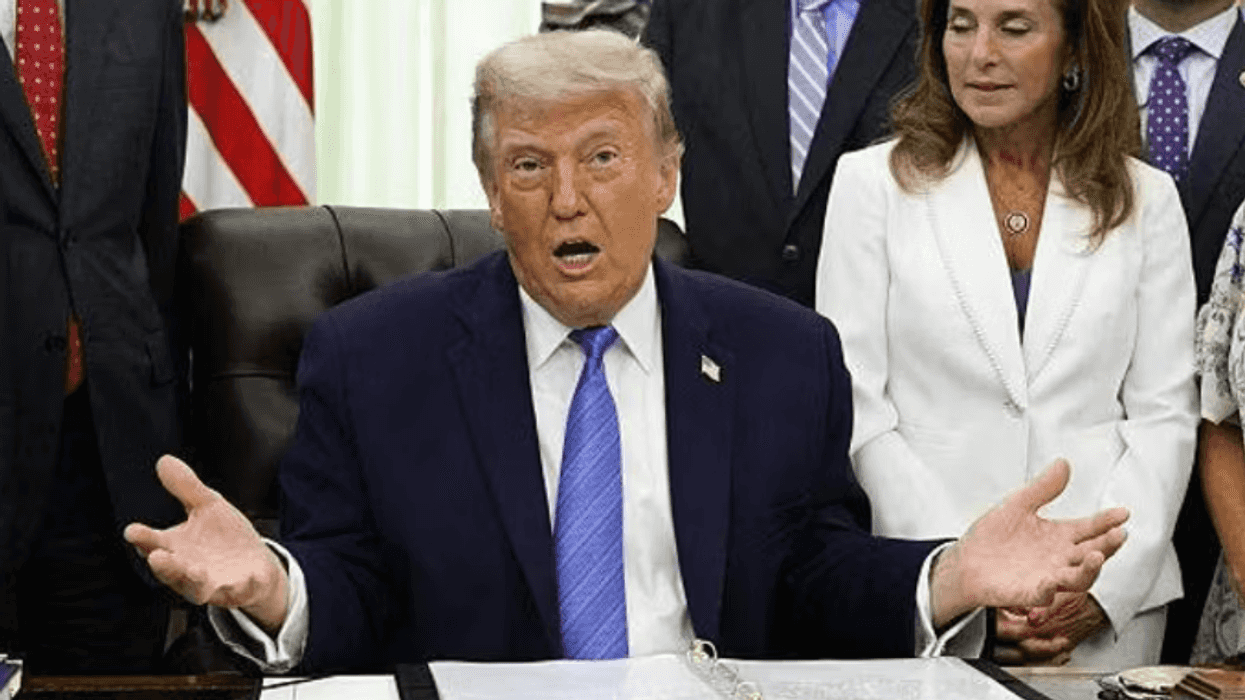
Not anymore, apparently. During the World Cup, U.S. striker Folarin Balogun received a red card and an automatic one-game suspension. President Trump called FIFA President Gianni Infantino, who lifted the suspension. Whether the decision was right or wrong is beside the point. Another line separating politics from ordinary life had been crossed.
If this were an isolated incident, it would be little more than an odd World Cup footnote. It isn't. Americans increasingly find politics intruding into places once governed by professional judgment, expertise, or simply a respite from partisan conflict. Schools, libraries, universities, corporations, museums, public health agencies, and now even sports have become ideological battlegrounds.
The instinct to treat every institution as another arena for political influence has become one of the defining features of modern American public life.
Political scientists have spent the better part of a decade documenting this phenomenon. In her 2018 book, Uncivil Agreement: How Politics Became Our Identity, political scientist Lilliana Mason argued that partisanship has evolved into a "mega-identity," shaping not only how Americans vote but how they view themselves, their opponents, and institutions far removed from elections.
More recently, Ezra Klein and other journalists have brought these findings to a broader audience, showing how politics increasingly colors institutions and experiences that were once largely insulated from partisan conflict. Politics no longer merely influences public life. It increasingly claims territory once governed by expertise, professional norms, and civic trust.
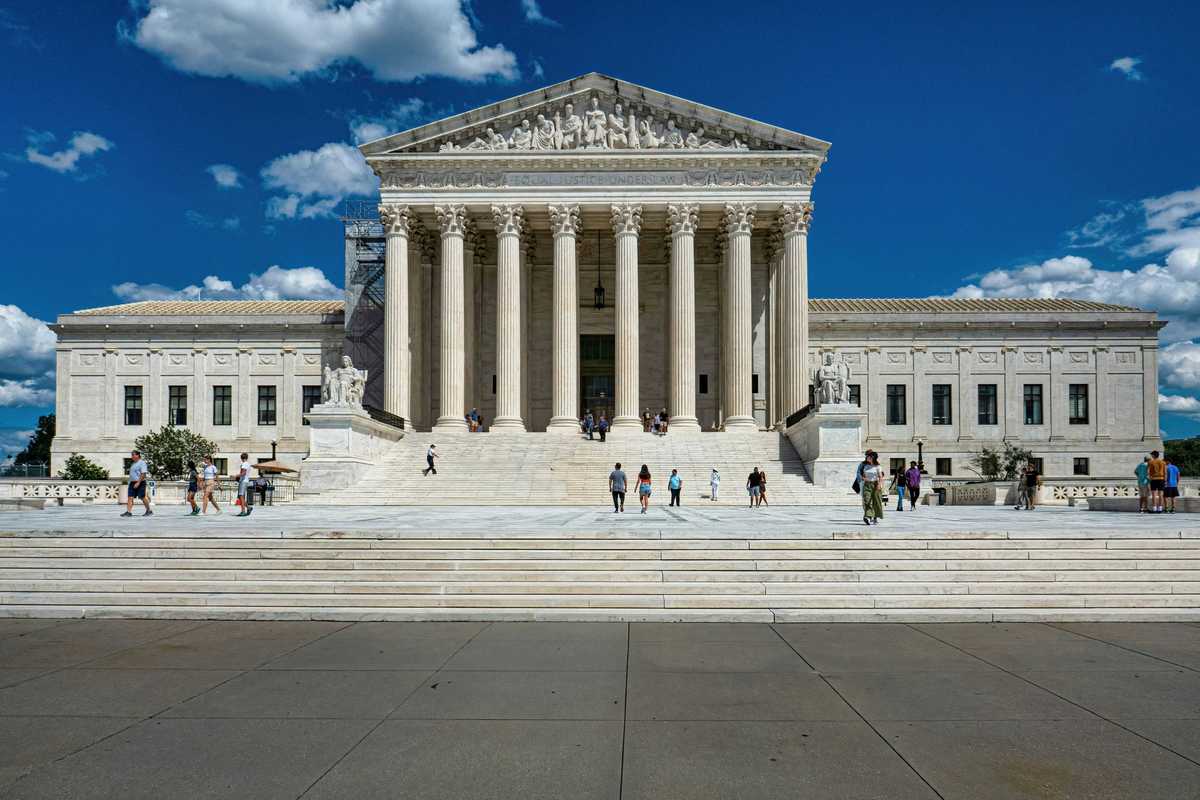
The Supreme Court's recent decision in Trump v. Slaughter may prove to be another milestone in that transformation. The Court did more than resolve a dispute over the dismissal of a Federal Trade Commission commissioner. It strengthened the president's constitutional authority over independent agencies.
Congress recognized that some governmental functions, including protecting consumers, regulating financial markets, and overseeing labor relations, require continuity and professional expertise that should not swing with every election.
The Court’s reasoning is that because the president is charged with faithfully executing the laws, he must have broad authority to supervise and, when necessary, remove the officials who carry them out. In Trump v. Slaughter, the Court concluded that the president's Article II authority outweighed Congress's effort to shield leaders of certain independent agencies from removal. The ruling does not abolish independent agencies, but it narrows Congress's ability to insulate them from presidential control.
The significance of the decision lies less in today's controversies than in tomorrow's incentives.
Constitutional rules shape political behavior.
As presidents acquire greater authority to reward loyalty and remove dissent within independent agencies, the pressure to align professional judgment with political priorities will only increase. What scholars have identified as a growing social phenomenon may now become an institutional one.
Democracy depends on politics. It depends on spirited elections, vigorous debate, and sharp disagreements over the nation's future. But it also depends on institutions that citizens trust to carry out their responsibilities according to law, expertise, and professional judgment rather than partisan loyalty.
A referee should not have to answer to a coach.
An independent regulator should not have to answer to a president.
The greatest danger posed by Slaughter is not that one administration gains more influence over independent agencies. Administrations come and go. The greater danger is that Americans gradually lose the expectation that some institutions should stand apart from politics altogether. Once that expectation disappears, every election becomes a struggle not only over public policy but over the operation of every institution that shapes our daily lives.
The health of a constitutional democracy is measured not only by the vigor of its politics, but also by the strength of the boundaries that keep politics in its proper place.
Referees are expected to enforce the rules of the game, not favor one team over another.
In our constitutional order, Supreme Court justices occupy a similar role. Their decisions inevitably shape politics, but they also determine where politics ends and constitutional government begins. If those lines continue to blur, America may discover that the greatest casualty is not any single agency or administration, but the public's faith that some institutions still answer to rules rather than politics.
Robert Cropf is a Professor of Political Science at Saint Louis University.










The President Invited Iran to Bomb My Home