

Skip to content
Search

Latest Stories

Follow Us:
Top Stories

The Lawsuits Will Lose. The Delays Will Still Win.

Opinion

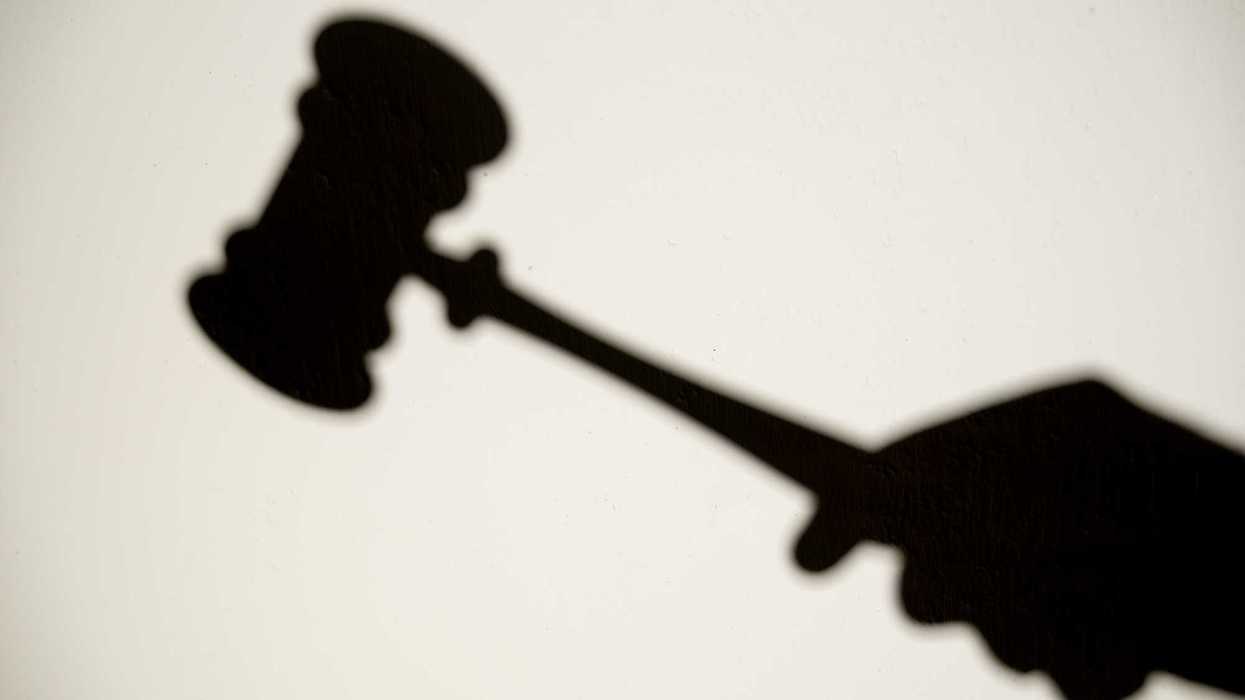
Shadow on a wall of Judge hitting gavel in court, concept of justice, law, and legal protection

DOJ lawsuits in Alaska and California preview post-Election Day fights over certification and seating winners. Here’s how officials and voters can prepare.

Aitor Diago / Getty Images

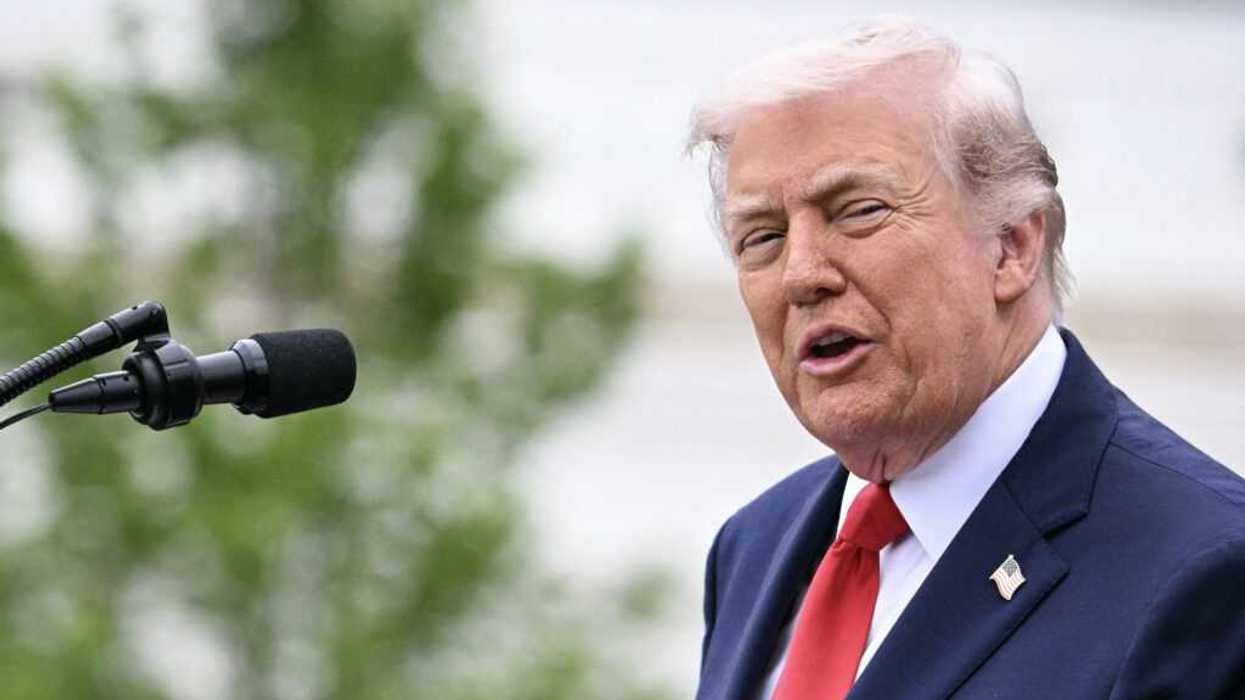
Less than two weeks before Election Day, President Trump’s Justice Department asked a federal court to stop Alaska from certifying its U.S. Senate race if Republican Sen. Dan Sullivan loses to Democrat Mary Peltola. The lawsuit claims that a second candidate on the ballot, Daniel J. Sullivan, will confuse voters. That argument went nowhere in June, when the Alaska Supreme Court ruled that the state had no legal way to remove him from the ballot. Asked about the suit, the president took credit. “I’m the one that said do it,” he told reporters.

Alongside the Alaska suit, the Trump administration sued California to keep the state from counting mail ballots from 20,000 people it calls “likely” noncitizens. Over the summer, the Department of Homeland Security put that number at 190,000. Legal experts expect both suits to fail, as so many suits like them have. Still, Alaska and California give us an early look at what the weeks after November 3rd could bring: recount demands, calls to review or throw out ballots, and pressure to delay seating winners.


These efforts can do a lot of damage even when courts reject them, because every week of delay leaves voters without the representative they chose. Election officials, judges, reporters and voters need to prepare now, before the first post-election challenge arrives.

And the challenges will arrive. Whoever holds power over who takes a seat has used it before, and the delay always lands on voters.

After the 2020 election, Donald Trump and his allies filed over 60 lawsuits challenging results in states he lost, and most of them failed due to a lack of evidence. In Michigan, Republican canvassers in Wayne County blocked certification for hours before reversing course. The suits lost, but they still caused major political delays.

Delay can come from inside Congress, too. Take, for instance, Rep. Adelita Grijalva, who won Arizona’s 7th District special election on September 23, 2025, but wasn’t sworn in until November 12th, 50 days later. House Speaker Mike Johnson’s explanation kept changing: first he was waiting for official results, then for the House to return to session, then for the government shutdown to end. Critics pointed to her pledge to sign the Epstein discharge petition. Democrats noted that Johnson had sworn in two Republicans, Jimmy Patronis and Randy Fine, on a day the House had gone out of session. Arizona’s attorney general sued to try to force the swearing-in, and Johnson called the suit “patently absurd.” Still, Grijalva took her seat only when the House came back.

In this case, one official’s discretion over procedure kept more than 800,000 Arizonans without a vote in the House for seven weeks.

To be sure, seating disputes are rare. The House last refused to seat a certified winner on the first day of a new Congress in 1985, when the Democratic majority declined to seat Indiana Republican Richard McIntyre and, months later, seated his Democratic opponent by four votes. Federal law also requires the House clerk to list members whose credentials show they were elected under state and federal law, which leaves little room for personal or political discretion. But little room and no room are different, and the limited space still provides room for a long fight.

Preparing for that fight belongs to all of us.

State officials already know certification timelines. It’s their job to know. They should publish those timelines now and meet them to build public trust. Knowing that legal interference is coming, courts should be prepared to schedule expedited hearings so challenges can’t run on forever. Reporters should explain, now, that slow counts and recounts in close races are normal rather than signs of fraud, and they should separate filed lawsuits from proven problems. Both parties could also publicly commit to seating every certified winner when the new Congress convenes on Jan. 3rd.

Voters have work to do, too. We can learn our state’s certification deadlines and give the counts the time they need without claiming fraud. Millions of people vote, and counting every ballot takes a little while. We also need to remember that when a television network calls a race, that call is a media organization’ projection. It isn’t the official result, and no one ever officially wins on election day. The certified count decides who wins.

The lawsuits in Alaska and California show us that legal battles are coming. The delay in seating Arizona’s 7th District Representative shows that even when the winner is clear, it can take weeks for that person to take office. If the challenges after November 3rd go the way these suits suggest, voters in other states could wait just as long, or longer for the representation the Constitution promises them.

We still have time to hold the people in power to that promise.


Stephanie Toliver is a Public Voices Fellow and a member of the OpEd Alumni Project sponsored by the University of Illinois.

Read More

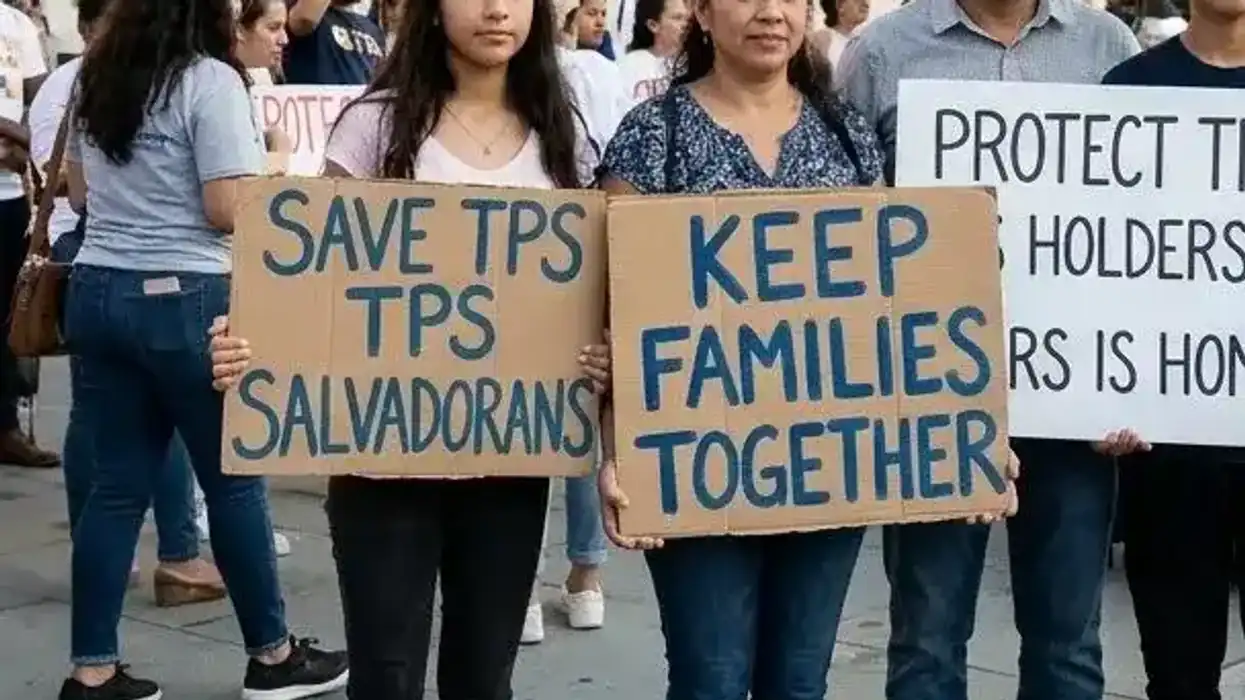
​People hold signs supporting Salvadoran community

People hold signs supporting Salvadoran community

Photo provided

Two Months in Limbo: Salvadoran TPS Holders Await Clarity on Their Future

WASHINGTON, D.C. — The Trump administration has quietly paused its plan to terminate Temporary Protected Status (TPS) for roughly 200,000 Salvadorans, opting instead to leave the program in an unresolved state of limbo past the September 9, 2026, expiration deadline.

- YouTube youtu.be

Keep ReadingShow less
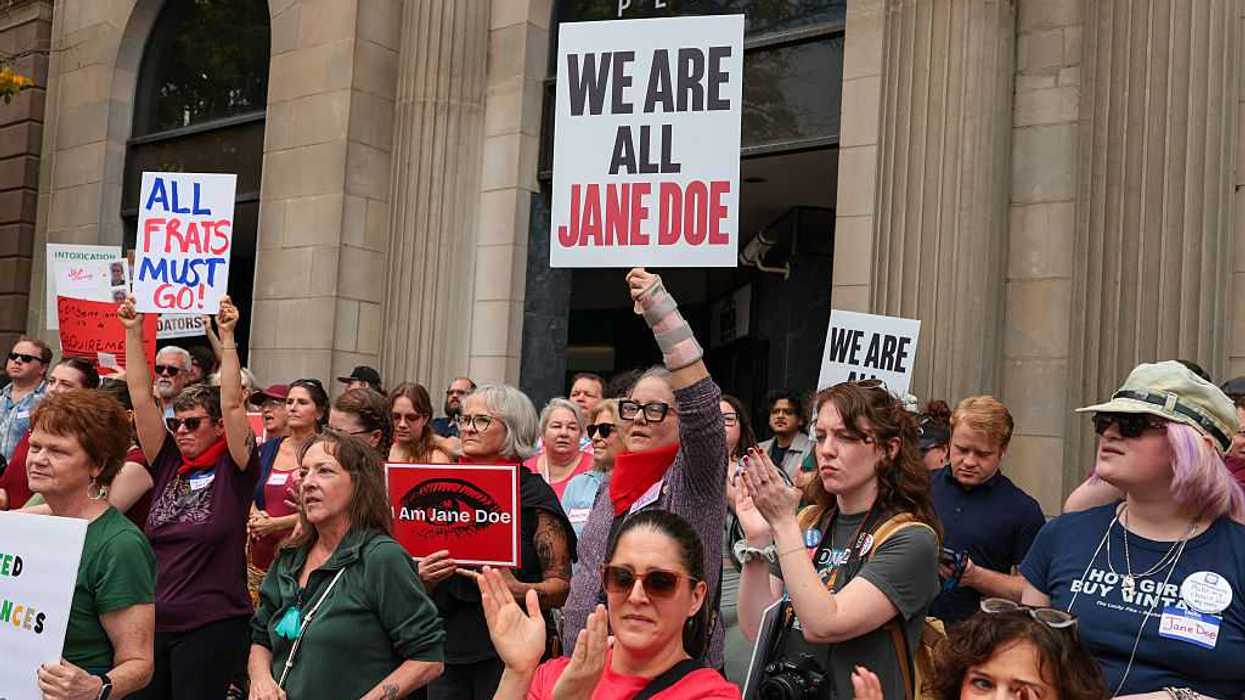
​Protesters listen to speakers at a rally in support of a former Cornell University student known as Jane Doe

Protesters listen to speakers at a rally in support of a former Cornell University student known as Jane Doe at the Ithaca Commons on October 13, 2026 in Ithaca, New York.

(Photo by Anna Moneymaker/Getty Images)

Sexual Violence Requires More Than Legal Accountability

In the wake of public attention to the Cornell fraternity alleged gang-rape, headlines resound with statements of concern and calls for greater accountability. These calls are not new. They have followed countless incidents of sexual violence, whether on a college campus, in connection with work, or within an intimate relationship. Despite decades of law and policy reform, sexual violence continues to run rampant. While law and policy reform are sorely needed, we will not see long-lasting change unless we address what accountability truly means. Our collective response should aim for a world where no one would ever think it was ok to commit, condone, or be a passive witness to sexual violence, never mind that it would be ok to send the kind of text messages that were allegedly exchanged at the Cornell fraternity where the rape allegedly took place.

As policymakers consider reform, a comprehensive approach to accountability should consider the known limitations of criminal and civil justice systems. Problems with the criminal legal system are legion, both within and beyond sexual violence cases. These include racially discriminatory application of laws criminalizing sexual violence, that, for example, have led to harsher punishment when the accused is a person of color and lesser punishment when the survivor is a person of color. Survivors continue to be doubted and subjected to biases and stereotypes, including that survivors lie about their experience, that they somehow invited the violence, or act with self-interest or ulterior motive when coming forward.

Keep ReadingShow less
A gavel.

From the Gilded Age to Citizens United, discover how recent Supreme Court rulings empower mega-donors, reshape party spending, and impact American democracy.

Getty Images, David Talukdar

Supreme Court’s Campaign Finance Rulings Help the GOP

American elections have always been dominated by moneyed interests. For instance, during America’s last Gilded Age, in the presidential election of 1896, William McKinley, the Republican candidate, outspent his Democratic challenger by $3.5 million (roughly $140 million in today's dollars) to $400,000 (approximately $16 million today). McKinley went on to win the election with the help of robber baron J.P. Morgan and monopoly Standard Oil. As the example shows, powerful special interests have often translated their vast economic power into political influence. But recent court decisions threaten to permanently entrench the financial imbalance between the Republican and Democratic parties.

In this light, the Republican National Committee’s (RNC) decision to transfer more than $50 million to beleaguered congressional campaigns across the country must be judged. The impact of this massive infusion of cash into the otherwise struggling Senate campaigns cannot be overemphasized. On the other side, the Democratic National Committee (DNC) cannot match the GOP’s deep pockets filled by the likes of Elon Musk. The Republicans, even before this deluge of special interest money, enjoyed financial advantages. The money is coming at a particularly pivotal moment in the campaign as Republicans find themselves electorally underwater due to Trump’s unpopularity.

Keep ReadingShow less
Close up of a judge hammering a gavel

Investigations, indictments, dismissals, convictions: what each means and the questions to ask before judging claims of political weaponization of the law.

Chris Collins/Getty Images

Just the Facts: Trump, DOJ and the Legal Process

The Fulcrum approaches news stories with an open mind and skepticism, presenting our readers with a broad spectrum of viewpoints through diligent research and critical thinking. As best we can, we remove personal bias from our reporting and seek a variety of perspectives in both our news gathering and selection of opinion pieces. However, before our readers can analyze varying viewpoints, they must have the facts.


The legal battles involving the Trump administration have become a constant feature of American politics and governance. Supporters often argue that many lawsuits and investigations are politically motivated attempts to block the administration's agenda. Critics contend that certain actions by the administration and the Department of Justice are themselves politically motivated or represent an improper use of government power.

Keep ReadingShow less