
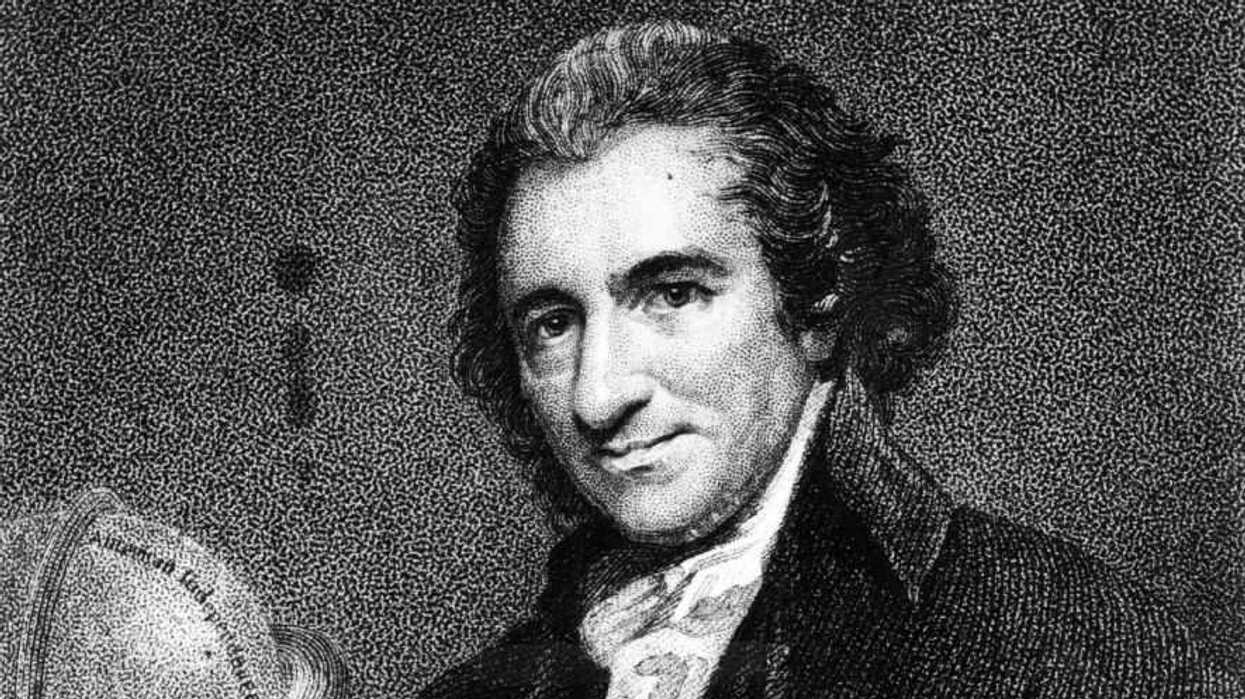

The 50501 Movement can be viewed as a 21st-century manifestation of the anti-authoritarian, pro-egalitarian framework that Thomas Paine championed in Common Sense. Both movements share a core belief in challenging entrenched power and mobilizing the collective voice of everyday people to defend democracy. By utilizing decentralized, nationwide grassroots mobilization to challenge executive overreach and billionaire consolidation, the 50501 movement directly echoes Paine’s anti-authoritarianism, his belief in collective civic power, and his demand that power remains in the hands of the people.
The 50501 Movement mirrors the spirit of Paine’s Common Sense through three primary parallels:
From "No Taxation Without Representation" to "No Plutocracy Without Resistance"
In 1776, Paine argued that monarchical rule was inherently tyrannical and rigged against the common colonist. He challenged the status quo, pushing ordinary citizens to realize their collective strength. Similarly, the 50501 Movement confronts what it identifies as a modern crisis of concentrated wealth and political overreach. Just as Paine urged colonists to dismantle hereditary privilege, 50501 calls on working-class Americans to push back against billionaire consolidation and defend their civil liberties.
Paine's Aspiration: Paine’s core thesis was a blistering attack on divine-right monarchy and unchecked executive power. He asserted that the laws and the people are sovereign, not the king. In Common Sense, Paine argued that regular working people—shopkeepers, farmers, and everyday citizens—had both the capacity and the right to govern themselves, famously declaring that "one honest man is of more worth to society than all the crowned ruffians that ever lived".
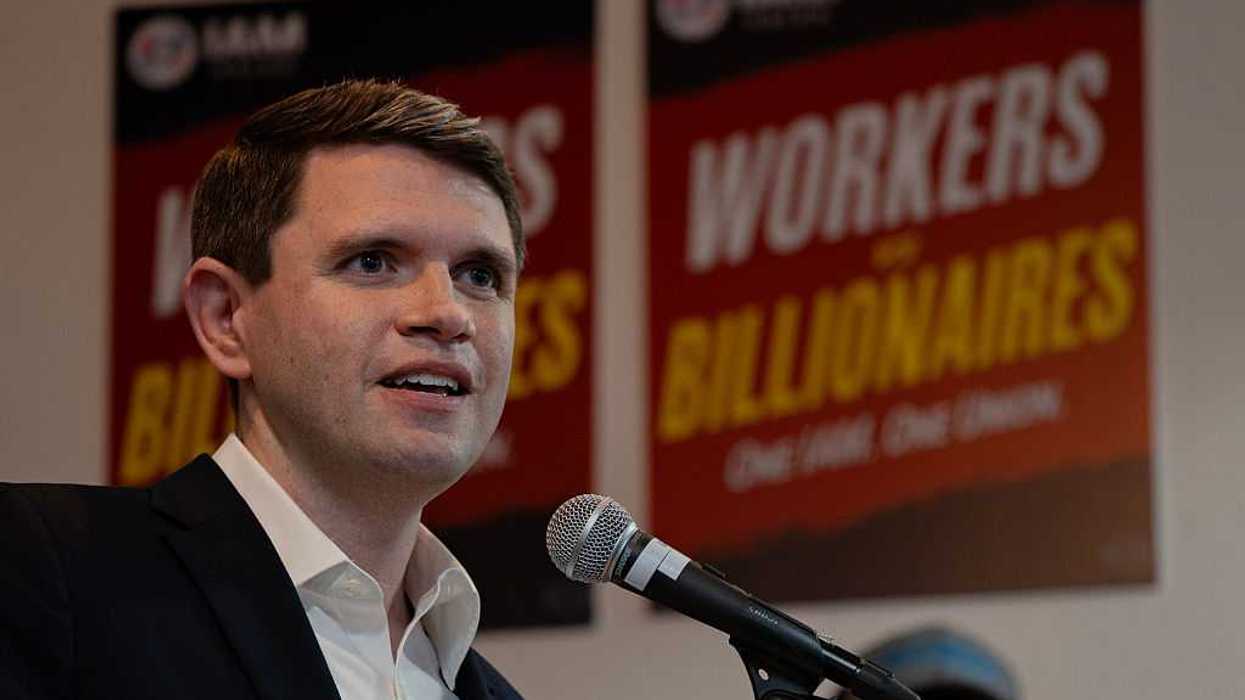
21st-Century Reality: The 50501 Movement operates as a decentralized, volunteer-led force fighting against plutocracy, the influence of billionaire donors, and an economy rigged to favor the wealthy. It champions the dignity of everyday workers against modern-day "crowned ruffians". The 50501 movement actively resists the consolidation of executive power and the advancement of authoritarian policies. Like Paine, participants argue that no leader is above the law and that democratic institutions must be protected.
Decentralized, Rapid Organizing, Grassroots Action
Paine’s pamphlet bypassed the elite political class, distributing his message directly to the public in plain language. This shift in thought allowed colonists to transform their individual grievances into a unified revolution. The 50501 Movement operates on a similar decentralized model. Organized organically through the internet and rapid-response networks, 50501 mobilizes everyday people across local communities. The strategy of holding decentralized rallies in all 50 states on a single day bypasses traditional, centralized power structures and directly mirrors Paine's democratic rallying cries.
Paine's Aspiration: Paine championed mass communication. His pamphlet spread rapidly through taverns, town meetings, and coffeehouses, read aloud to those who couldn’t read themselves. It bypassed traditional, elite gatekeepers to unite ordinary colonists behind a singular democratic idea.
21st-Century Reality: Born on social media, the 50501 campaign (originally meaning "50 protests in 50 states on 1 day") uses digital connectivity to bypass centralized institutional control. It enables millions of Americans to voice rapid, coordinated dissent.
Preserving an "Asylum for Mankind"
Paine famously envisioned the United States as a sanctuary for freedom, equality, and popular self-government—an example to the world. The 50501 Movement invokes this same aspiration. By protesting executive overreach, attacks on democratic institutions, and the erosion of due process, the movement seeks to protect those same foundational rights. Participants argue that to sit idly by while rights are undermined is to abandon the republican promise that Paine helped forge.
Paine's Aspiration: Paine viewed the American struggle not as an isolated colonial grievance, but as a global experiment. He believed America could serve as an "asylum for mankind".
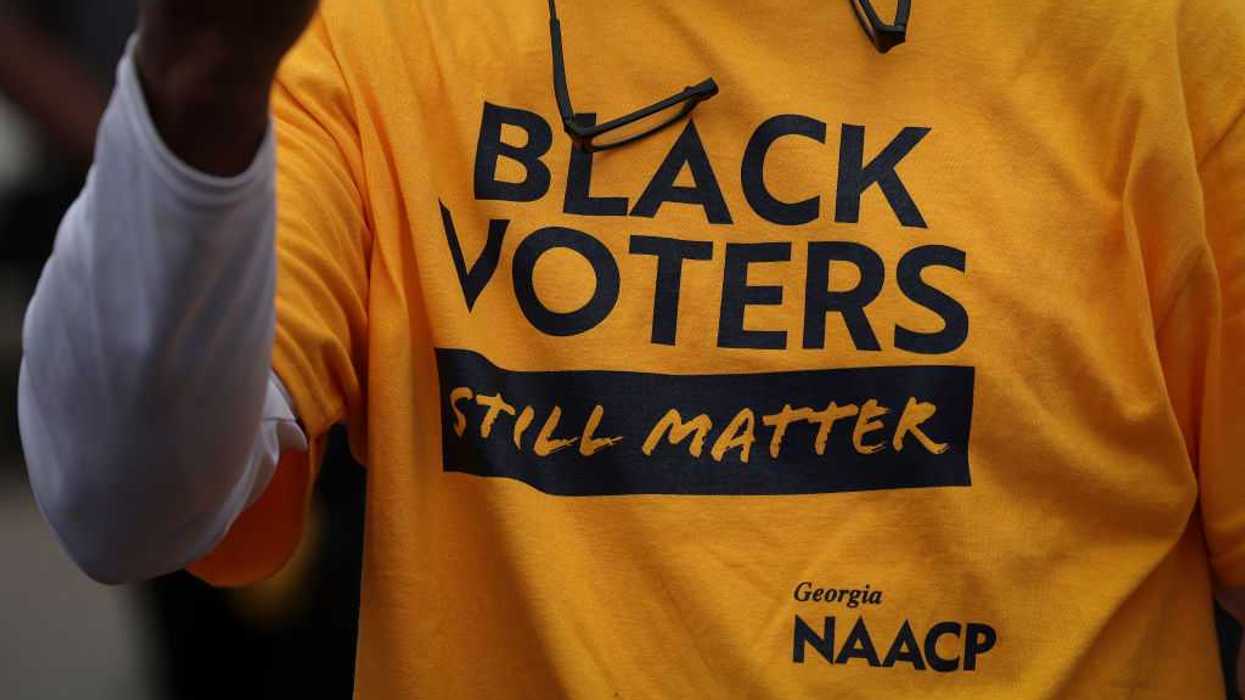
21st-Century Reality: The 50501 coalition is deeply inclusive, protecting civil liberties for all. It works to safeguard the rights of immigrants, LGBTQ+ individuals, and marginalized communities against state-level assaults.
As Americans reflect on the nation's ideals, the 50501 Movement can be seen as a modern continuation of what Paine called "the cause of all mankind": the ongoing struggle to ensure that "We the People" remains the ultimate check on executive overreach and inequality.
Hugh J. Campbell, Jr., CPA, is a Governance, Risk & Compliance (GRC) professional and a student of W. Edwards Deming, the American statistician often credited as the catalyst for the Japanese economic miracle after WWII.