
As part of a collaboration between The Fulcrum's NextGen initiative and Made By Us, The Fulcrum is publishing Letters to America, a series created through the Youth250 project that invites Gen Z to reflect on the nation’s past, present, and future as the United States approaches its 250th anniversary.
Juneteenth. The nation’s 250th anniversary. Two celebrations of freedom, arriving in a season where many of us are quietly wondering whether we feel “free” at all. Our citizens are living through conditions that resemble the very terms that nearly caused our divorce. Economic freedom wanes. Our own citizens are somehow being terrorized. Elites and their technocratic allies advance their priorities while ordinary Americans absorb the fallout. Candidly, an anniversary only means something if the relationship has been maintained. No one gets credit for 250 years of marriage when the work stopped decades ago. So before these milestones arrive, we must ask ourselves: how committed are we to actualized democracy?
I grew up believing that my peers and I were the next iteration of the American experiment. That my unique life experience would augment the quest for a “more perfect Union.” Now, as I approach my three-decade mark, I find myself at an impasse. Academia taught us that, as Americans, we are inherently free. Free to express our minds, free to elect representatives who capture our voice. The truth is harder to sit with: democracy was an idea our citizens never fully enforced. We inherited the deed to a house, enjoyed every amenity, and assumed it would need minimal upkeep.
Part of the problem is the modern connotation of the word itself. We’ve become desensitized to the notion of “democracy.” For some, it’s a symbol of government, for others an affiliation with party politics. It’s been used to sell so much for so long that it stopped registering as something we’ve always owned. Try replacing it with “individual agency,” your actual ability to shape the conditions of your own life, and the stakes get more dire. Each rollback of voting rights or increase in executive power is a withdrawal from your account. So is watching the 1% get richer while your paycheck covers less than it did last year. Imagine asking permission to spend your own money while every transaction that clears covers someone else’s rent.
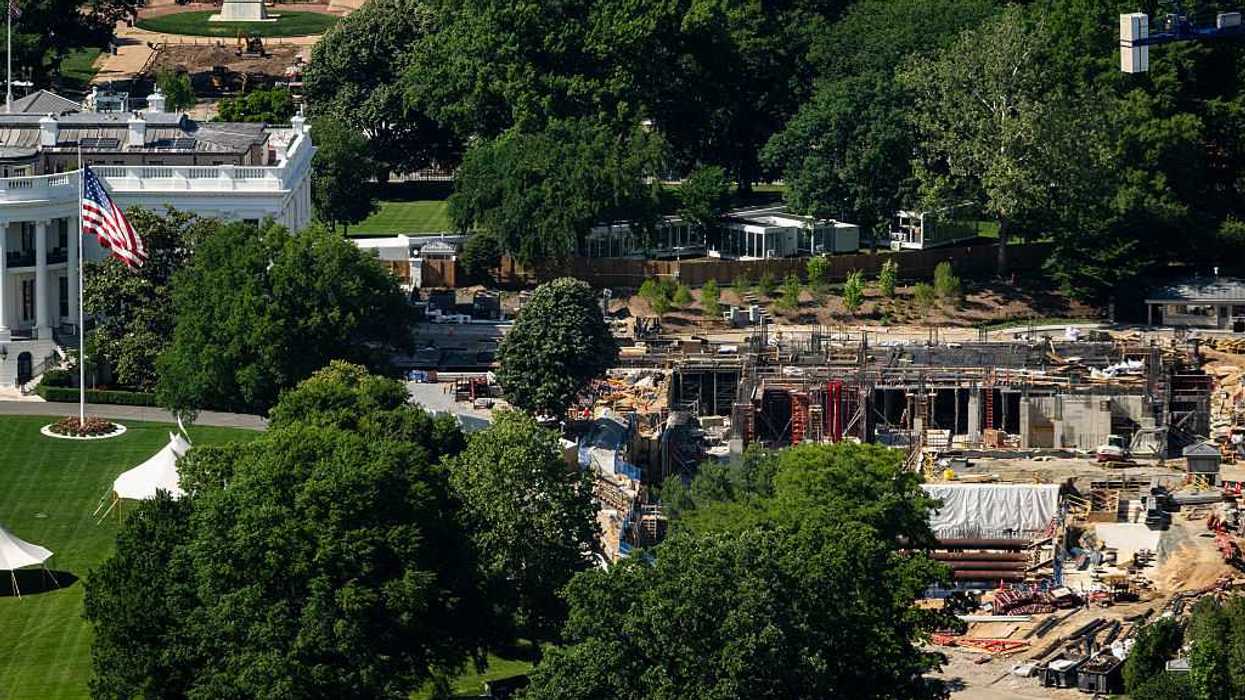
So what changed? The political process became something we followed rather than nurtured. Not long ago, conservatives balked at federal overreach, the mention of reparations, and excessive government spending. The narrative looks very different today. Federal hands reaching into state elections. Billion-dollar proposals that serve the connected rather than the public. The White House itself altered with little accountability, few guardrails, and no consideration for the citizens it was meant to serve. We didn’t sign anything over. We just stopped opening the statements. We politicized the process until participation shrank to picking a side once a year and arguing about it the rest of the time, and a withdrawal nobody reviews clears every single time. The people who benefit are counting on exactly that. We gave away our agency for no incentive, and we continue to, quite literally, pay the price.
So at what point did we, as Americans, decide we were powerless? Who told us we weren’t already free? Powerlessness was never announced. It was marketed gradually until it felt like the natural order. Remember that “we’re not going back” was never just a slogan. It was meant to be a boundary. Black southerners like my grandparents understood that long before it became a chant, navigating a freedom issued with conditions and learning to read the fine print the country pretended wasn’t there. They had every documented reason to believe they were powerless, yet they enforced their freedom anyway. That instinct is an inheritance, available to anyone who still believes their voice carries weight.
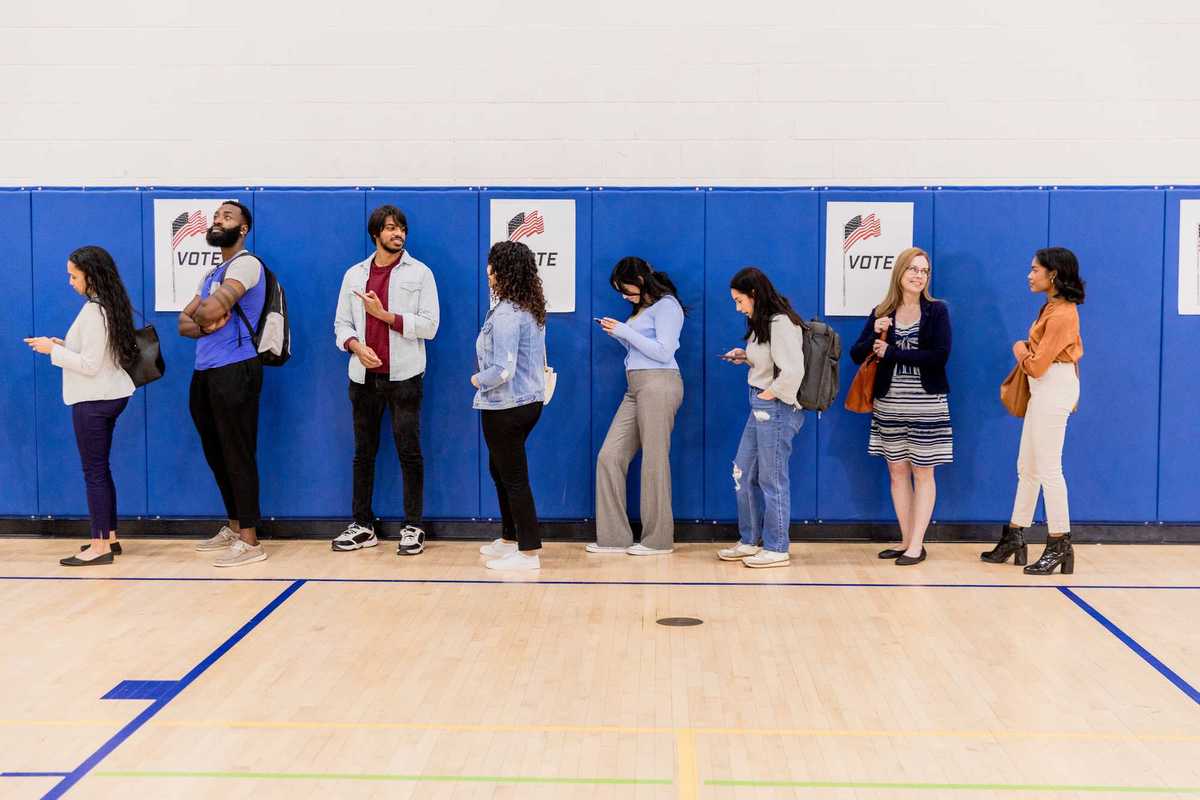
In a few days, grills will fire up and fireworks will go off either way. What’s actually undecided is whether we show up to our 250th as people who hold the deed or people still waiting on a landlord who was never coming. Ownership is unglamorous, and the upkeep is constant. It looks like knowing your state legislators by name, since that’s where most decisions about your daily life actually get made. It looks like reading the full ballot before election day, instead of in the parking lot. It looks like sitting through a school board meeting or a public comment period, the rooms where agency gets exercised or quietly forfeited. But maintenance is the difference between an anniversary and a postmortem.
Nobody is coming to hand you your freedom, because it was never anyone’s to take. It’s been sitting in your name this whole time.
So again I ask: who told you that you weren’t already free? No matter what your answer may be, they never truly had the authority to.
T. Malik Ross, 29, Jackson, MS