
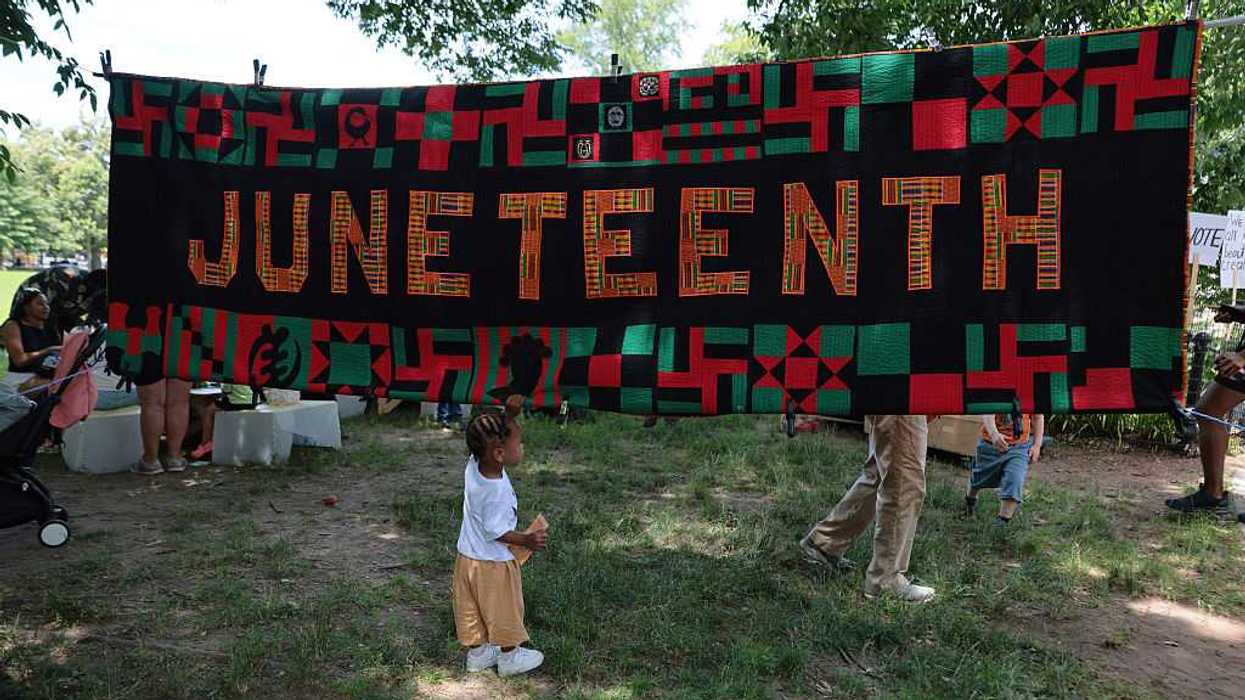

Juneteenth is not merely a commemoration of June 19, 1865, when Union soldiers arrived in Galveston, Texas, and announced to the last enslaved Black Americans that they were free, more than two years after the Emancipation Proclamation. What began as local community gatherings to mark the end of slavery has evolved into a national holiday, with traditions including parades, prayer services, family reunions, and reflection on the enduring struggle for freedom. Juneteenth serves as a mirror held up to the nation, compelling us to engage in self-examination. What have we been? Who are we? What might we yet become?
As the United States approaches its 250th anniversary, we are called to celebrate a quarter-millennium of democracy. Yet, what form of democracy are we being asked to honor? Is it the kind that repeatedly inscribes the word “liberty” only to erase it through violence? Or is it the kind that confronts its own failures and strives toward a justice that has been too long deferred?
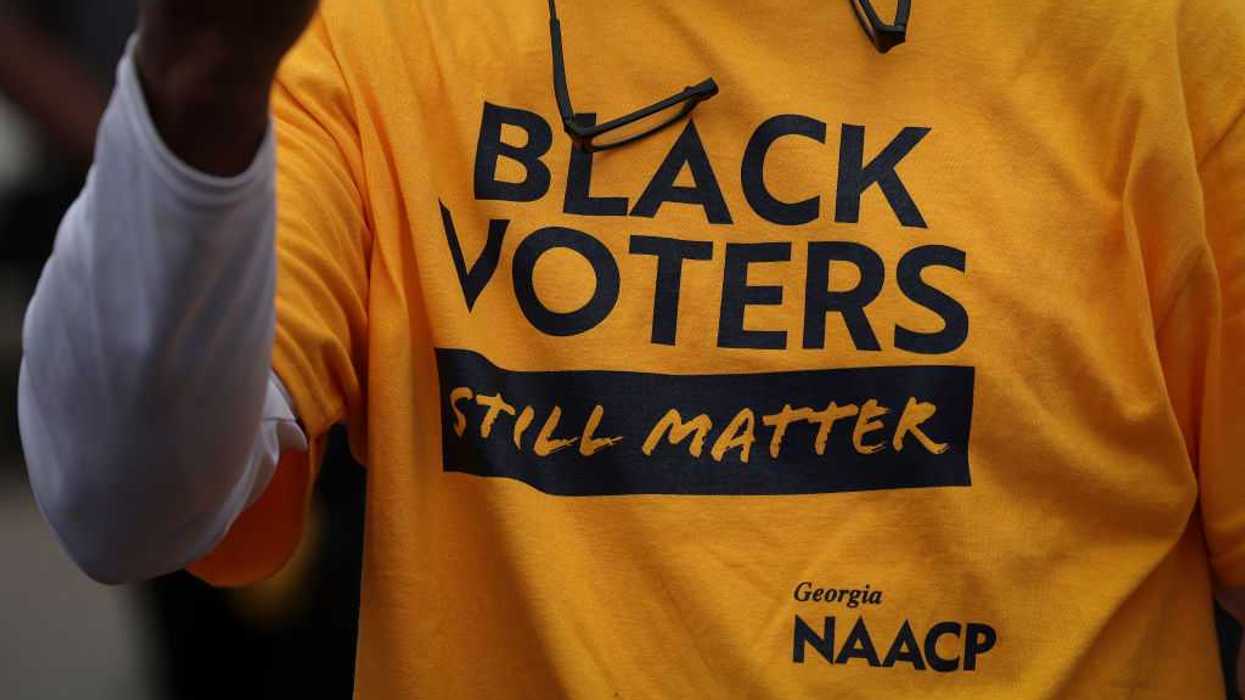
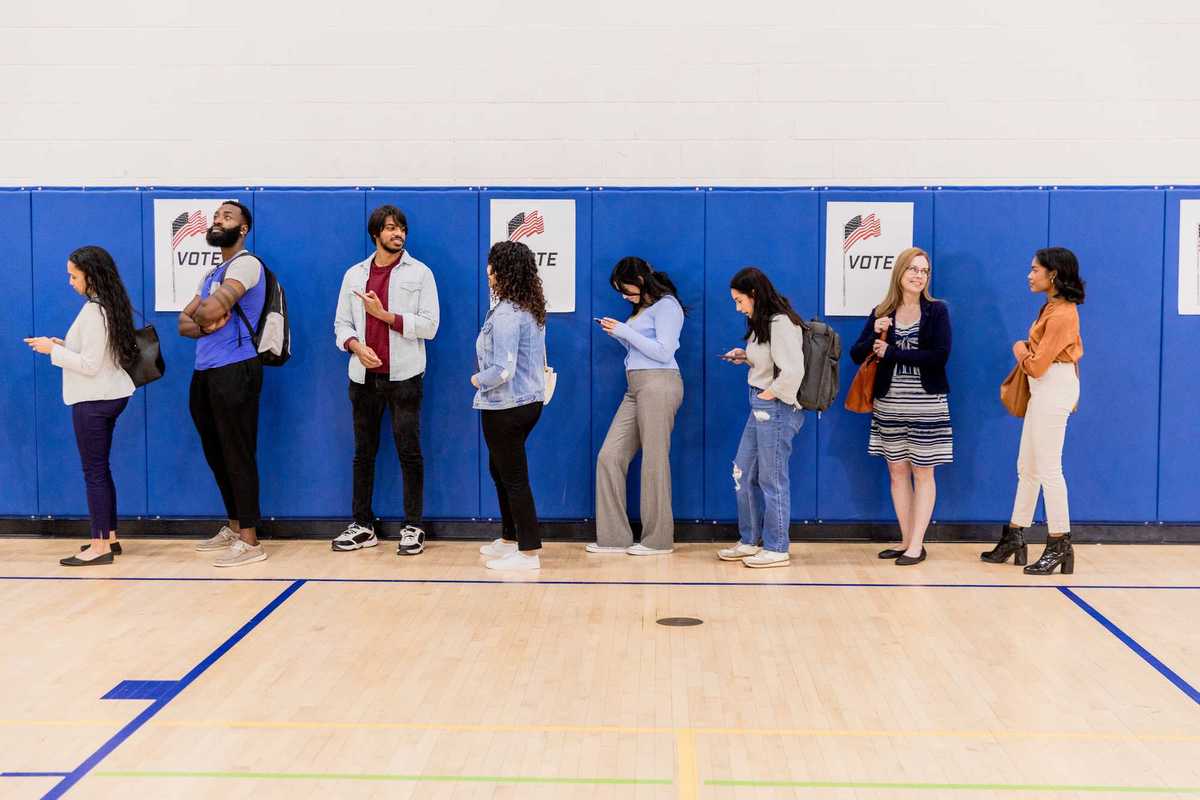
The attacks on democratic rule and practices observed today are not unprecedented. Such actions are as old as the Republic itself. Familiar tactics, such as voter suppression at the ballot box and systematic rollbacks of civil and electoral rights, consistently target marginalized groups. For instance, this year, several states enacted laws restricting early voting hours and limiting the use of mail-in ballots—measures that disproportionately burden communities of color and working-class voters. These are not isolated incidents of bigotry or cynicism; rather, they are foundational elements of a society that has never fully reconciled its founding contradictions. Regrettably, this has been a persistent pattern in American history.
We observe state legislatures systematically eroding the hard-won gains of the Civil Rights Movement, witnessing historical patterns of exclusion reemerge in contemporary forms. The ongoing exclusion of Black, Brown, Indigenous, poor, and immigrant voices from public discourse demonstrates that the mechanisms of denial remain active and effective, continually undermining progress. Nevertheless, delayed is NOT denied. This is the enduring lesson of Juneteenth.
This lesson has left a profound impact on those who believe in a freedom they have yet to experience. It is reflected in the persistent conviction that the arc of the moral universe bends toward justice, but only through collective effort. The narrative of Juneteenth is not one of arrival; rather, it is a historical account of prolonged, agonizing, and unjust waiting. Juneteenth also embodies a community’s faith—a steadfast belief that refused to be constrained by legal limitations. Their story demonstrates that the promise of America has always been contested, that the work of democracy remains ongoing, and that progress has consistently been met with resistance from those intent on denying others.
As the nation prepares to celebrate its 250th year, we must avoid indulging in sentimental narratives about progress. We should not conflate patriotic pageantry with genuine justice. Instead, we ought to confront the discomfort that Juneteenth evokes and critically examine how democracy can be claimed when many individuals continue to struggle for recognition, representation, and freedom.
To genuinely honor the spirit of Juneteenth, we must undertake the following actions:
- Acknowledge the falsehood that delayed freedom constitutes true freedom. Justice that arrives belatedly inflicts harm.
- Defend the right to vote with the same determination as those who seek to undermine it.
- Commit to a rigorous honesty regarding the ways in which race, class, gender, and other differences are exploited to create division.
- Recognize that democracy is not a passive inheritance but an ongoing obligation that must be renewed, protected, and expanded by each generation.
Juneteenth is not solely a Black American holiday; it is a national historical observance. It provides an opportunity to assess the gap between national promises and realities, and to solemnly celebrate while acknowledging the ongoing pursuit of freedom.
Delayed is NOT denied. However, delay is not without consequence; it is a wound that persists and a debt unpaid. Juneteenth challenges us to undertake the demanding work of democracy, not only for ourselves but also for all who have waited, and continue to wait, for the realization of freedom’s promise.
Rev. Dr. F. Willis Johnson is a spiritual entrepreneur, author, scholar-practioner whose leadership and strategies around social and racial justice issues are nationally recognized and applied.