The Fulcrum is committed to nurturing the next generation of journalists. To learn about the many NextGen initiatives we are leading, click HERE.
We asked Gabriela Quintero, who will be attending Barnard College at Columbia University in the fall and is a member of the Fulcrum Fellowship cohort, to share her thoughts on what democracy means to her and her perspective on its current health.
In America, I grew up knowing that the freedom to vote was normal — the freedom to practice any religion, to protest, to voice my opinions, and to live an honorable life wasn’t just a privilege, but a right.
But I also knew democracy wasn’t a given.
In 2025, global freedom is on a deteriorating path for the 20th consecutive year, according to Freedom House’s 2026 Freedom in the World report released just this past March. This is evident through large declines in some of the world’s strongest democracies, including the United States, which dropped by three points in just this past year.
Growing up in South Florida, I felt the waves of injustices faced by everyday civilians. I grew up surrounded by hard-working immigrants who celebrated their multitude of cultures, who came to the U.S. to find freedom for themselves and their families, and succeeded.
My mother always spoke about how we weren’t necessarily lucky to have come to the U.S.; we had followed God’s plan for our family. When we became citizens and stood to recite the pledge of allegiance, my mother did so with pride, just as she had once sung Colombia’s Juramento a la Bandera.
But her experiences with democracy in Colombia made her believe that corruption isn’t supposed to come with the global political experience, that continuously voting and fighting for one’s dignity is something that democratic government should reflect, no matter what.
54 countries experienced a deterioration in their protection of political rights and civil liberties, and Reporters Without Borders reported the lowest average global score in the 25 years of the World Press Freedom Index.
Globally, religious freedom is on a deteriorating path, evidenced by some of the world’s authoritarian powers such as Iran, China, North Korea, and Russia, according to the McCain Institute Human Rights and Freedom program’s 2025 Religious Freedom report.
When you grow up thinking democracy comes naturally, you fail to realize that it needs to be protected.
Concerns for voting fraud, threats on the lives of electorate candidates, and the prevalence of armed military guerrilla groups proved to people like my mother that one must fight for democracy.
But, a poll from the Pew Research Center found that across some of the world’s leading powers, only an average of 35% of adults say they are satisfied with their democratic experience. 64% are dissatisfied with the way democracy is working within their countries.
When my mom came to the U.S., she had a vision of protected freedoms, a right to an honorable life where buying a home and raising her children in a free society was made easy. But after 16 years, she has come to realize that her role as a constituent, as a voter, is no different than before.
However, the U.S. and other democracies around the world are facing a large problem that impacts the state of government everywhere; voter turnout is on a global decline.
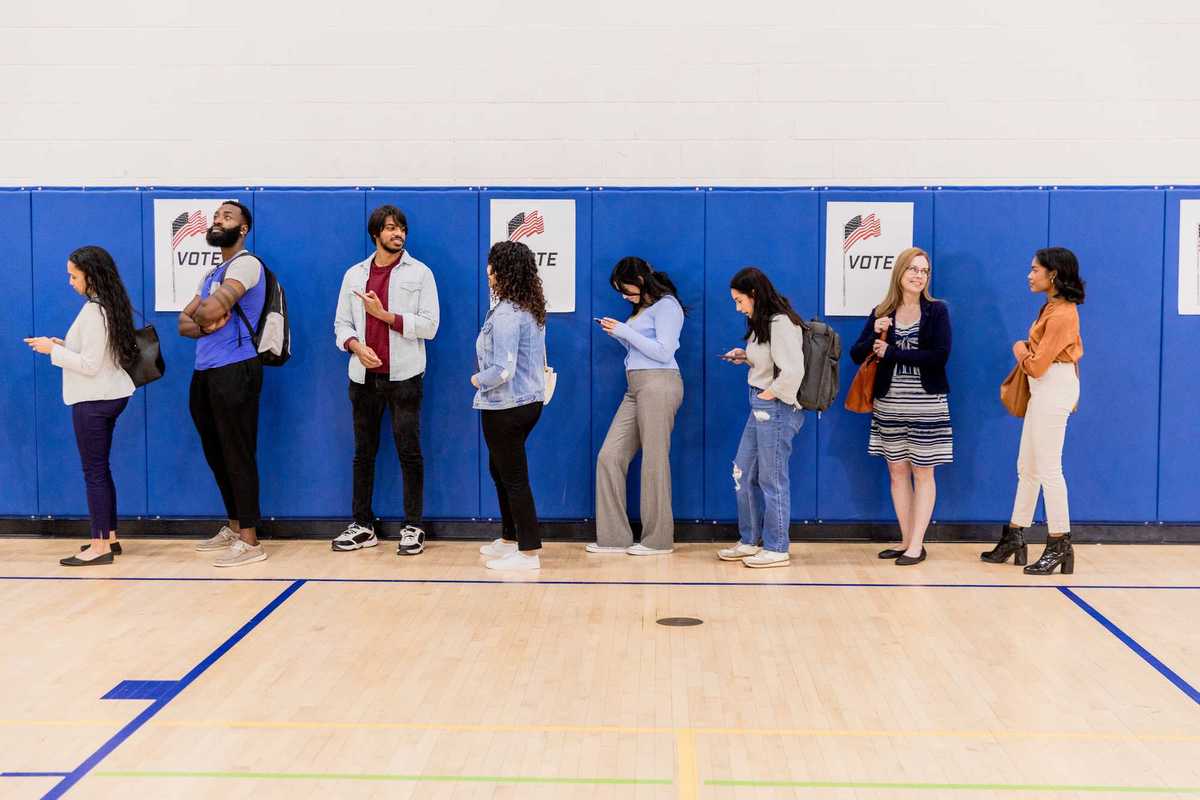
In the U.S. specifically, only 47% of youth turned out to vote for the 2024 presidential election, which, although it is an increase from the 2016 election, is still low for a well-functioning democracy.
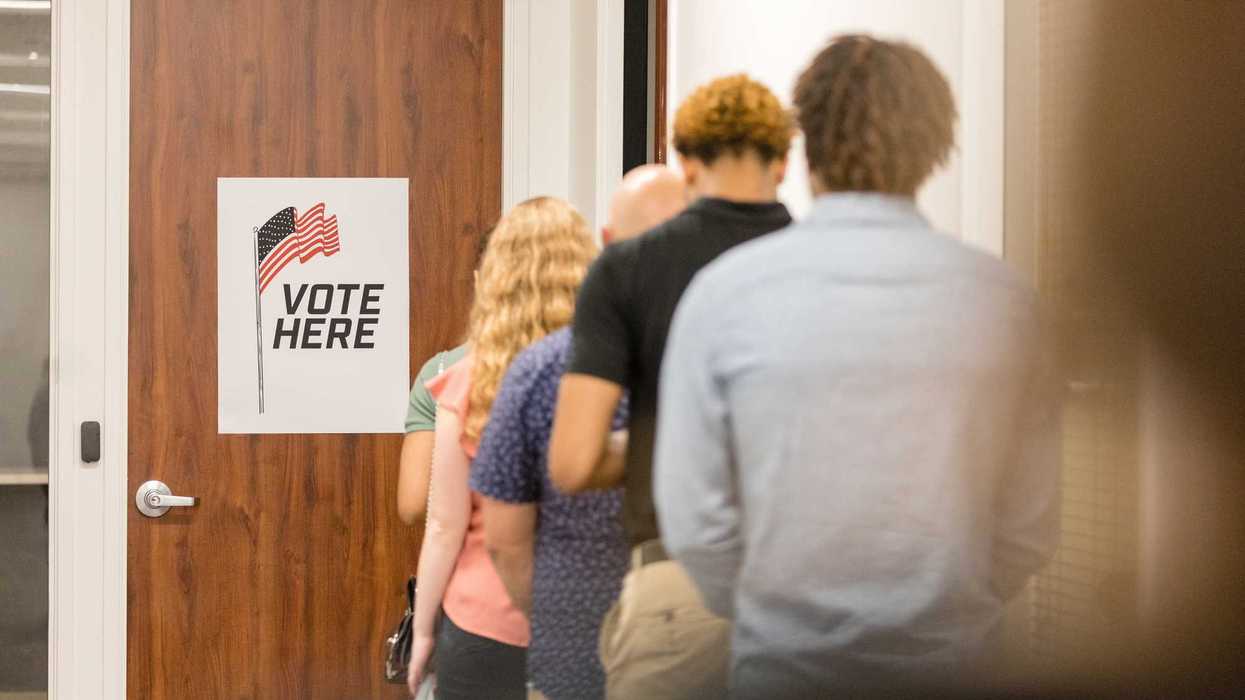
But voting isn’t always easy and accessible. For voters with disabilities in the U.S., voting has proven to be difficult, but with recent attacks on vote-by-mail options, although unsuccessful, these voters are scared that their role in elections will continue to be limited.
Other problems with voting accessibility, including the limit on same-day registration, attacks on early voting options, and federal cuts to electoral security programs, are also raising concerns about the state of democracy in the U.S.
So how do we make sure to safeguard democracy?
With the help of national electoral research labs and organizations, such as the Voting Rights Lab, the University of California, Los Angeles’s Safeguarding Democracy Project, and proposals to increase voting in the U.S. — safeguarding democracy is not at an end.
But in order to promote a strengthened democracy, younger voters and constituents need to take part in advocating for their rights. Whether that be through exercising their right to protest against local injustices, or taking to the polls for national and local elections — safeguarding democracy takes a village, or in this case, a nationwide effort.
Democracy isn’t just defined by the fruits of its presence, by the freedoms it encompasses — it is defined by the power of the people to uphold it, by a willingness to not just protect these rights for themselves, but for everyone.
Gabriela Quintero is a High School senior at Florida Atlantic University High School and will be attending Barnard College at Columbia University in the fall to pursue her B.A. in Political Science and English. Interested in politics, migration, policy, and culture, she hopes to pursue a career in political and cultural journalism.