




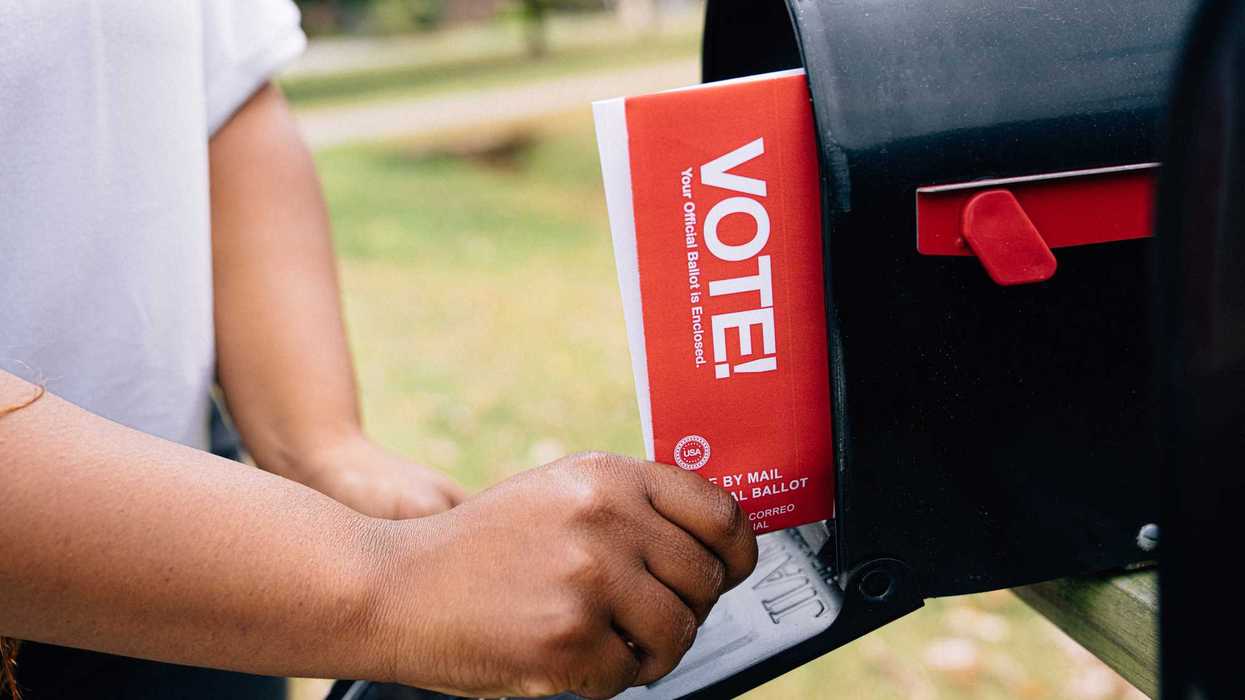

For eight months, federal investigators examined allegations involving ballot secrecy, observer rights, election records and reporting procedures in a contested union election before allowing the result to stand.
Following a disputed election within the Allied Pilots Association (APA), complaints led to a formal review by the U.S. Department of Labor's Office of Labor-Management Standards. Investigators spent months going through election records, audit logs, witness testimony and technical documentation before reaching their conclusion.
The review extended into highly specific questions and investigators examined whether a mail ballot voter's identity could be connected to a ballot because only one mail ballot was counted during part of the election. They reviewed how encryption keys were managed, whether vote records could be linked to individual voters, whether observers had meaningful opportunities to review portions of the election process and whether election records supported the procedures that had been followed.
Questions around election integrity are not unique to union elections. Similar issues surface whenever organizations are asked to demonstrate that established procedures were followed and that outcomes can be independently reviewed.
The challenge facing democratic institutions
Institutions across society operate in an environment where public confidence has become harder to maintain. Social media accelerates the spread of allegations and AI-generated content can amplify misinformation, allowing for competing narratives to emerge before a full set of facts becomes available.
Many people no longer accept assurances at face value, particularly when those assurances come from organizations directly involved in the process being questioned. Records, documentation and transparent procedures carry increasing weight when institutions are asked to explain how decisions were made and whether established processes were followed. Election challenges often hinge on whether claims can be evaluated using documented evidence and established procedures.
In 2026, the Department of Labor required ATU Local 26 in Detroit to rerun an election after some members were not properly notified and others were unable to vote. A year earlier, APWU Local 1201 in Florida was required to rerun an election after ballot mailing errors prevented eligible members from receiving voting materials. Both cases involved questions about election administration and whether election procedures had been followed as required.
The questions examined during the APA investigation extend well beyond organized labor, because institutions increasingly operate in environments where allegations can spread quickly and confidence can erode just as fast. Under those conditions, the ability to verify procedures and evaluate claims becomes increasingly important.
Election challenges place institutions under a microscope. Procedures that receive little attention during routine operations suddenly become central to determining whether members, voters and stakeholders continue to view the outcome as legitimate.
Why union elections offer lessons beyond organized labor
Union elections occupy an important place within American democracy. They are governed by federal requirements, often involve highly engaged constituencies and determine the leadership of organizations responsible for representing thousands of workers.
Recent trends have increased the pressure on election administration with workforces becoming more geographically dispersed and election disputes potentially requiring months of review. Internal governance questions that may once have remained local can now trigger lengthy investigations which come with significant legal costs.
The APA investigation touched on many of the same issues that are popping up in election disputes across every sector. Investigators reviewed observer access, voter eligibility procedures, election certifications, audit records, ballot secrecy protections and claims that election records contained inconsistencies. Some allegations were dismissed quickly, while others required months of interviews and analysis of election documentation before investigators reached a conclusion.
Election administrators often focus on running a successful election, while investigations typically focus on how decisions were documented and whether procedures can be independently reviewed months later. The ability to answer those questions increasingly shapes how organizations respond when outcomes are challenged.
Building institutions that can withstand scrutiny
Democratic governance has always depended on public confidence, but maintaining that confidence has become more difficult as information moves faster and skepticism toward institutions grows. Organizations cannot eliminate election disputes, because competitive elections create disagreement and participants will continue to challenge outcomes.
Questions around election integrity became the focus of the APA investigation only after the election ended, with issues that received little attention during routine administration becoming central months later when investigators began examining what occurred.
The APA election ultimately remained in place after investigators completed their review, but it took time. Election systems should operate with that reality in mind, and remember that challenges are a normal part of democratic governance. Organizations that preserve records, document procedures and provide meaningful transparency are better prepared when those reviews occur.
Shai Bargil is co-founder and CEO of Sequent, a provider of end-to-end verifiable digital voting technology used by governments, municipalities, unions and organizations around the world.








The President Invited Iran to Bomb My Home