

Latino immigrants and U.S.-born Latinos differ sharply in how much their identity shapes their daily lives, according to recent findings from the Pew Research Center’s 2025 National Survey of Latinos. The survey shows that Latino immigrants are far more likely than U.S.-born Latinos to say their identity is central to who they are, and that it influences their experiences in the United States. Pew researchers Gabriel Piña, Mark Hugo Lopez, Sahana Mukherjee, Dalia Fahmy, and Alexandra Cahn report that the divide reflects differences in cultural connection, lived experience, and generational distance from immigrant roots.
Pew’s analysis finds that Latino immigrants are significantly more likely to say their origins are central to their identity, while U.S.-born Latinos — especially those in the third generation or higher — are less likely to feel that connection. The report notes that “U.S. Hispanics are divided on whether their identity helps or hurts them in America,” with some respondents describing their Latino identity as a source of pride and connection, and others saying it is tied to discrimination or barriers.
The generational divide is long‑standing. Pew’s earlier research shows that the more generations removed someone is from their family’s immigrant roots, the less likely they are to identify strongly with those origins. In a 2021 analysis, Pew found that 81% of immigrant Hispanics felt a strong cultural connection to their family’s origins, compared with 71% of second‑generation and 63% of third‑generation Hispanics. “The majority of Hispanics also feel a strong cultural connection to their family’s origins,” the report states, but that connection weakens across generations.
Identity labels also shift across generations. Pew’s 2020 research found that 56% of foreign‑born Latinos most often describe themselves by their country of origin — Mexican, Cuban, Puerto Rican, Salvadoran — while only 33% of third‑generation Latinos do the same. Meanwhile, the share who describe themselves as “American” rises sharply across generations, from 4% among immigrants to 33% among third‑generation Latinos. “The terms Hispanics in the United States use to describe themselves can provide a direct look at how they view their identity,” Pew researcher Ana Gonzalez‑Barrera wrote.
The new 2026 report also highlights political differences. Pew found that Latino Trump voters are less likely than Harris voters to say being Latino is central to their lives, suggesting that political identity may intersect with cultural identity in complex ways. The survey, conducted in English and Spanish, included 4,923 Latino respondents and used nationally representative sampling methods.
Together, the findings paint a portrait of a diverse and evolving Latino community in which identity is shaped by immigration history, cultural connection, political experience, and generational change. For immigrants, Latino identity often remains a daily anchor — a lens through which they navigate opportunity and discrimination. For many U.S.-born Latinos, identity is more fluid, influenced by assimilation, geography, and the distance from their family’s migration story. Pew’s researchers note that these differences are not signs of division, but reflections of the many ways Latinos understand who they are in America.
Study Reveals Sharp Generational Divide in How Latino Identity Influences Daily Life was first published by the Latino News Network and republished with permission.
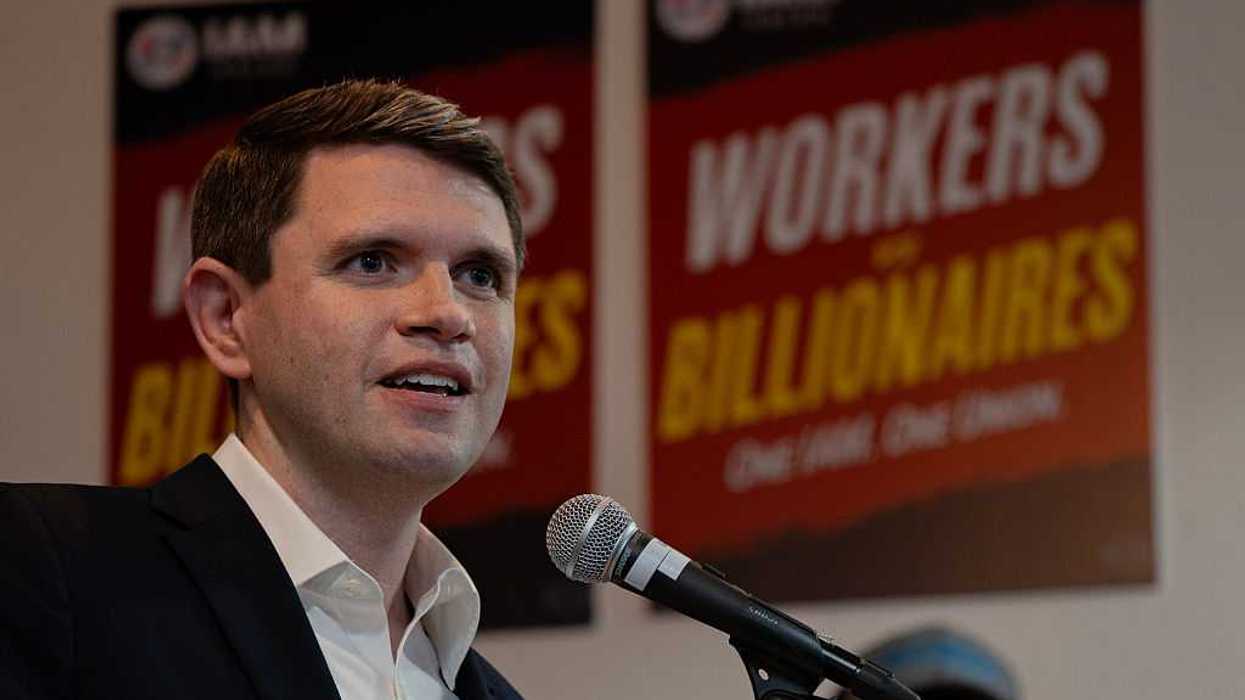











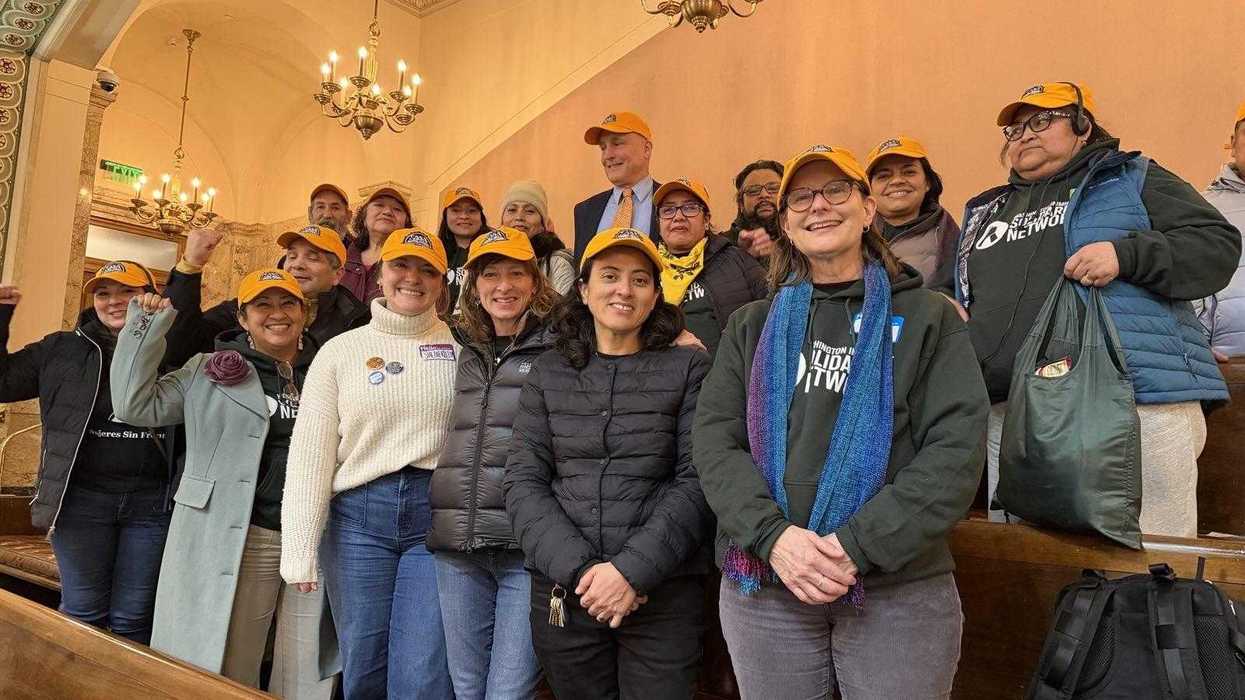
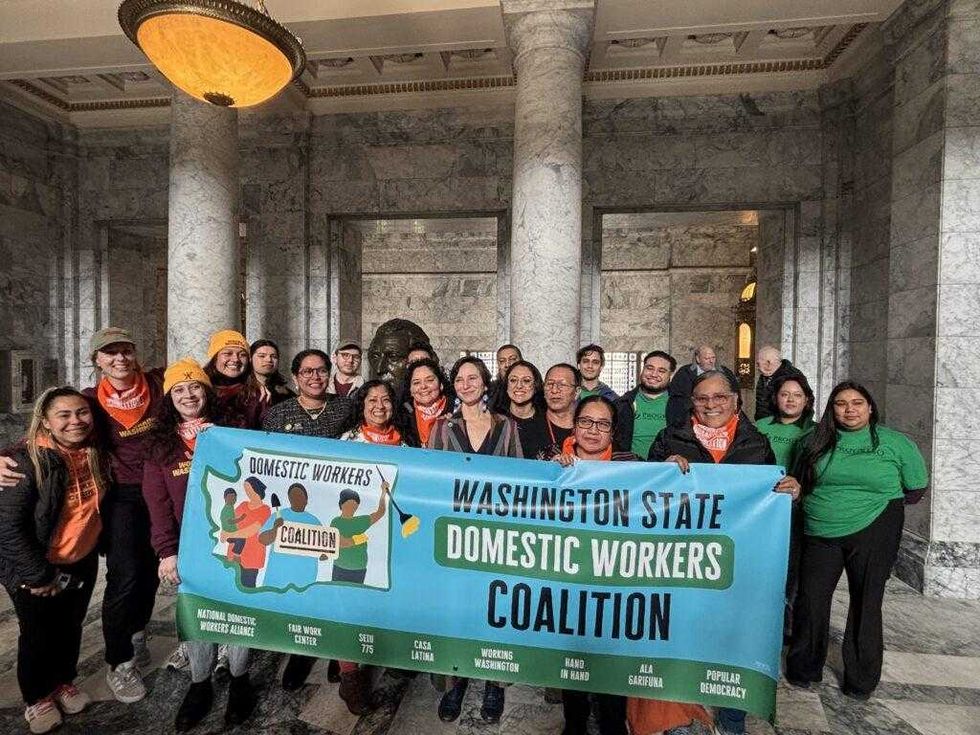 State Sen. Rebecca Saldaña, center, stands with members of the Washington State Domestic Workers Coalition at the state Capitol on Feb. 28, 2026. The Domestic Workers Bill of Rights passed in the House that day, before being signed into law in March. (Photo courtesy of Casa Latina)