



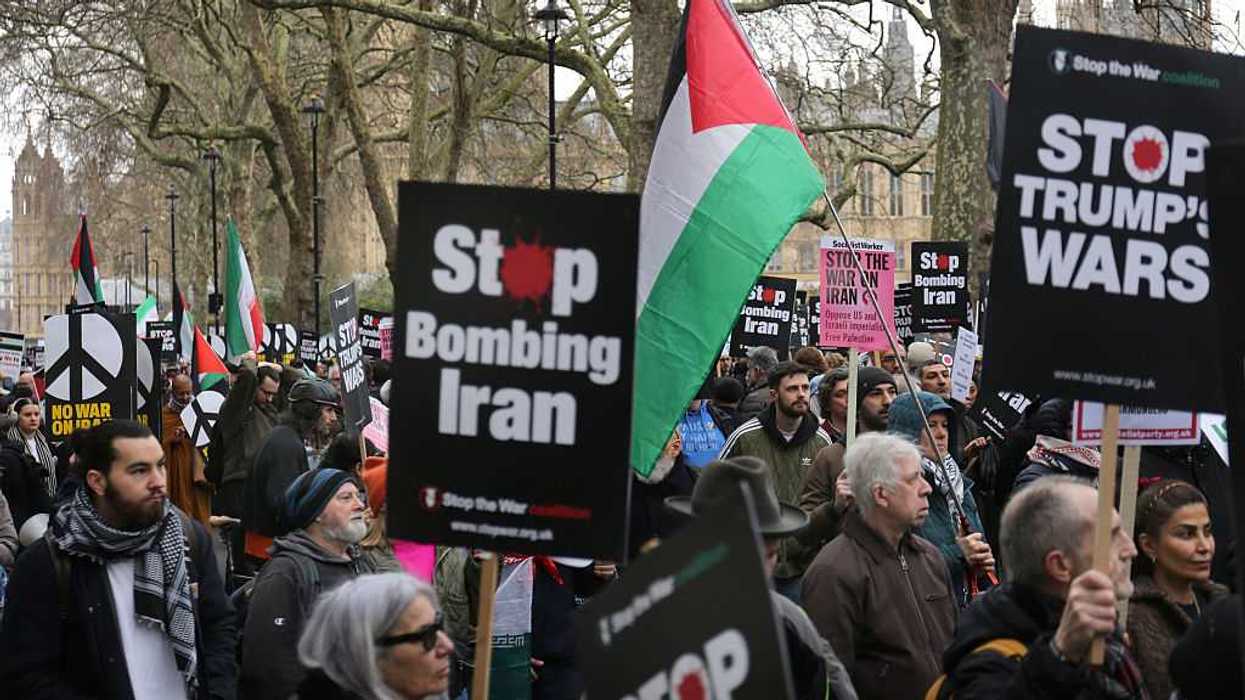

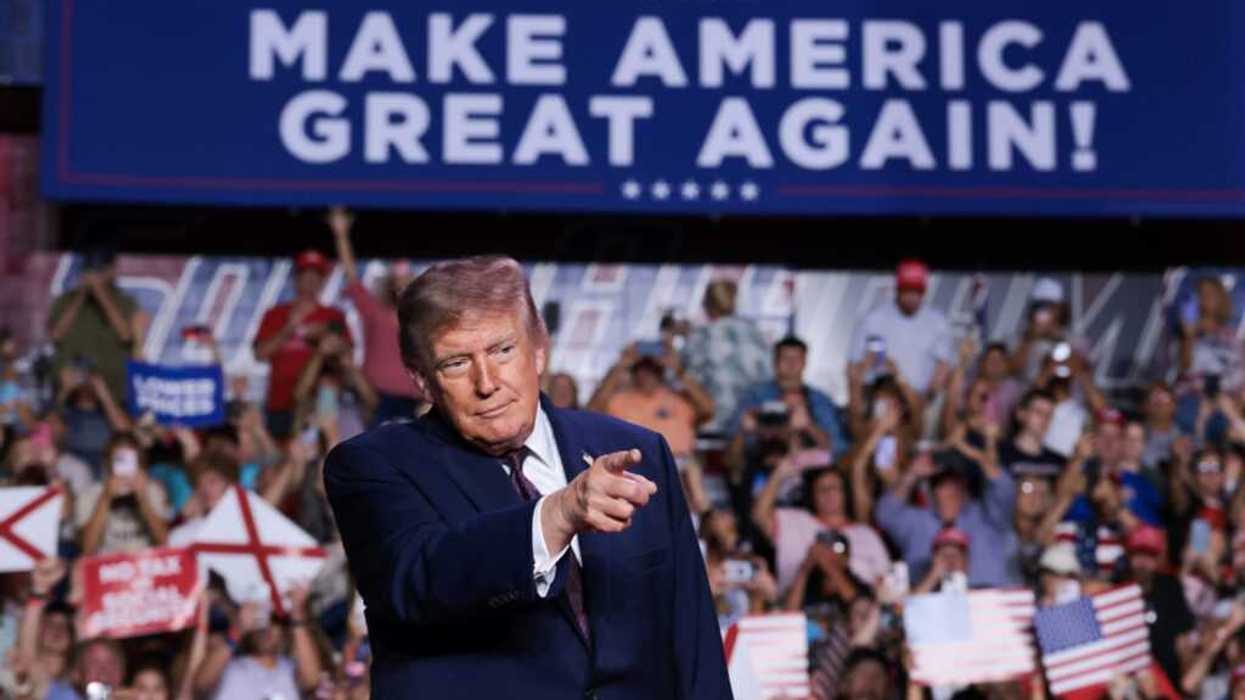
Little shocks me these days, but when I heard President Trump’s remark this weekend that after “totally demolishing” much of Iran’s Kharg Island, the United States “may hit it a few more times just for fun,” I was taken aback.
War is not fun.
Hearing a president speak about bombing “just for fun” reflects something much more troubling than rhetorical bravado. It reveals an appalling disregard for the human facts of war. A commander‑in‑chief speaking casually regarding striking a strategic oil hub “for fun” signals something deeper than excess language: a trivialization of war itself.
The Kharg comment is shocking, but it is not simply a one-time slip-up. It fits a long pattern in which Trump and senior figures around him frame war as spectacle, dominance display, or entertainment. In the NBC interview, he boasted that U.S. strikes had “totally demolished” most of the island and suggested more might follow, even as Iran vowed retaliation and global oil markets convulsed. The stakes, human, economic, and geopolitical, could not be higher. Yet the mood was one of amusement. This is not an isolated phenomenon. In previous years, Trump described the 2017 missile strikes on Syria as sending "beautiful missiles," and compared military operations to "watching a movie." Other leaders have used comparable language: George W. Bush’s infamous “Mission Accomplished” speech projected a sense of spectacle after the invasion of Iraq, and Russian state media sometimes frame military actions in Ukraine with triumphalist or dehumanizing metaphors. These examples reveal a wider tendency among some political leaders to present armed conflict not as a grave responsibility, but as something entertaining or affirming of their personal power.
This is not how serious democracies talk about the use of force. War is not a fireworks show. It is not a ratings event. It is not a personal proving ground. But again and again, Trump has described military action in cinematic or recreational terms: the “beautiful missiles,” the “fireworks,” the “movie”‑like a raid. These are not slips. They are a perspective on his worldview, a view that treats lethal force as a tool of personal gratification rather than a last resort of a constitutional republic.
The danger is not just semantic. When leaders trivialize war, they erode the public’s ability to recognize its gravity. History has shown what this mindset could lead to. Political leaders who used casual or celebratory language to describe military action have sometimes paved the way for hasty decisions and prolonged tragedies. For example, the early 2000s invasion of Iraq was preceded by rhetoric that depicted the coming conflict as rapid and conclusive, only for the war to drag on at enormous human cost. In Serbia during the 1990s, nationalist leaders repeatedly portrayed military actions as symbolic victories, which stoked public support for reckless campaigns and ultimately deepened humanitarian crises. By making violence appear easy or entertaining, leaders desensitize citizens to the real costs borne by service members and civilians. They normalize impulsive escalation, weakening the democratic guardrails that are supposed to restrain a commander in chief from treating the world like a video game.
The Kharg Island remark crystallizes the problem. At a moment when the Strait of Hormuz is effectively shut, global energy markets are in crisis, and Iran is launching retaliatory strikes across the region, the president of the United States joked about bombing again “just for fun.” That is not a strength. It is unseriousness masquerading as toughness, and it carries actual consequences measured in lives, not applause lines.
A democracy cannot afford leaders who treat war as entertainment. The American people deserve a commander‑in‑chief who understands that military power is not a toy, that human beings are not game pieces, and that the awesome responsibility of war demands sobriety, not swagger.
The question now is whether we, as citizens, will treat this moment with the seriousness our leaders have abandoned. This means using the tools of a democracy: speaking out in public forums, voting for candidates who demonstrate responsibility in their rhetoric and decisions about war, joining advocacy efforts that demand transparency and accountability, and having honest conversations with friends and neighbors to challenge casual language about violence. By taking these concrete actions, citizens can assert that the power to declare and conduct war cannot be left unchecked or trivialized.
It also means strengthening our own devotion to democratic awareness: practicing media literacy, engaging in knowledgeable dialogue across differences, and staying alert to how language shapes public judgment.
A functioning democracy depends on citizens who recognize the gravity of war even when some leaders do not, and who insist that the awesome responsibility of military force be exercised with sobriety, not swagger.
David Nevins is the publisher of The Fulcrum and co-founder and board chairman of the Bridge Alliance Education Fund.











The President Invited Iran to Bomb My Home