
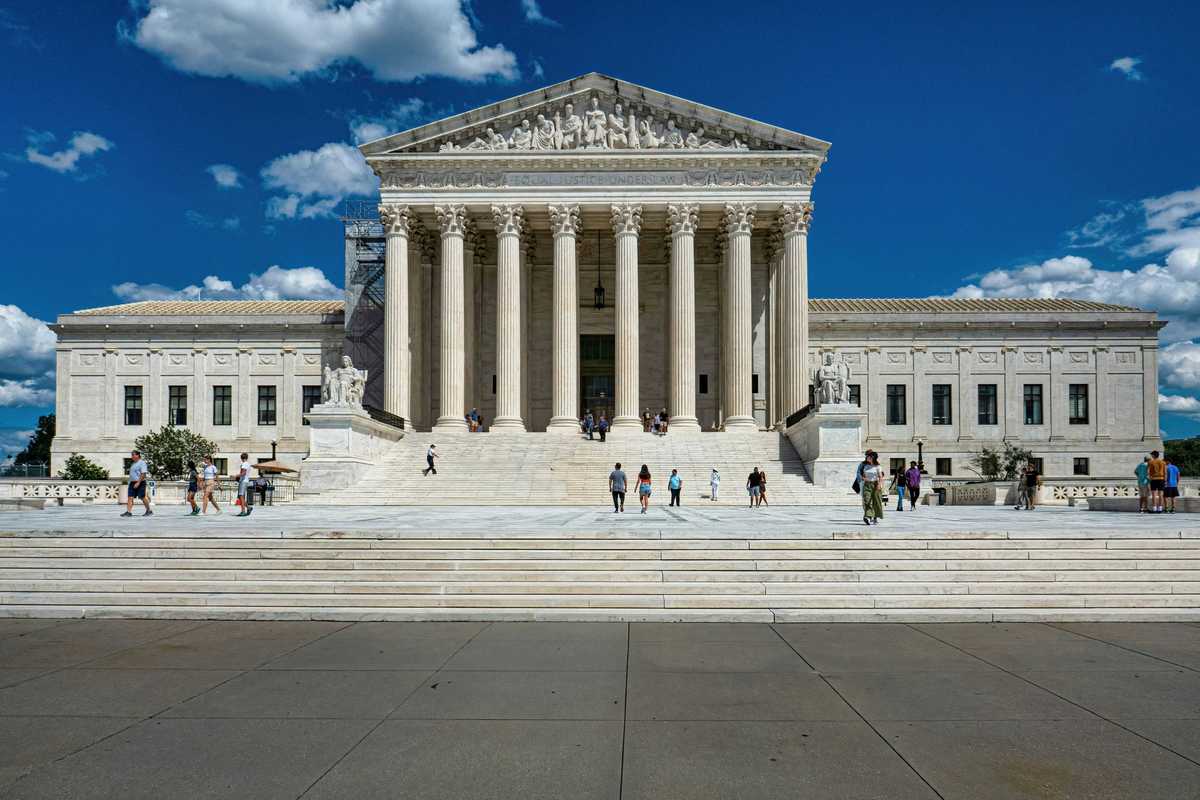



Congress and the Trump administration are locked in an escalating fight over presidential war powers as President Donald Trump continues military action against Iran without congressional authorization, prompting renewed debate over the limits of executive authority.
Julie Roland, a ten-year Navy veteran and frequent contributor to The Fulcrum, joined Executive Editor Hugo Balta on this month's edition of The Fulcrum Roundtable, where she expressed deep concerns regarding the Trump administration’s impact on military nonpartisanship and the rights of service members.A former helicopter pilot and lieutenant commander, Roland has used her weekly column to highlight what she describes as a systemic attempt to stifle dissent within the armed forces.
- YouTube youtu.be
In her March article, “Speak Now or Forever War,” Roland examined how the administration’s rhetoric creates a "chilling effect" on those still in uniform. She emphasized that while service members take a sacred oath to the Constitution, they also have a legal obligation to refuse unlawful orders.
"If you are given an order that's unconstitutional or that you believe to be illegal, the rules are stated as that you must in fact disobey that order," she said. Roland noted that this duty becomes an "impossible burden" for young recruits who may lack the legal background to identify unconstitutional commands in high-pressure situations.
Roland was particularly critical of Secretary of War Pete Hegseth, accusing him of using "violent rhetoric" that does not represent the broader military culture. She argued that Hegseth and the President have actively worked to exclude the media to avoid accountability.
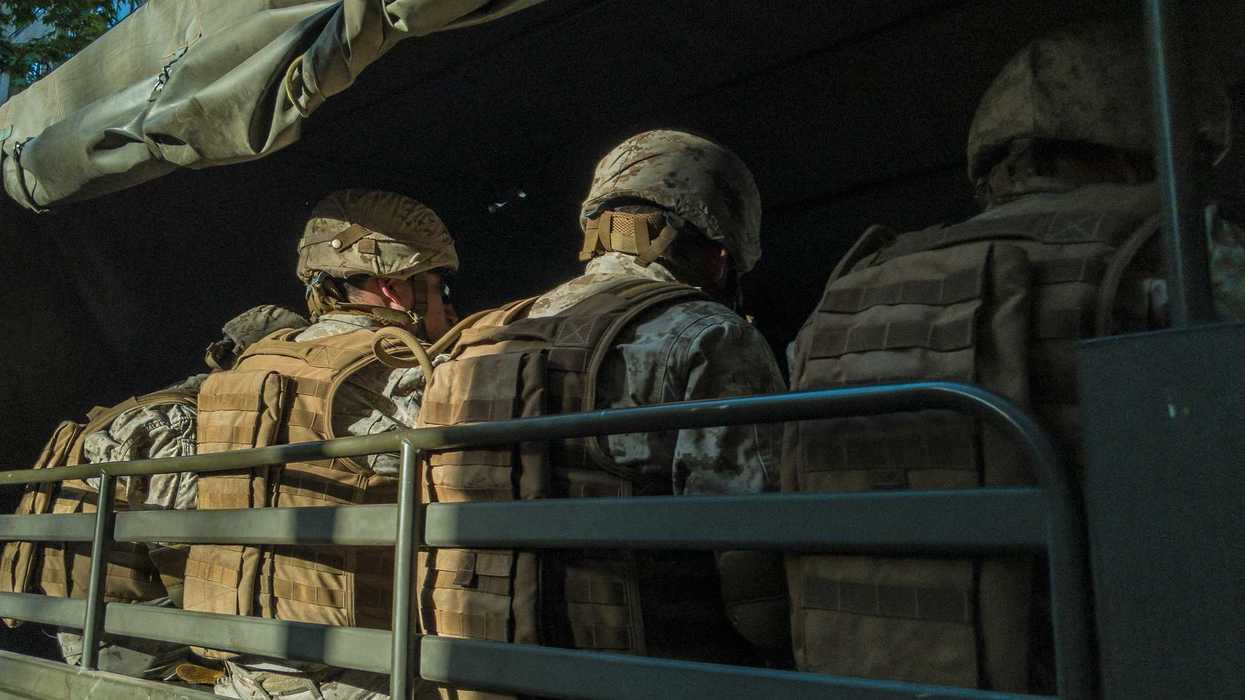
"I think there's enough evidence to suggest that between Secretary Hegseth and Trump, there's been an active effort to push the media out in order to reduce transparency and accountability of what the military is doing," she stated.The interview also touched upon the "unprecedented" deployment of troops to American cities like Los Angeles and Minneapolis. Roland argued these actions delegitimize public trust by making the military appear as a "political arm" of the Trump administration.
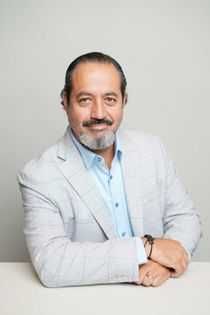
This perceived politicization, combined with low public confidence, poses a long-term national security risk by damaging recruitment and retention. Roland warned that soldiers who joined to defend the nation may become "disenchanted" when sent to deploy in American neighborhoods."The press are doing their jobs to try to have transparency... while the Pentagon seems to be, at least Secretary Hegseth seems to be, deliberately trying to not let us know exactly what's going on," she concluded.Hugo Balta is the executive editor of The Fulcrum and the publisher of the Latino News Network







The President Invited Iran to Bomb My Home