


This winter, Russia plans to freeze Ukraine into submission. According to an intercepted Russian plan, Moscow intends to use hundreds of ballistic missiles, long-range drones, and glide bombs to strike Kyiv, Kharkiv, and Odesa with such intensity that they are cut off from power, heat, and water, slashing electricity and heat by up to 90 percent and crippling sewage systems. Russia hopes that with an energy system so thoroughly destroyed, millions of Ukrainian citizens would become so cold, sick, and desperate that their country might just surrender. Deliberately attacking the heat and water of civilians is a war crime, but Moscow thinks it can get away with it. Ukraine is running short on the Patriot interceptors it needs to stop ballistic missiles, and Putin is betting Trump will continue to betray Ukraine. It’s looking like a safe bet.
Trump shows no evidence to the contrary. On October 9, he got off a call with the Russian president and then immediately lifted U.S. sanctions on Russian diesel. The next day, after Russian strikes killed at least 17 people in Zaporizhzhia, Trump announced it was “time for Ukraine to get a new president.” Days later, the American-controlled satellite network Ukraine’s military depends on was throttled without warning, knocking out service to the drones Ukraine uses to chase down Russian attack drones. Trump denied giving the order, but The Telegraph reported that Musk pitched the idea and Trump agreed.
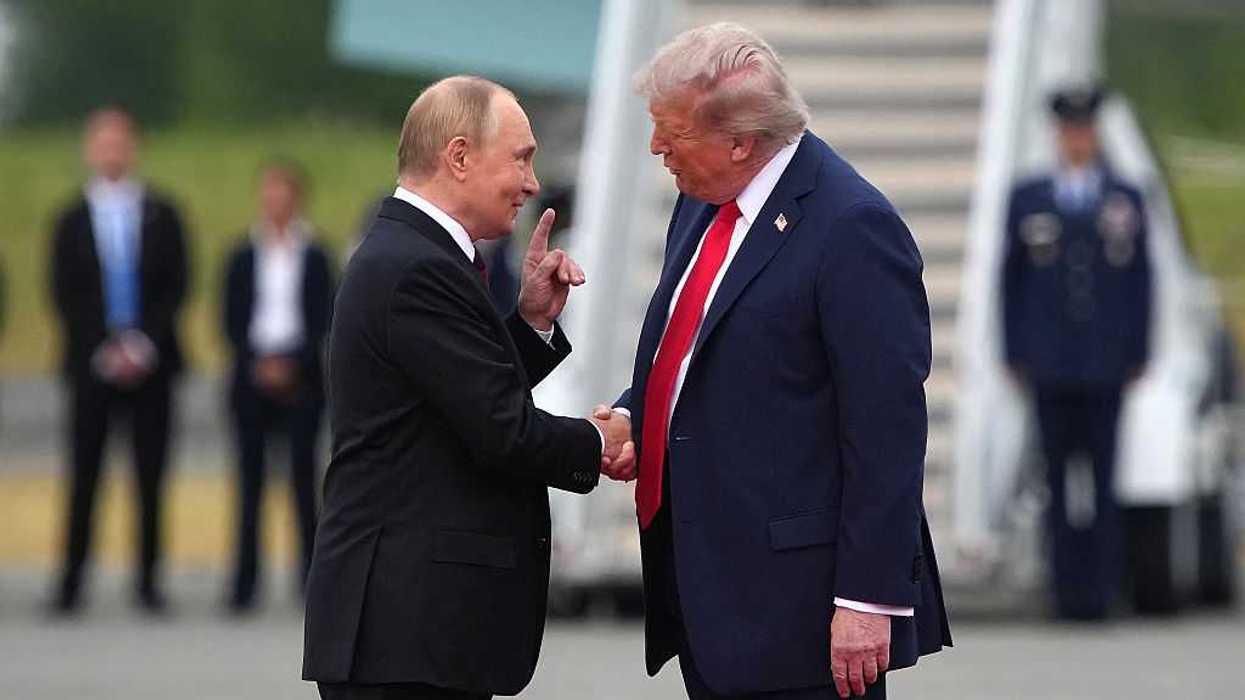
Trump chooses Putin even over himself. On September 18, Trump signed the Lindsey Graham Sanctioning Russia and Iran Act. On October 16, he waived its sanctions, two days before they took effect. The Senate passed the bill 86 to 11, the House passed it 262 to 159, and the president signed it into law, only to render his own signature worthless–all for Putin. Then he blamed Zelenskyy, claiming that the Ukrainian president “doesn’t want to end this war, and probably never did.” Trump himself promised to end the war in 24 hours. It’s been a very long 24 hours. Meanwhile, Putin’s investment envoy says Washington is already brainstorming ways to lift even more sanctions. If Congress objects while Trump is listening to Putin whisper sweet nothings, does it make a sound?
Ukraine was promised better. In 1994, it gave up the world’s third-largest nuclear arsenal in exchange for assurances that its borders would be respected. Russia signed that agreement. So did the United States. One signer broke its word by invading. The other is now helping the invader. According to The Wall Street Journal, on that same October 9 call, Putin proposed a summit with Trump and Xi Jinping to settle the war on Moscow’s terms. Ukraine isn’t invited. A former Russian intelligence officer said Putin envisions a second Yalta, where great powers carve the world into spheres of influence. This proposed meeting of the triumvirate could be the soft launch, while Europe and NATO brace themselves for impact. Germany is already preparing its hospitals for war on NATO soil.
None of this should surprise us. Ten years ago this week, in the final presidential debate, Hillary Clinton said Putin would rather Trump be elected because he wanted “a puppet as president of the United States.” She called Trump out for refusing to admit that Russia was behind cyberattacks on the U.S., saying he was “willing to spout the Putin line, sign up for his wish list, break up NATO, do whatever he wants to do.” Trump shot back: “No puppet, no puppet. You’re the puppet.” Clever rebuttal, but I’m not sure I’m convinced.
Turns out, Clinton’s warning was prescient. Spout the Putin line? Trump says Ukraine needs a new president. Sign up for his wish list? Trump continues to ease or flat-out waive sanctions on Russia. Break up NATO? Trump may attend a Yalta-style summit to redraw Europe’s map with no Europeans in the room. What does Trump get in return for doing his puppet master’s bidding? A bipartisan Senate Intelligence Committee report found that Putin approved and directed Russia’s 2016 interference to help Trump. In 2024, the Justice Department seized 32 Kremlin propaganda domains and charged two Russian state-controlled media employees with funneling nearly $10 million to an American media company. This fall, Bloomberg found Russia was using an army of bots to disseminate fake election videos against Democrats in 20 of 35 Senate races. Trump still calls it all a “hoax.”
If Putin had put a puppet in the White House, what would that puppet be doing differently? Whether Putin is pulling the strings or not, Trump is betraying our closest allies with reckless disregard for the long-term health of our nation and the world. Every country that has ever trusted an American promise is watching what happens to Ukraine this winter. So are our adversaries.
Some Republicans are waking up. Senator Lisa Murkowski said Trump should use the authorities Congress gave him instead of letting Russia rake in revenue. Senate Republicans, including Mitch McConnell and John Cornyn, signed a bipartisan letter calling the diesel deal “a gift to our adversary and a betrayal of our allies.” Representative Brian Fitzpatrick is forcing a House vote on a bill to block it, and in National Review, Andrew McCarthy wrote that Trump is giving Putin “aid and comfort,” the Constitution’s own language for treason, and demanded hearings. Just this week, a bipartisan congressional delegation held a video call with Zelenskyy where they affirmed, despite Trump’s actions, their commitment to Ukraine in ending “the slaughter in Russia’s war of aggression.” It’s a good start, but every Republican who ever praised Reagan for standing up to Moscow should put up or shut up. It’s time they reined in the leader of their party.
The rest of us have work to do, too. Call your representatives. Demand that they enforce the sanctions they passed, send Ukraine air defenses before the cold sets in, and hold hearings on this administration’s dealings with the Kremlin. This winter, Ukrainians will share generators, check on their neighbors, and refuse to break. The least we can do is pick up the phone and vote by November 3.
Julie Roland was a Naval Officer for ten years, deploying to both the South China Sea and the Persian Gulf as a helicopter pilot before separating in June 2025 as a Lieutenant Commander. She has a law degree from the University of San Diego, a Master of Laws from Columbia University, and is a member of the Truman National Security Project.