



The state of educational rights for undocumented people has been a longstanding policy dilemma that continues to have an uncertain trajectory. Its legal beginnings emerged in 1982, when the Supreme Court case Plyler v. Doe ruled against the state of Texas Education Code Section 21.031, which would have allowed school districts to deny undocumented students enrollment in K-12 public schools. In its decision, the Court noted that the Equal Protection Clause of the 14th Amendment applies to both citizens and noncitizens, regardless of lawful status.
As for postsecondary education, section 505 of the Illegal Immigration Reform and Immigrant Responsibility Act (IIRAIRA) of 1996 prohibits undocumented people from receiving in-state tuition. In addition, federal loan applications that require Social Security Numbers for eligibility—outlined on the Free Application for Federal Student Aid (FAFSA) website—render federal aid inaccessible to undocumented students, who might consequently avoid higher education or, in some cases, risk deportation after applying for aid.
Policies Affecting Undocumented Students
Multiple new policies have emerged in the past two years that may influence how undocumented students navigate the education system. Four such policies are outlined below:
- Common Sense Enforcement Actions in or Near Protected Areas Memorandum (January 2025 – Ongoing): Issued by Immigration and Customs Enforcement (ICE) Acting Director Caleb Vitello, the memo rescinded a previous ICE memo entitled Guidelines for Enforcement Actions in or Near Protected Areas (October 21, 2021). The new memo restores schools and other sensitive places like churches, healthcare facilities, and social service establishments as places where ICE can conduct raids. Due to fear of ICE apprehension, many parents are withdrawing their children from schools as a result of this change.
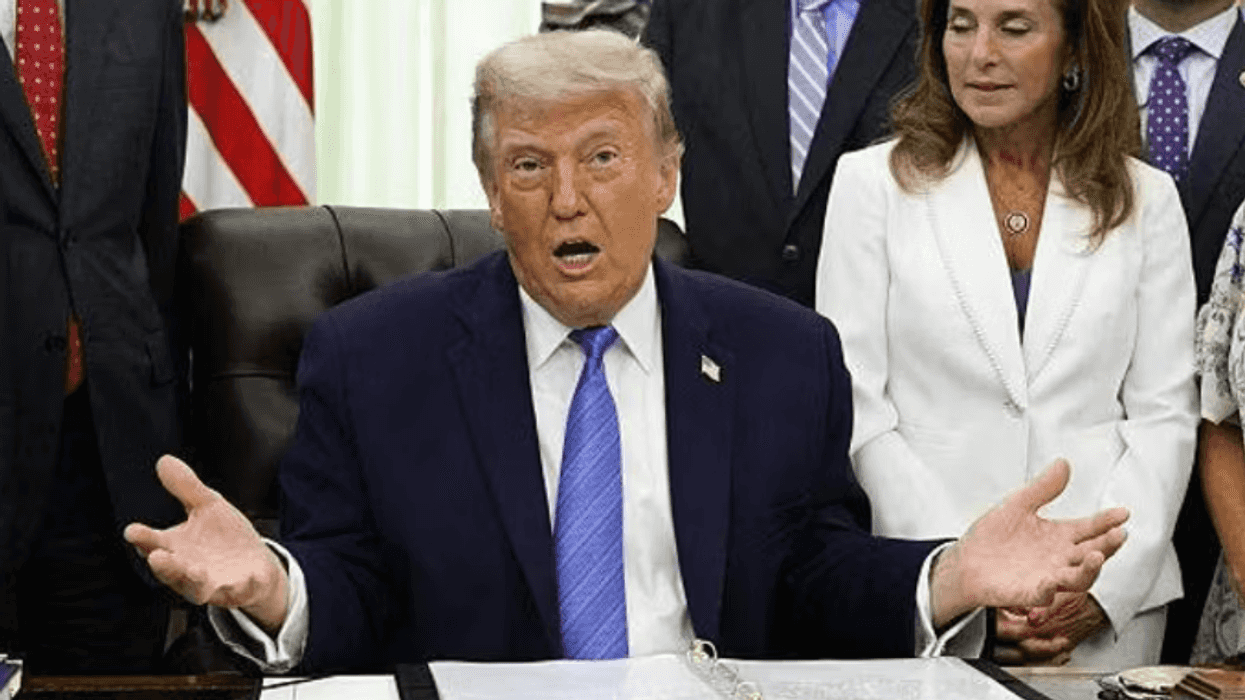
- Executive Order 14160 (January 2025 – Ongoing): Signed by President Donald Trump, the EO attempts to limit access to birthright citizenship, suggesting that individuals born to undocumented parents are not “subjected to the jurisdiction [of the United States],” but rather the country in which their parents have citizenship. The Order has been challenged in court.
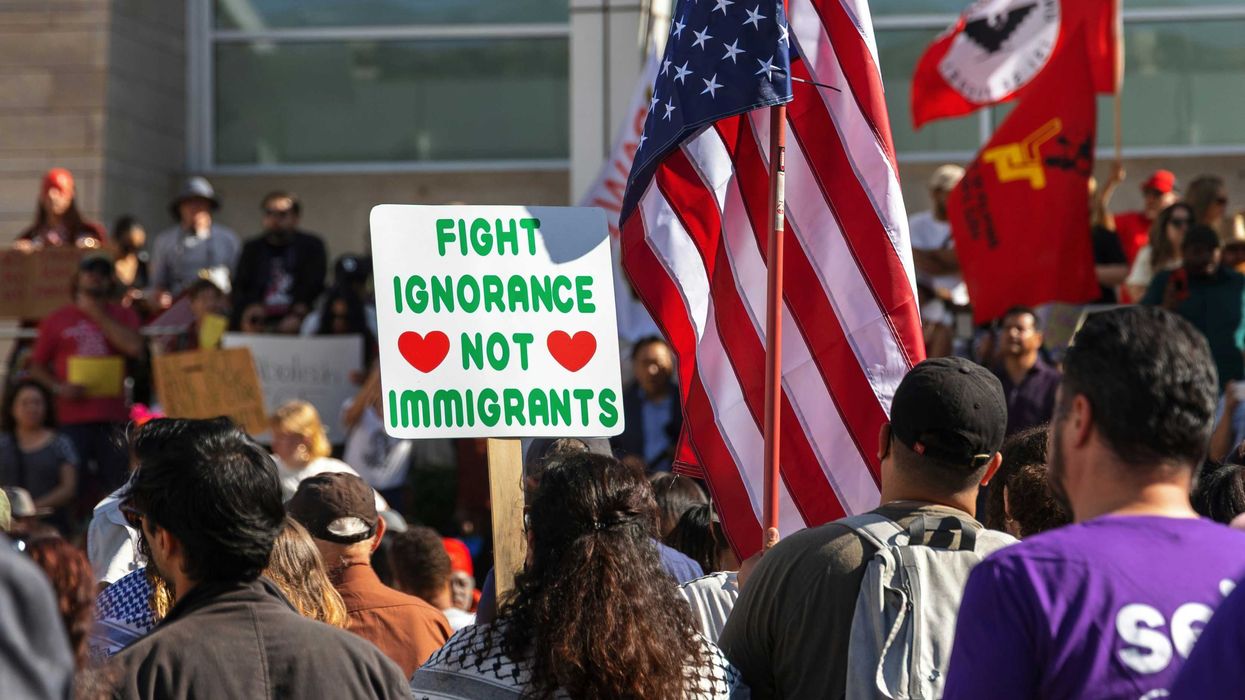
- Tennessee H.B. 793 (January – October 2025): Introduced by Republican House Majority Leader William Lamberth, the bill allows Local Education Agencies (LEA) and public charter schools to refuse enrollment for children or parents who lack legal documentation. However, schools would have to offer undocumented families the option to pay tuition out of pocket before refusal. The bill passed in the House Education Administration Committee and the House Government Operations Committee, causing mass protests, but eventually failed to move forward for the 2025 legislative session.
- H.B. 210 (February – May 2024): Introduced by Republican Representative Reed Ingram of Alabama, the bill proposed a new criterion for undocumented people seeking postsecondary education. Under the bill, three years of high school, an earned high school diploma or GED, and an application for legal status would be required to attend Alabama public colleges and universities. The bill passed in the House, 89-10 but died in the Senate.
Arguments in Favor of Equal Education Access for Undocumented Students
Increased Pathways to Legal Status
Proponents of education access for undocumented people argue that education is a key pathway to legal status, and advocate for bills that allow young immigrants to attend school. They point to proposed policies like the 2013 Border Security, Economic Opportunity, and Immigration Modernization Act and 2021 United States Citizenship Act, which would have granted legal status to those who have completed certain educational milestones, such as high school or the first two years of college, in the United States.
While these sweeping immigration bills failed to pass, they indicate the importance that education holds in lawmakers’ perspective of what qualifies an individual for protective status. Other policies, such as the Deferred Action for Childhood Arrivals, which provides temporary protection status for children who entered the country illegally, have had significant impacts. Data from the 2024 Center for American Progress survey report shows 62.8 percent of DACA recipients completed a bachelor’s degree or higher. The report also found 94.9 percent of DACA holders were employed or in school. Without such measures for undocumented people to have education, those in favor argue that legalization becomes increasingly difficult.
Economic Benefits and Upward Mobility
Postsecondary education also offers access to higher-paying jobs, which offer upward mobility for undocumented people and bolster the economy. Due to their lack of legal status, many undocumented people in the United States have little choice in their career paths, and work low-wage jobs that not only limit their economic mobility but also put them at risk of exploitation. Given the high incidence of labor rights violations targeted at undocumented workers, including child labor and modern-day slavery, advocates say education is a pathway toward more formalized workplaces with better protections. Cases of worker exploitation often go unreported due to fears of deportation. Without a secure pathway to higher earnings, advocates say, this cycle continues.
Equal Entitlement to Public Education
Finally, proponents highlight that undocumented migrants pay billions in taxes every year, and thus argue that they deserve the same access to public education as other taxpayers. A July 2024 report from The Institute on Taxation and Economic Policy found that undocumented people paid $96.7 billion in federal, state, and local taxes in 2022. Nearly half of these taxes funded programs that undocumented people do not qualify for, such as Social Security and Medicare. As a result of such significant economic contributions, advocacy groups like the American Immigration Council call for an end to these restrictive educational policies.
Arguments Against Equal Education Access for Undocumented Students
Unethical to Offer Public Benefits to Illegal Immigrants
Unlawful migration is classified as a civil offense under federal law (8 U.S.C. 1325), and some believe it is irrational to give federal offenders equal educational opportunities. Because of this, think tanks such as The Heritage Foundation argue, “America is a nation of laws, not of men, and thus her citizens must abide by the rule of law.” They reference the constitutional rights of Congress to establish legislation (Article 1, Section 8), arguing they justify prohibiting those who violate federal law from being afforded the same benefits as lawful citizens. This would include in-state tuition restrictions for undocumented people under the IIRAIRA.
Increased Cost Burden on Public Schools
Concerns with costs fuel the complexities of their educational rights. Former Oklahoma State Superintendent of Public Instruction Ryan Walters’ lawsuit against the federal government demanded $474.9 million to cover the financial burdens of immigrant students. Walters asserted that expenses for bilingual teachers, capacity building, increased lunches, and transportation were unfair to Oklahoma schools. He also proposed requiring proof of legal status in K-12 public schools to assess the future costs of having undocumented student enrollments, although it conflicts with the Plyler v. Doe ruling. Additional instances of overcrowding in New York City classrooms have led some to argue that educational institutions serving undocumented students are a waste of taxpayer dollars and a threat to national security.
Risk of Incentivizing Illegal Entry
Last, critics point to the issue of incentivizing illegal immigration. Opponents of equal education access worry that allowing equitable education for undocumented migrants will create an incentive for more to cross the border. They point to research that indicates that undocumented people tend to settle in states that have flexible or in-state tuition availability for those without proper legal status. In 2024 alone, approximately 622,000 unlawful noncitizens crossed the United States-Mexico border. With rising migrant arrivals and strained resources, ensuring fair access to education is not a priority for those who worry that the U.S. and its public benefits are already at capacity.
Conclusion
Despite various challenges, Plyler v. Doe remains the law of the land, allowing undocumented students to receive equal access to public K-12 education. However, the long-term sustainability of the ruling remains uncertain, as it is beginning to clash with executive orders and state proposals in modern times. As political polarization, economic pressures, and ethical concerns continue to shape undocumented students’ educational rights, legislators, impacted communities, and legal experts will need to follow these developments closely. The direction of future immigration policy on education remains uncertain.
Nhelia Alemo is a Congolese-American and first-generation pre-law student at the University of Iowa.











The President Invited Iran to Bomb My Home