
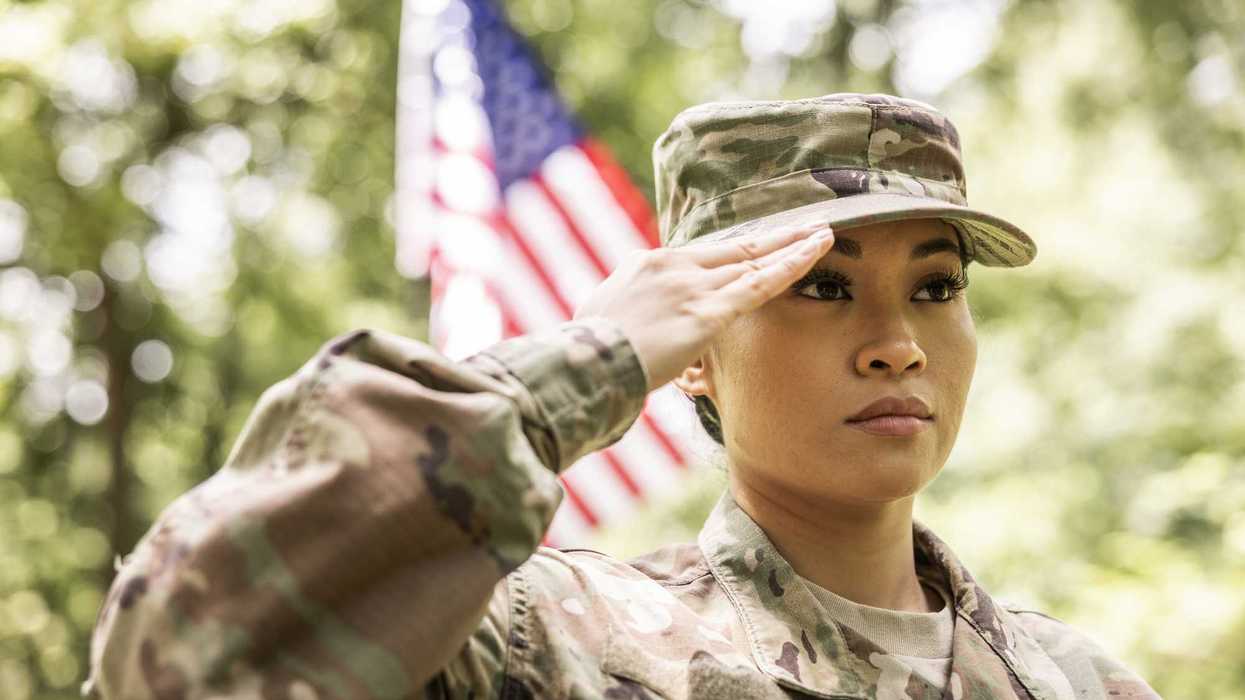

SAN JUAN, Puerto Rico —Visitors still pause at the white marble headstone of SPC Frances Marie Vega at the Puerto Rico National Cemetery. The 20‑year‑old soldier was the first female service member of Puerto Rican descent to die in combat during the Iraq War. Her legacy, once known mostly within military circles, has become a powerful symbol of the growing contributions and sacrifices of Latinas in the U.S. Armed Forces.
Vega was aboard a CH‑47 Chinook helicopter when it was hit by a surface‑to‑air missile near Fallujah on November 2, 2003, killing 16 soldiers. The shoot‑down became one of the deadliest single incidents for U.S. forces in the early stages of the Iraq War.
Born in San Francisco and raised in a military family stationed at Fort Buchanan, Vega enlisted after 9/11, joining the 151st Adjutant General Postal Detachment. The Army later awarded her the Bronze Star and Purple Heart posthumously. Fort Buchanan renamed its main entrance the SPC Frances M. Vega Gate, a tribute documented in Army public affairs releases.
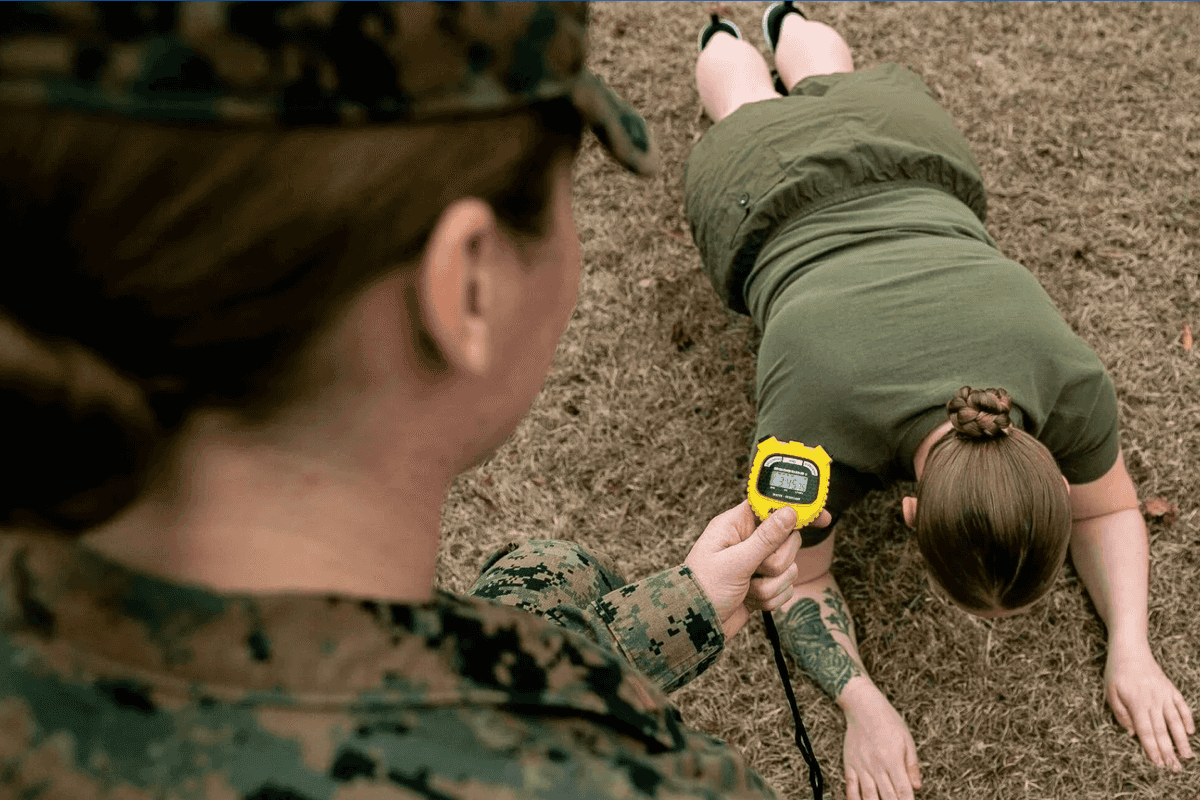
Her story reflects a broader trend: Latinas are serving in the U.S. military at the highest rates in history. According to the Department of Defense’s 2023 Demographics Report, women now make up 17.5% of active‑duty personnel, and Latinas represent one of the fastest‑growing segments. The Pew Research Center has reported that Hispanic women enlist at higher rates than non‑Hispanic women relative to their share of the population. The VA’s Center for Women Veterans notes that Latinas are increasingly represented in combat support and leadership roles.
Despite this growth, Latina veterans often describe a dual invisibility — underrepresented in military history and overlooked in broader Latino narratives. Scholars such as Dr. Gina Pérez, who studies Puerto Rican military families, have written that Latina service members frequently shoulder “the weight of patriotic expectation and cultural silence.”
In Dr. Pérez’s field research exploring the complex motivations of families—especially regarding young Latinas seeking autonomy—she explains: “While limited economic opportunities certainly inform these decisions, Latina/o youth and their parents are also influenced by gendered understandings of autonomy, kinwork, honor, and respectability in turning to military programs while in high school.”
Vega’s death galvanized recognition of Puerto Rican and Latina service. Her name appears on El Monumento de la Recordación in San Juan, alongside more than 1,200 Puerto Rican service members who have died in U.S. conflicts since World War I. Her story is now taught in Puerto Rican schools during Memorial Day observances, and Army units deployed to the Middle East have held ceremonies in her honor. The Frances M. Vega Army Post Office at Camp Victory in Baghdad, named in 2004, served thousands of troops during the height of the Iraq War.
For many Latina soldiers, Vega represents both sacrifice and possibility. “Frances showed us that Puerto Rican women belong in every part of the military,” said one Army sergeant interviewed in a 2021 El Nuevo Día feature. “She’s part of ou story now.”
Her legacy stands alongside other trailblazing Latina service members, including Lori Piestewa, the Hopi Latina soldier who became the first Native American woman killed in combat; Olga E. Custodio, the first Latina U.S. military pilot; Linda Garcia Cubero, the first Latina graduate of a U.S. service academy; and Marisol Chalas, one of the first Latina Black Hawk helicopter pilots.
Each Memorial Day, Vega’s story resurfaces across Puerto Rico and Latino communities in the mainland U.S. Her youth, her service, and her sacrifice have made her a symbol of the thousands of Latinas who have worn the uniform. Her father, retired Sgt. 1st Class Daniel Vega, told The Washington Post in 2003 that his daughter “wanted to serve because she believed in this country.” That single sentence has since become one of the most quoted lines about her life.
Twenty years later, her legacy continues to grow — not only as a fallen soldier, but as a reminder of the courage and commitment of Latinas across the U.S. military.
Remembering SPC Frances M. Vega and the Rising Legacy of Latinas in America’s Armed Forces was first published on Latino News Network and was republished with permission.
Hugo Balta is the executive editor of The Fulcrum and the publisher of the Latino News Network, and twice president of the National Association of Hispanic Journalists.








 State Sen. Rebecca Saldaña, center, stands with members of the Washington State Domestic Workers Coalition at the state Capitol on Feb. 28, 2026. The Domestic Workers Bill of Rights passed in the House that day, before being signed into law in March. (Photo courtesy of Casa Latina)