
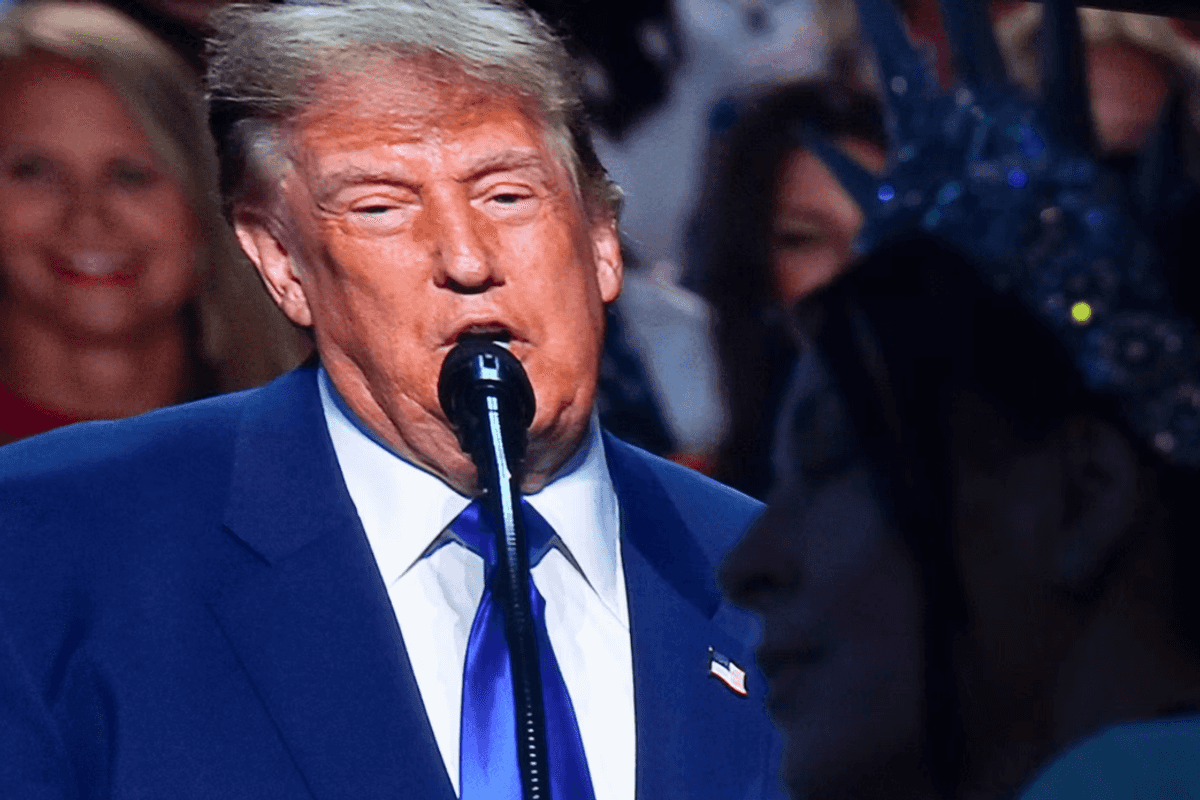


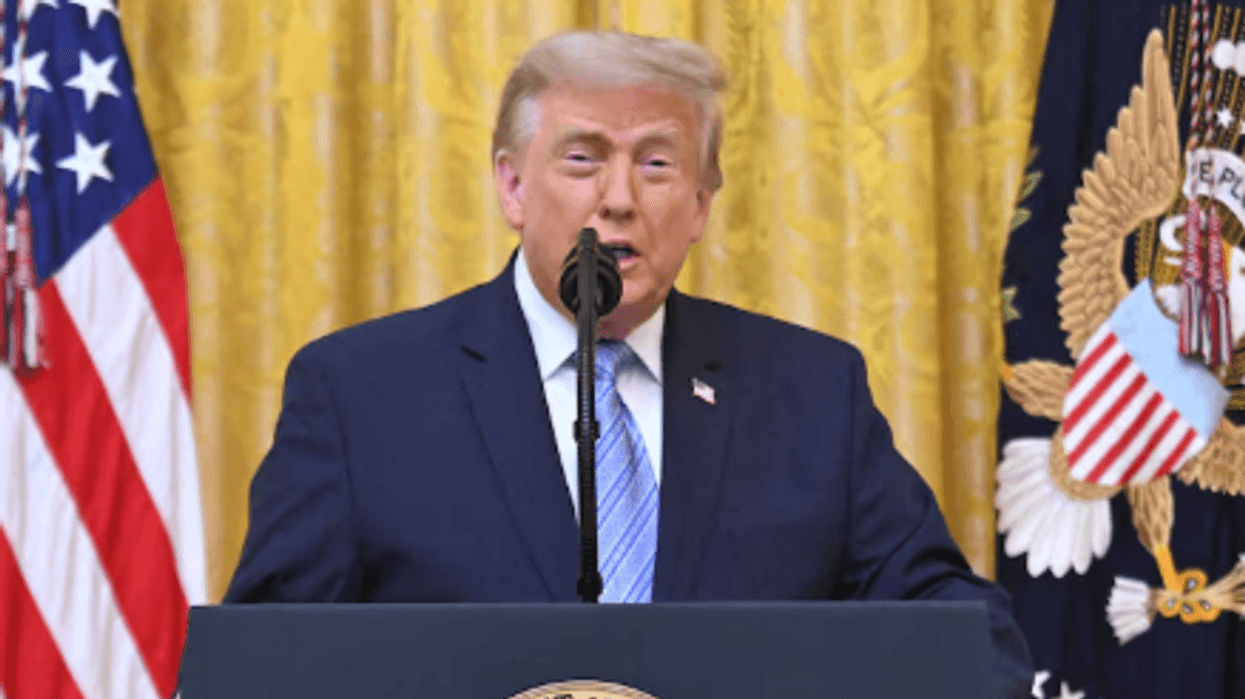

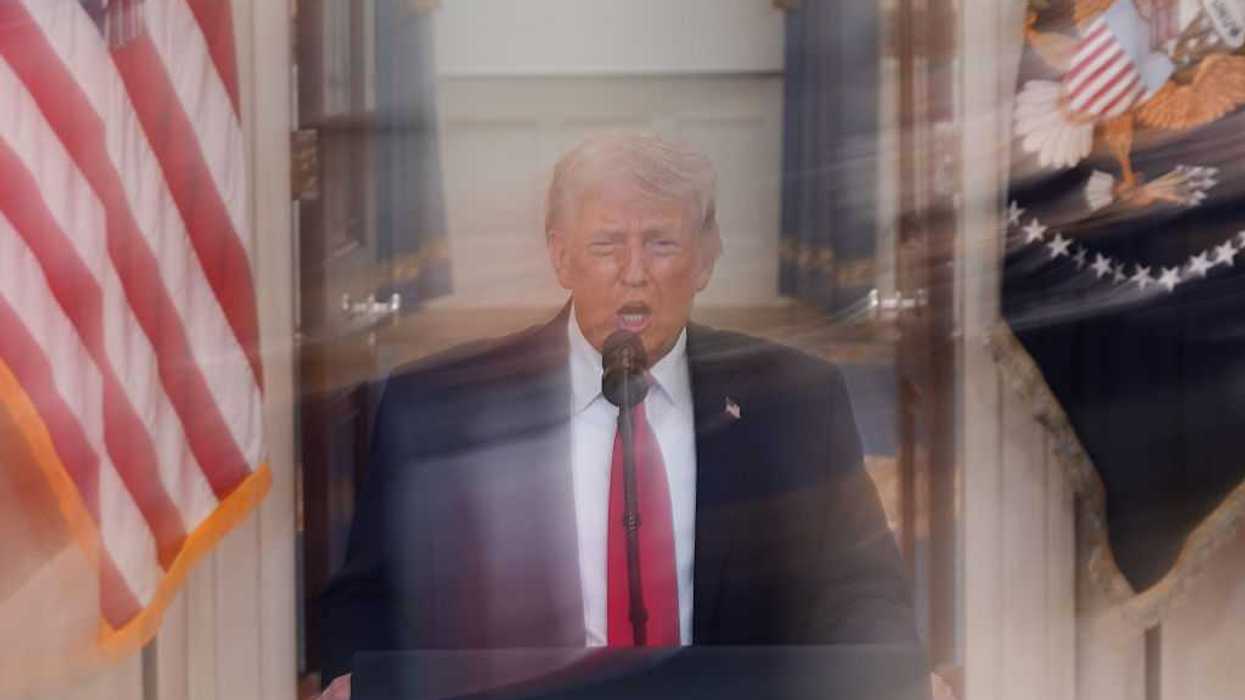
President Donald Trump’s primetime address last night — delivered amid rising tensions with Iran and renewed claims about election interference — prompted immediate scrutiny across Washington. Reporting from CNN, NBC News, and CBS News shows a speech that blended revived allegations about foreign meddling, pressure on Congress, and warnings about global threats, while major networks navigated whether and how to broadcast the remarks.
CNN reported that Trump used the address to declassify documents he said proved Chinese interference in the 2020 election. U.S. intelligence agencies have repeatedly found no evidence that China attempted to alter vote counts or election outcomes, and experts noted that much of the voter‑registration data Trump described as “compromised” is publicly available. CBS News added that Trump framed these claims as justification for the SAVE America Act, a proposal requiring documentary proof of citizenship to vote — a measure voting‑rights groups warn could disenfranchise millions of eligible voters.
NBC News documented the unusual media landscape surrounding the speech. Several major networks did not air it on their primary channels, opting instead for digital streams. Trump accused broadcasters of participating in a coordinated effort to suppress his message, escalating his long‑running attacks on mainstream media. NBC’s reporting showed no evidence of a coordinated refusal, noting that network schedules had been set days earlier.
The speech also intersected with escalating tensions between the United States and Iran. Congressional leaders are seeking clarity from the administration after days of widening military exchanges. Trump briefly referenced the conflict, insisting the U.S. would achieve its objectives “very shortly,” though recent developments suggest the situation is becoming more volatile. Lawmakers from both parties expressed concern that the administration has limited transparency around its decision‑making, echoing earlier criticism after Trump fired the director of the Cybersecurity and Infrastructure Security Agency and cut its budget following the agency’s affirmation that the 2020 election was secure.
Trump’s speech included calls for the Justice Department to pursue prosecutions related to the alleged mishandling of election documents. Reporting from multiple outlets indicates it remains unclear what criminal conduct the administration believes occurred. The FBI previously investigated claims involving “burn bags” but did not file any charges.
Only a few hours have passed since the President’s address, and The Fulcrum urges readers to approach his claims about election integrity with patience, scrutiny, and a commitment to evidence. Responsible civic engagement begins with slowing down: seek information from official election sources, compare coverage across reputable news organizations, and consult statements from independent experts such as bipartisan panels or state election officials. Citizens’ confidence in elections grows through verification, not speed, outrage, or instant reaction.
Statements made last night — especially those presented as revelatory or alarming — should be evaluated only after facts are established, sources are reviewed, and independent experts have assessed the assertions. Wendy Weiser, vice president for Democracy at the Brennan Center for Justice at NYU Law, cautioned that “President Trump’s address was nothing more than a rehashing of debunked conspiracy theories designed to reduce trust in our elections. It was not about election security. It was part of a campaign to undermine our elections. The only way that strategy can work is if voters stay home.” Her warning underscores why rushing to judgment compromises the public’s ability to discern truth from political theater.
This caution is grounded in recent history. Over the past several years, President Trump has repeatedly made sweeping claims about American elections that credible evidence did not support. His continued assertion that he defeated Joe Biden in 2020 — despite certified results in all 50 states, numerous court rulings, bipartisan confirmations, and multiple recounts — remains one of the most consequential unsubstantiated claims in modern political history. Allegations of widespread fraud, manipulated voting machines, or secret plots have circulated widely, but none have been validated by the institutions responsible for safeguarding elections.
Election‑law experts again sounded alarms following last night’s remarks. Hal Kwalwasser of Lawyers Defending Democracy, who has overseen voter‑protection operations in multiple states, described the speech as “delusional, dystopian disinformation,” noting that “I’ve never seen anything like the world Trump describes. Both Republican and Democratic election officials put duty above partisanship and do an admirable job making sure the people’s voice is listened to.” His perspective reflects the bipartisan reality inside election administration — a reality often overshadowed by national rhetoric.
Nick Penniman, co‑founder and CEO of Issue One, stressed the long‑term stakes: “Tonight’s address was riddled with tired, debunked lies and distortions by President Trump in an attempt to usurp the Constitution and exert power over our elections. This isn’t about the 2020 elections — this is about 2026 and 2028. Americans shouldn’t lose sight of what’s happening.” Each recycled falsehood, he noted, becomes “another excuse to centralize authority over a process that belongs to the states — not the president.”
The allegations raised last night should not be met with reflexive acceptance or dismissal, but with deliberate inquiry. Democracy depends on citizens who resist being swept along by rapid political messaging. Claims about election systems, voting technology, or result integrity must be tested against transparent evidence, expert analysis, and established legal processes.
And citizens can do more than evaluate claims — they can strengthen democracy through informed participation. Learning about mail‑in ballot safeguards reinforces trust in the systems that protect every vote. Supporting access to mail‑in voting ensures elderly voters and overseas military personnel have an equal chance to be heard. Working to reduce barriers on election day helps prevent certain communities from being left behind. Defending the freedom to choose how to vote, whether by mail or in person, protects a core democratic principle: that every eligible citizen deserves a secure, accessible pathway to cast a ballot.
The Fulcrum’s readers understand that democratic resilience requires both watchfulness and restraint. As you consider last night’s remarks, we encourage you to pause before drawing conclusions. Allow investigators, journalists, election administrators, and independent analysts to do their work. Let evidence emerge and facts settle. Only then can the public fairly judge the accuracy of statements made from the podium.
The Fulcrum remains committed to delivering timely information and in‑depth analysis as verified findings become available. We will continue to monitor developments carefully and share follow‑up coverage in upcoming newsletters and at TheFulcrum.us.
David Nevins is the publisher of The Fulcrum and co-founder and board chairman of the Bridge Alliance Education Fund.









The President Invited Iran to Bomb My Home