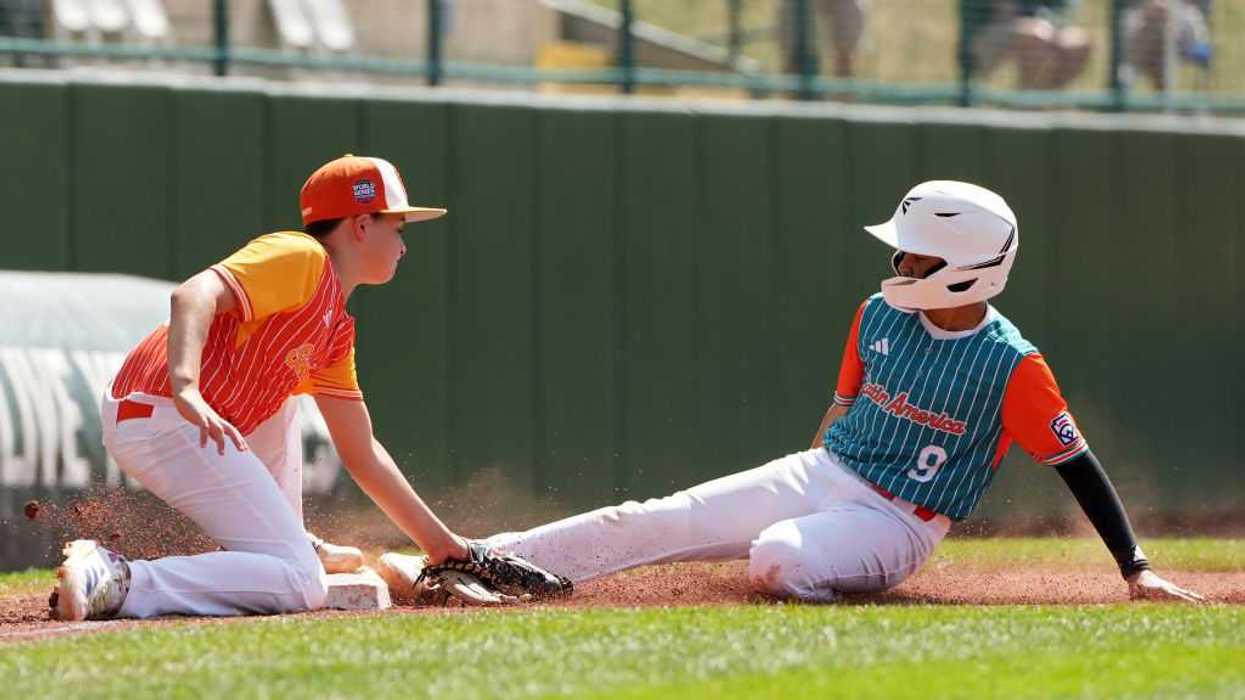

Each year, from the first buds of spring to the turning of autumn leaves, America is captivated by baseball. From Major League parks to Little League fields, from minor league stadiums to collegiate summer diamonds, the game transcends geography, generation, and ideology. Fans gather to watch today's stars and tomorrow's prospects, united by America's pastime.
Change has been abundant in the century since America celebrated its 150th birthday. Yet, as Field of Dreams reminds us, "There has been one constant throughout the years… baseball." Accompanying that constant is a nearly century-old civic ritual, forged in moments of national challenge and renewed before nearly every first pitch: the singing of the National Anthem.
This summer, I am embarking on a project, in partnership with Civic Spirit, to sing the National Anthem at professional baseball games across the country in honor of America's 250th anniversary, highlighting the pride, civic responsibility, and shared values this tradition represents. Participating in this honored ritual has allowed me to see it not merely as a pregame tradition, but as one of America's most powerful expressions of civic identity.
Each year, tens of thousands of professional baseball games are played in the United States, each beginning with the National Anthem. Over the course of a season, tens of millions of Americans participate in one of the nation's most enduring shared civic customs.
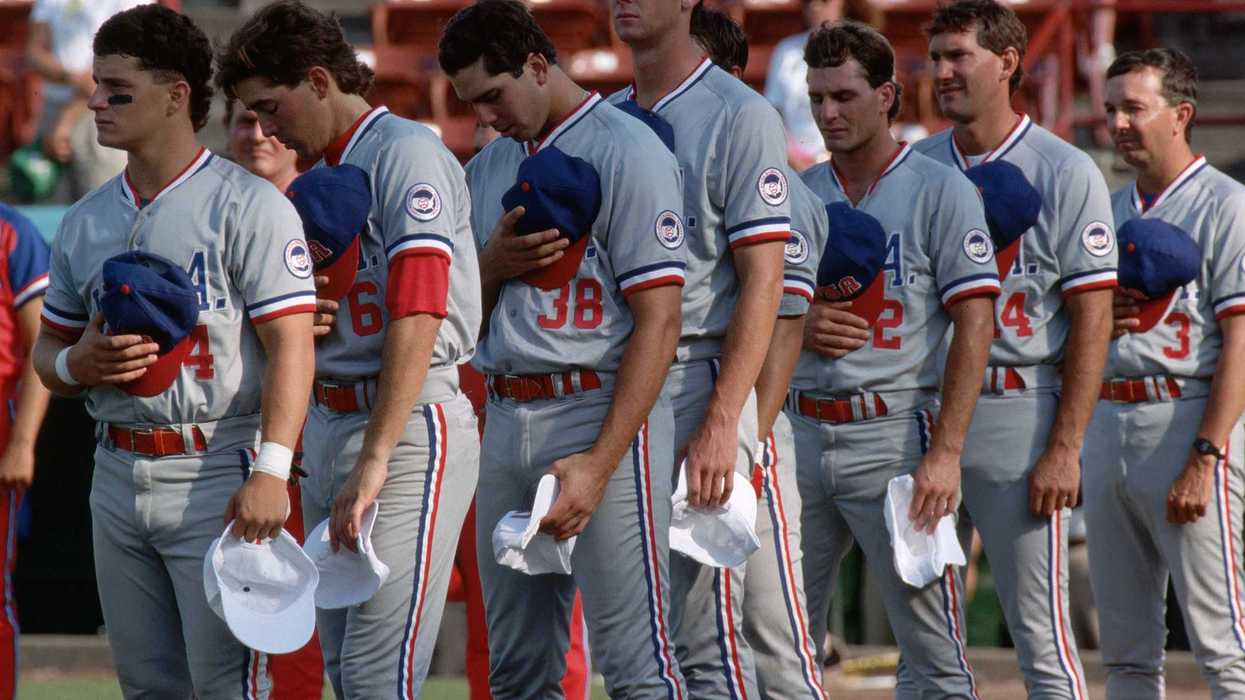
No matter the place, time, league, or background of those in attendance, the moment is the same. Before the first pitch, fans, players, coaches, and staff rise together. There is something profoundly civic in that shared pause. It does not require agreement on every issue facing the country, nor uniformity of belief. Rather, it reminds us that civic life depends not on perfect consensus, but on broad participation, common rituals, and a shared commitment to fulfilling our responsibilities as citizens and neighbors.
The history of the National Anthem at baseball games reflects the patriotism and civic spirit that have defined the tradition from its earliest days. The earliest known performance of "The Star-Spangled Banner" at a baseball game occurred in Brooklyn in 1862, on the first Opening Day after the Civil War had disrupted the previous season. However, it would take decades before the anthem became a regular pregame activity.
That practice took hold during Game 1 of the 1918 World Series. With World War I nearing its end, a military band played the anthem during the seventh-inning stretch. As The New York Times reported, the anthem spread through the crowd until "a great volume of melody rolled across the field," ending in "thunderous applause."
By 1931, when Congress made "The Star-Spangled Banner" the official national anthem, baseball had already helped establish it as one of America's defining civic traditions. What began
as a wartime moment became a ritual repeated thousands of times each year, inviting generations of Americans to pause together before the first pitch.
The anthem's power lies not only in its history, but in its lyrics and musical composition. As anthem scholar Mark Clague observes, Francis Scott Key ended the anthem's first verse with a question mark, not an exclamation point. The anthem asks something of us. "It's not a period. It's not an ending. It's a question that needs an answer," Clague writes, and our answer says much about who we are and how we choose to love our country.
This idea feels particularly resonant for me. The National Anthem is no easy song to sing. It spans a wide vocal range and culminates in a famously difficult final note. That challenge symbolizes something larger: building and sustaining a stronger civic culture also requires effort, perseverance, and practice. Yet when the final note is reached, the crowd often responds with its loudest applause, a reminder that our greatest civic responsibilities, like the anthem itself, demand our best and reward our highest aspirations.
Our civic participation, unity, and commitment to the values that bind us cannot be limited to the moments when we stand or sing together. That sense of responsibility must extend beyond the ballpark, into how we live and engage with one another.
Our society is widely divided, but the threads that bind us remain. If the anthem has endured through war, political disagreement, and social change, perhaps it reminds us that our shared identity can endure as well.
While traveling to ballparks across the country, I've asked fans what hearing the National Anthem means to them. Across ages and regions, the answer has been remarkably consistent: hope and pride. Not an uncritical patriotism, nor an absence of disappointment or recognition that our country has work to do. Rather, a shared belief that America is worth celebrating, strengthening, and striving toward. It is that enduring sense of pride and commitment that gives me hope that, 250 years after our nation's founding, we will continue to play, sing, and work together to fulfill the promise of "the land of the free and the home of the brave."
As we celebrate the milestone semiquincentennial across America, let us remember our ability to stand together with a shared commitment to the civics, values, and responsibility that define us.
Eytan Saenger is a recent graduate from Binghamton University.