




We need to understand MAGA election machinations, and equally important, we need to know about – and join – the significant efforts taking place to block the attacks. Trustworthy elections and our democracy depend on each of us making a plan and acting on it as best we can in the few weeks before the midterms and the less than 800 days until 2028’s elections.
We all have seen reports about the concerted, multifaceted MAGA attacks on American elections. They are taking place across broad fronts and at scale, but there is also a powerful story of democratic resilience.
State and local election administrators are testing multiple contingency plans in many parts of the country to address present and anticipated attacks on our elections, as are state attorneys general and local officials. Democrats in Congress and their allies are preparing maneuvers to counter MAGA electoral machinations, while the Democratic Party in each state is mobilizing voter protection efforts.
Legal groups are fighting election interference in the courts – often with success – and are preparing challenges to further attempts at derailing elections. Plus, citizen groups are mobilizing to assist voters and to protect the vote. A recent Los Angeles Times article describes many of these developments.
The key to genuine elections is massive turnout, as examples across the world demonstrate. And the key to election and democracy defense is participation.
Parties, candidates, and many issue-oriented, faith-based, and civic organizations conduct voter mobilization efforts; contributing to those efforts is crucial. If you are concerned with protecting elections themselves, here are some steps we all can take.
Step 1: Learn about election administration locally and beyond, and use your voice – face-to-face and in your social media accounts – to help others understand the soundness of U.S. elections. Include your personal experiences and repost trusted positive stories. If you are an educator, pastor, or civic association member, arrange assemblies for election officials and others to explain processes. Be creative in engaging family, friends, colleagues, and others to encourage their participation as voters, election protectors, and democracy defenders.
Step 2: Make a detailed plan to vote and encourage others to do so. Plus, follow up about executing that plan with those you know. This includes registering to vote and checking on the status of your voter registration even if you are a frequent voter. The National Association of Secretaries of State website links to each state for that, to reconfirm your polling location, and other important information.
Also, check on your required form of voter identification and make sure yours meets requirements, including matching your address. Voter ID laws have changed in several states, and enforcement may be stricter this year. You can easily verify this online through your state or local election board. If you or someone you know needs registration assistance, including obtaining proper ID, groups like VoteRiders can help.
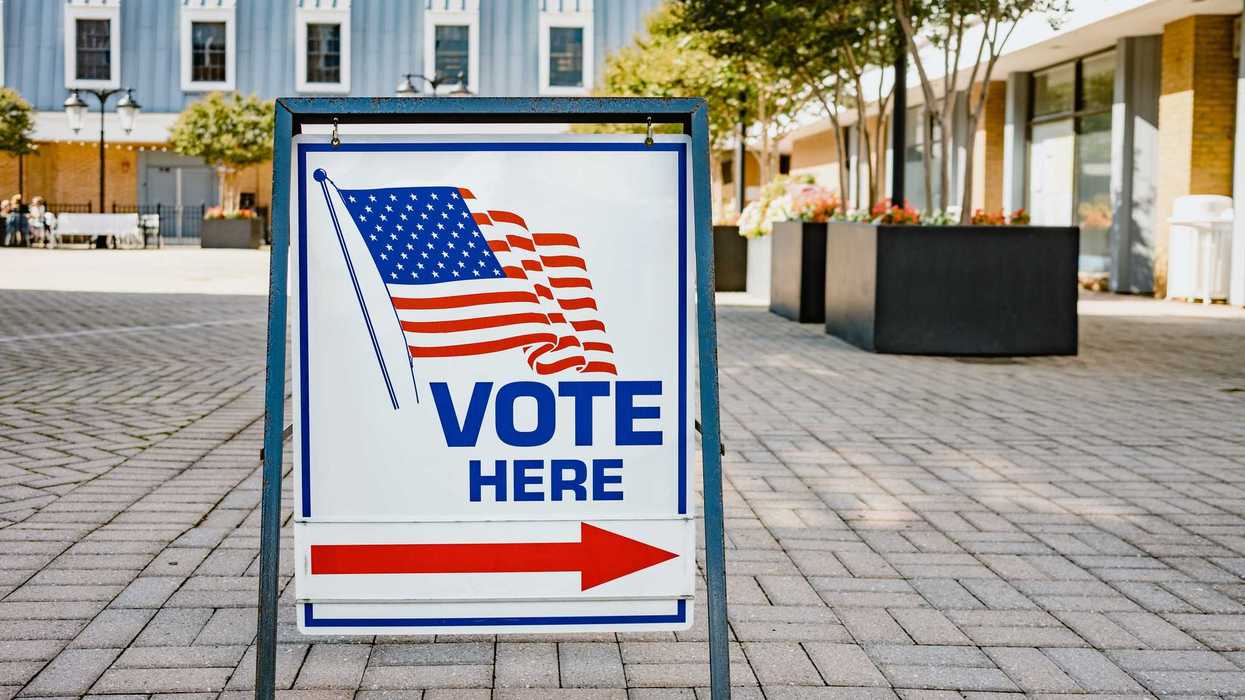
Step 3: Develop options for delivering and ensuring your ballot is counted. Where voting by mail is available, make sure requests for such ballots are submitted early and your ballot is deposited early in the mail or an official election drop-box. Then, where possible, check the election board’s website to track your ballot’s receipt, validation, and whether it was counted. Be sure to fix any problem that appears at each stage. State voter protection hotlines, party and nonpartisan, can help with that. If early voting is available and it’s your preference, go to the location and vote. And whether you vote by mail, vote early, or go to the polls on November 3, encourage others to join you in casting their ballots.
Step 4: As your time, interests, and abilities allow, become an election protector. That can take several forms. Election boards need skilled, honest workers, including staff for polling locations, and recruitment is underway in many places. Organizations like the League of Women Voters and Vet the Vote can help you make that connection.
State Democratic voter protection activities, including staffing hotlines to help voters with registration or voting challenges, are getting in gear. Such efforts are taking place in every state. Hotline and related activities before and during elections can be conducted remotely, allowing out-of-state residents to engage. Monitoring outside voting sites requires presence, while monitoring inside them often must be done by voters registered in the state.
Nonpartisan civic efforts are also significant, like the Election Protection Coalition’s 866OurVote hotline and monitoring outside polling places. Many of its civil rights, faith-based, and civic organization partners conduct complementary activities. State-specific efforts like Project Halo, NAACP Legal Defense Fund’s Black Voters on the Rise, and The Carter Center US election observation initiatives in several states also need volunteers.
Mass mobilization initiatives, including Indivisible, which is part of the No Kings network, are building a Hands Off Our Vote election protection effort to train volunteers to ensure the opportunity to vote, that every vote is counted, the results are honored, and winners are seated. That could include monitor presence at drop-boxes and polling stations, as well as counting centers, which party and other non-party efforts also cover. The No Kings network itself is launching a campaign to mobilize early voting as is Party at the Polls.
Mobilizing citizens to defend the count and to ensure legitimate winners are seated goes beyond such efforts. Given the threats of ICE and/or other coercive presence at polls, seizures of ballots and voting equipment, disrupting results certification, and blocking winners from assuming office, mass mobilization may be a crucial part of upcoming election defense.
Resources to counter MAGA election interference are now widely available from sources as diverse as the National Association of Social Workers (NASW), IssueOne, ACLU, and Protect Democracy, including resources focused on Gen Z. If you want to go into details on the election front, sources like Election Law Blog and Democracy Docket are useful.
Rounding the circle, the anti-democratic game plan is to suppress, disrupt, and block real elections as part of maintaining and gaining more power. The answer is to understand, speak out, mobilize, and defend elections and democracy more broadly. There are many things to be done. We can all choose what to do and act on.
Pat Merloe provides strategic advice to groups focused on democracy and trustworthy elections in the U.S. and internationally. He has engaged with those promoting credible elections in more than 60 countries over four plus decades.







The President Invited Iran to Bomb My Home