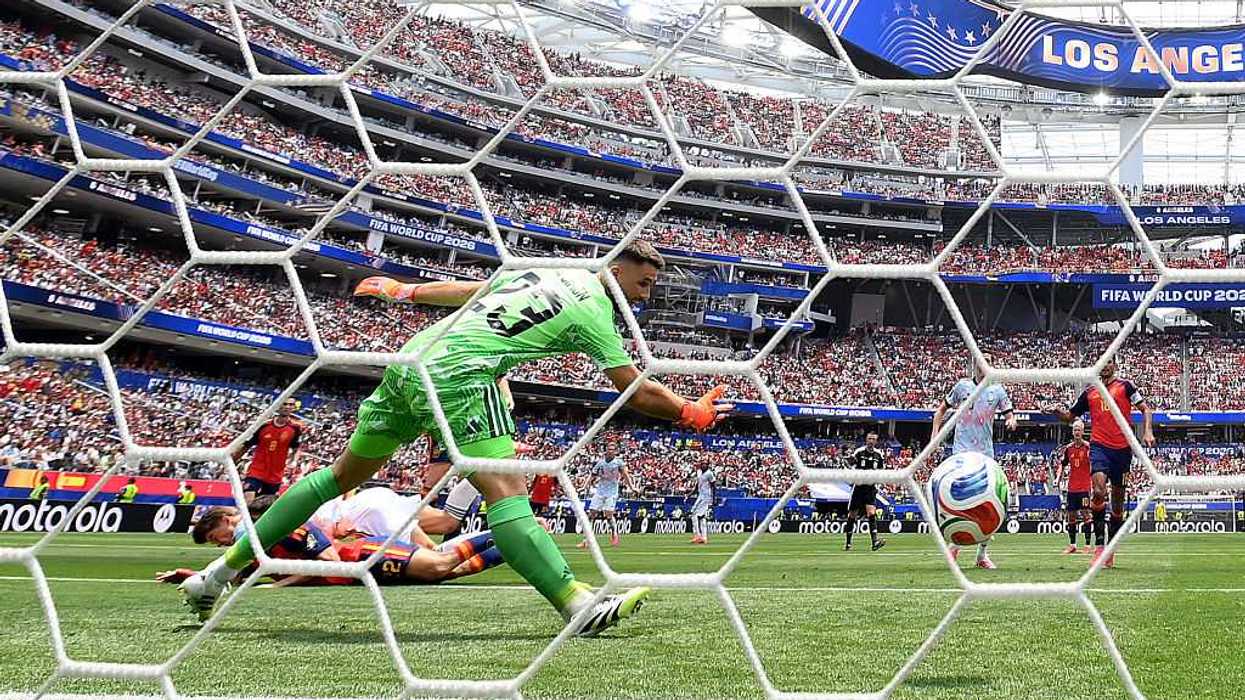
As live sporting events go, nothing comes close to the World Cup. I was in the stands when South Africa, my birth country, hosted the event in 2010 after decades of exclusion from global athletics. In June of this year, I had a full-circle moment when South Africa played in the knockout rounds for the first time, and I stood with my two American sons, arms around them, singing South Africa's anthem — the only national anthem that weaves multiple languages into a single, unifying song. Later in the week, I was in the stands again, cheering Spain's win over Austria, a country to which my only connections are a brief holiday…and the fact that my mother's family fled from there during the Inquisition.
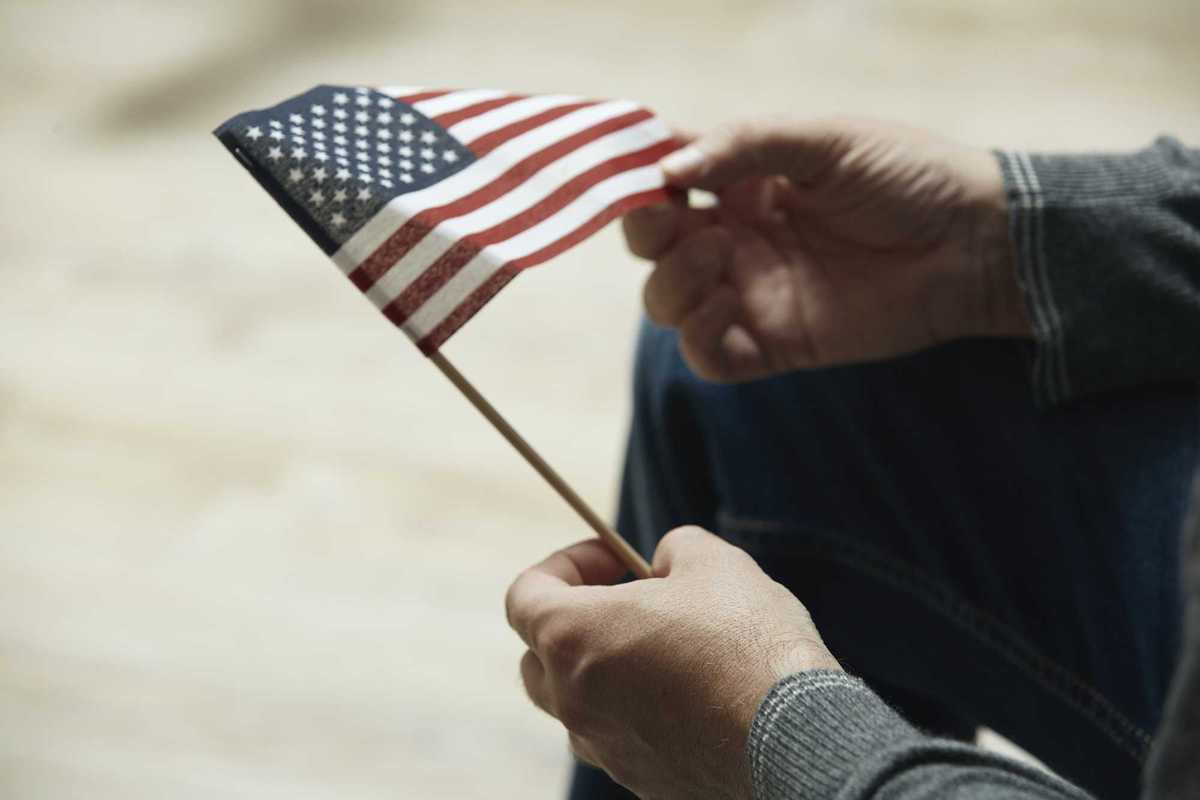
The magic of the World Cup is that everyone in the stands wears the flags and shirts of countries that are “theirs” in some way. For some, it’s where they were born; for others, where they live or where their ancestors hailed from. For some, it is simply a country they have adopted for the afternoon. It is impossible to know how deep a person’s connection runs simply by looking at them. And next to a person waving one team’s colors is a stranger, family member, or close friend supporting the opposing team—or wearing the jersey of a team that isn’t playing that day at all.
What a metaphor for a pluralistic democracy.
News stories about how Americans are leaning into the uncomplicated joy of participating in this global ritual have grown over the past few weeks. Many are surprised by how hungry they are for the chance to cheer on the U.S. team and to cheer alongside a neighbor cheering for another country. To be at a watch party and feel part of something bigger, unmarred by the ever-familiar tensions of our polarized politics. It’s an unburdening we have badly needed.
The World Cup and FIFA, its organizing body, are hardly devoid of politics or of very serious problems. But for one month every four years, it manages something our civic life rarely does: it puts people who disagree in the same place to cheer together through moments of pride, joy, and defeat.
In our diverse country, classrooms are rather like the World Cup stands. Students signal their loyalties to social groups and to issues in a variety of ways. Some of those loyalties are core identities, fundamental to who they are. Others are more surface-level, akin to trying on a shirt for an afternoon to see how it fits. It is impossible for either a teacher or a fellow student to know which is which — unless they are curious enough to ask.
For our pluralistic democracy to thrive, we need rituals that stoke curiosity and help us manage the discomfort of sharing space with someone wearing another team's jersey. They will cheer for a goal that feels disastrous for your team. They will also have to endure your cheers when your team scores. The joy is communal even when the outcome is not. That asymmetry — your team's win is my team's loss, and yet, we are still here in the stands together — is exactly how we can build a better democratic life.
Our young people badly need more routine opportunities to realize that very few civic outcomes are truly permanent, including the ones that feel high-stakes and impossibly so. Classrooms are where they can practice and cultivate those skills before they enter formal civic spaces in adulthood.
The trepidation educators feel about discussing current events and contested issues is real and legitimate. So is the hunger students feel for those interactions. Like fans at World Cup games, they need spaces where genuine disagreement doesn't have to mean social rupture.
As the 2026–27 school year approaches, the question facing educators is not whether they should discuss hard things with their students. It is how they can create the conditions for honest, productive discussions that lead to enduring skills development. The World Cup, briefly and imperfectly, shows us it is possible. Classrooms, with intention and preparation, can do it even better.
Vikki Katz, Ph.D., is the Executive Director of Or Initiative and Fletcher Jones Foundation Endowed Chair in Free Speech in the School of Communication at Chapman University.