




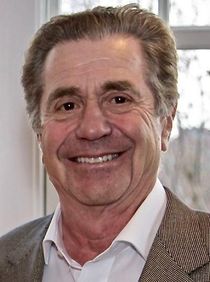
Utah has long impressed me as a place where governors take bipartisan leadership seriously, and my own experience confirms it. I first saw this more than a decade ago when I met former Utah Governor Jon Huntsman through No Labels. In January 2013, Huntsman, then a Republican, joined Democrat Joe Manchin as national co‑chairs of the organization, a partnership built on the belief that durable solutions require leaders willing to cross the aisle. Working with both of them during that period left a lasting impression on me. Their partnership embodied a simple but powerful truth: when leaders choose cooperation over contempt, they expand what’s possible for the country. Huntsman and Manchin worked deliberately to model cross‑partisan problem‑solving—demonstrating that principled disagreement can coexist with shared purpose.
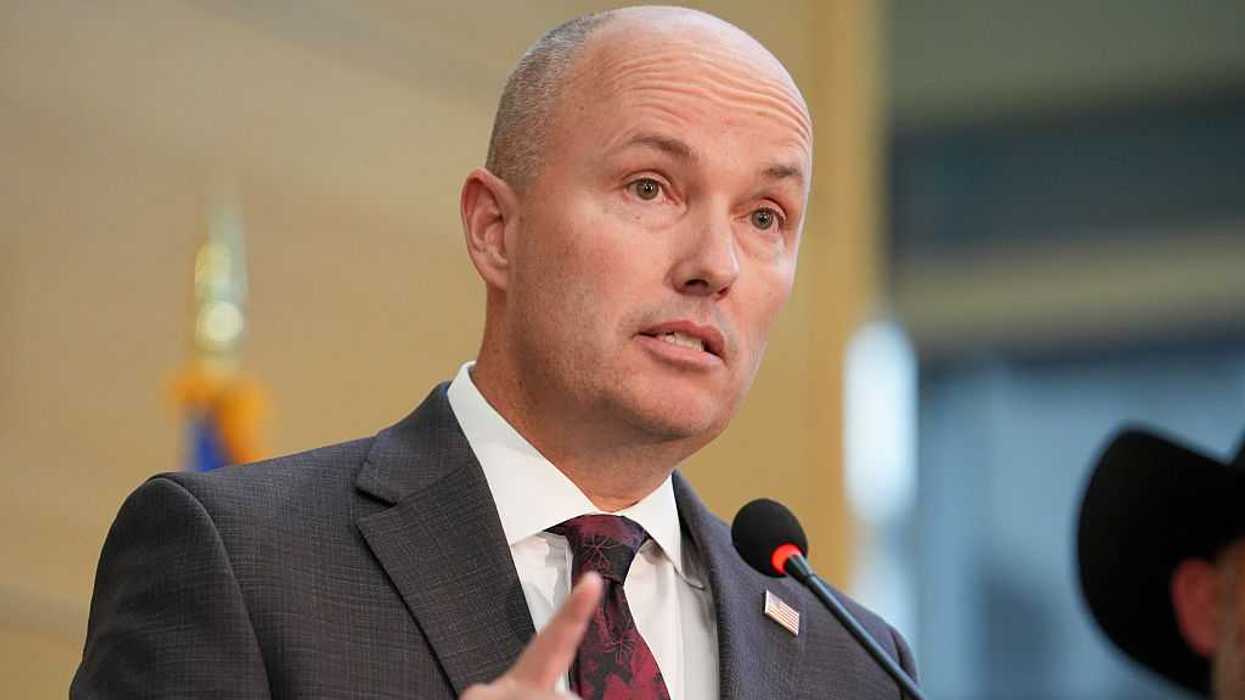
That experience left a lasting impression on me, and it’s one reason Governor Spencer Cox’s new book Off Ramp: How to Be a Peacemaker in an Age of Contempt resonates so strongly with me today.
Governor Spencer Cox’s book arrives at a moment when Americans across the political spectrum are exhausted by polarization and hungry for a path out of the political death spiral. Drawing on research, lived experience, and his nationally recognized Disagree Better initiative, Cox argues that the country’s greatest threat is not ideological difference but the culture of contempt that has grown around it.
The book delivers a practical, hopeful blueprint for rebuilding civic trust: rejecting the “conflict entrepreneurs” who profit from division, re-humanizing political opponents, and restoring norms of restraint, curiosity, and good-faith disagreement. Among the actionable steps Cox recommends are setting ground rules for discussions that prioritize listening over debating, and practicing what he calls the "three questions" approach—pausing in moments of disagreement to ask oneself what the other person is feeling, what values might be driving their perspective, and how to respond in a way that invites continued conversation.
Next time you find yourself at odds with a friend, family member, or colleague, you might use the three questions and, as you do so, consider whether your colleague is feeling unheard, and respond in a way that acknowledges the other’s concerns and seeks common ground. Cox’s strategies offer readers concrete ways to lower the temperature in their own interactions and foster more productive, respectful dialogue in both personal, professional, and community settings.
Cox grounds his message in the belief, supported by data and echoed by individuals such as Arthur Brooks and Ken Burns, that most Americans want a healthier civic life and are ready to step off the highway of outrage.
One memorable story from Off Ramp recounts how two Utah community leaders, initially at odds over a contentious policy issue, agreed to sit down together despite their differences. Through a simple conversation at a local diner, focused more on listening than debating, they uncovered shared values and agreed to co-host a forum that invited broader input and civil engagement. This kind of example shows how the book weaves personal narrative, social science, and effective guidance to reveal how individuals, communities, and leaders can help reverse the incentives that reward polarization.
It is a timely and patriotic call to strengthen the democratic structure in this year of America’s 250th anniversary.
As chairman of the Board of the Bridge Alliance, I am struck by how closely the book aligns with our devotion to cross-partisan collaboration, civic courage, and institutional renewal. In fact, Off Ramp complements a range of civic renewal initiatives across the country, including grassroots town hall movements, deliberative democracy forums, and efforts by organizations such as the National Institute for Civil Discourse and Braver Angels. Inspired by Cox’s recommendations, Alliance members could take immediate steps such as co-hosting community listening sessions that utilize the "three questions" approach outlined in the book or forming small working groups to pilot respectful dialogue guidelines in ongoing projects. Cox’s insistence that democracy prospers when citizens engage with one another with dignity aligns with the Alliance’s belief that closing gaps is a necessity for a functioning republic. His critique of zero-sum politics warns us all that contempt erodes democratic guardrails faster than policy disagreements ever could.
Most importantly, Off Ramp advances a philosophy of:
- Respect amidst differences as a democratic discipline
- Shared problem‑solving being the antidote to factionalism
- A devotion to pluralism as the foundation of our nation.
In this sense, Cox’s book is not simply a reflection of the moment but rather a lasting contribution to the wider movement for democratic renewal that our country so badly needs. It is a practical and patriotic guide that draws on his experience at the highest levels of civic leadership and cutting-edge depolarization research to encourage Americans to disagree better and restore the respect we once had, even for our political rivals. As America marks the 250th anniversary of the Declaration of Independence, it’s time to remember what makes America strong and leave behind the behaviors and rhetoric that threaten to destroy us.
David Nevins is the publisher of The Fulcrum and co-founder and board chairman of the Bridge Alliance Education Fund.













The President Invited Iran to Bomb My Home