

On June 14, I wrote Raining on Trump’s Military Parade, an article about the Washington, D.C. military parade that marked both the U.S. Army’s 250th anniversary and President Donald Trump’s 79th birthday. The event revived debates about the politicization of military spectacle, fiscal priorities, and democratic norms. Six months later, those same themes are resurfacing in new forms — not on the National Mall, but in Congress, the courts, and foreign policy.
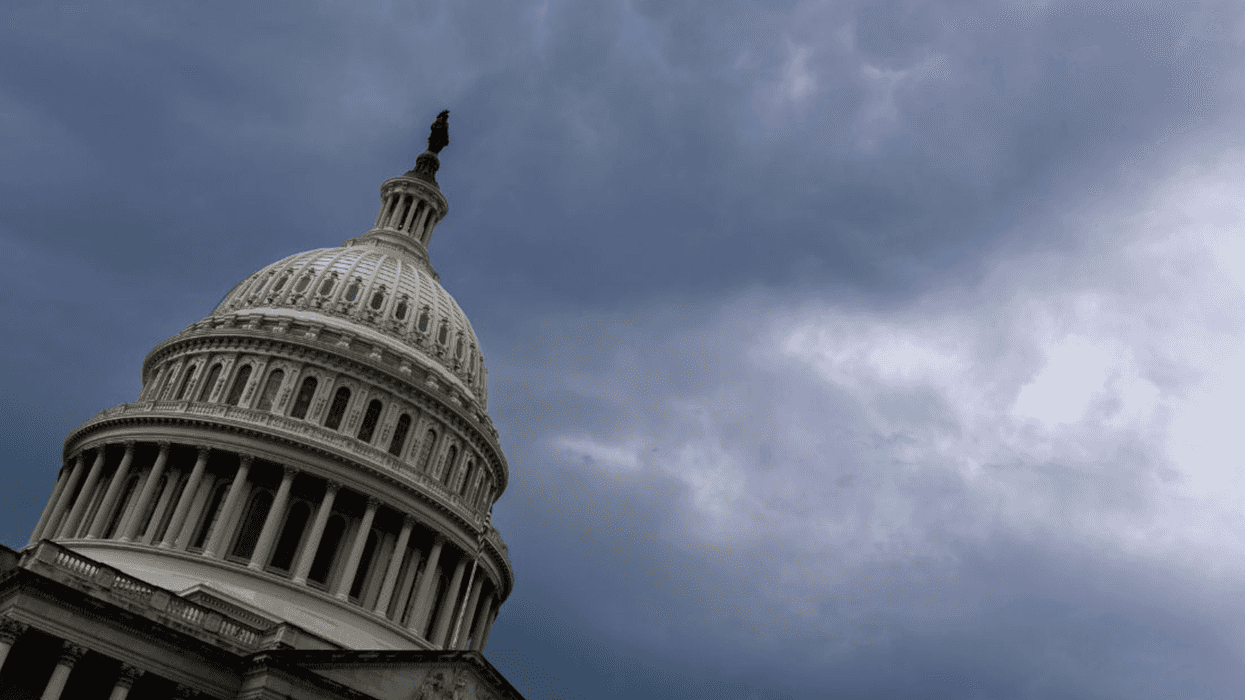
The House of Representatives passed the roughly $900 billion military policy bill known as the National Defense Authorization Act (NDAA) for Fiscal Year 2026, in a bipartisan vote of 312-112 on Wednesday. The bill now heads to the Senate for approval. Key provisions of the legislation include:
- A pay raise for troops (a 4% raise for enlisted service members).
- An overhaul of how the Department of Defense buys weapons and significant acquisition reforms.
- Authorization of $400 million for Ukraine as part of the Ukraine Security Assistance Initiative and restrictions on reducing U.S. troops in Europe.
The final vote passed 312-112. It is expected to garner bipartisan support in the Senate.
Trump’s reliance on military spectacle has extended beyond parades. This week, U.S. forces seized an oil tanker off Venezuela’s coast and conducted fighter jet flyovers in the Gulf of Venezuela. These actions project strength internationally, but they also raise questions about whether military force is being used as political messaging — a continuation of the parade’s blending of commemoration and presidential authority.
“We’ve just seized a tanker on the coast of Venezuela — a large tanker, very large, the largest one ever seized actually,” Trump said during a meeting in the Roosevelt Room at the White House, reported CNBC
The president declined to provide information on who owned the tanker or its destination, but said it was “seized for a very good reason.”
Meanwhile, a federal judge has ordered Trump to end California National Guard deployments in Los Angeles, ruling he exceeded his authority. This legal battle underscores the same tension highlighted in June: the balance between presidential power and democratic checks when the military is deployed domestically.
NPR reported that the Trump administration has argued that after initially federalizing a state's National Guard, any extension should be allowed, without review.
"That is shocking," Judge Breyer wrote in his ruling on Wednesday, saying that adopting that interpretation of the law would "permit a president to create a perpetual police force comprised of state troops, so long as they were first federalized lawfully."From the June parade to today’s defense bill, Venezuela operations, and court rulings, the through‑line is clear:
Trump’s presidency continues to use military spectacle and force as both a symbolic celebration and a political instrument. The debates sparked in June — about cost, authority, and democratic norms — remain unresolved, now playing out in policy and law rather than parade grounds.
Hugo Balta is the executive editor of the Fulcrum and the publisher of the Latino News Network.