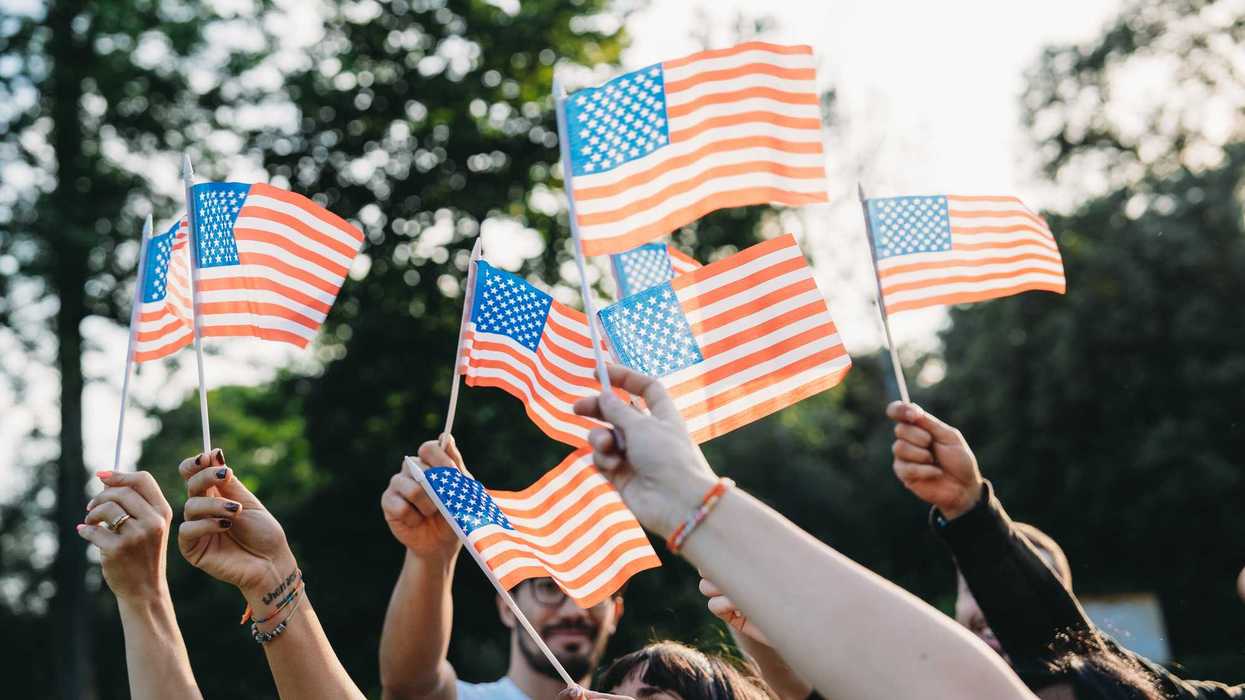

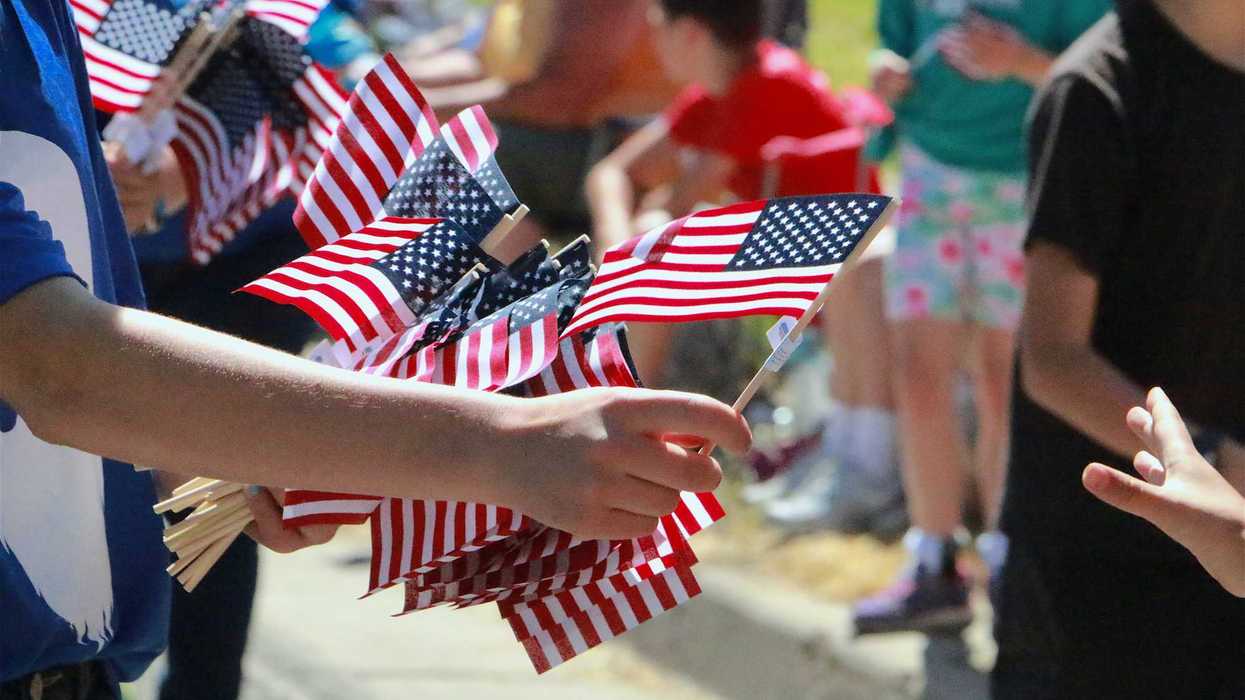
On July 4, Americans gathered in city parks, libraries, museums, historic sites, schools, houses of worship, and around kitchen tables to celebrate the 250th anniversary of the Declaration of Independence.
They came together for concerts and parades. They attended naturalization ceremonies. They visited historic places, planted liberty trees, volunteered in their communities, read the Declaration aloud with their families, and reflected on the ideals that have shaped our nation for two and a half centuries.
In the months leading up to the anniversary, many wondered whether America could still find ways to celebrate together. Some worried that the nation had become too divided, too fragmented, or too distracted to mark such a significant milestone in a meaningful way.
What we witnessed instead was something both quieter and more encouraging.
America celebrated. Not through a single defining national moment, but through thousands of local acts of participation, reflection, learning, service, and civic connection.
And that is exactly why America's 250th matters.
The anniversary was never meant to be an endpoint. It was an invitation.
The Declaration of Independence marked the beginning of the American experiment, not its completion. The work of turning revolutionary ideals into durable institutions would take decades. The generation that declared independence in 1776 still had to win a war, build a nation, establish a system of self-government, and confront profound disagreements about what the future should look like.
Things did not always go according to plan.
The Articles of Confederation proved insufficient to meet many of the challenges facing the young nation. Economic instability, political divisions, and questions about national authority threatened the durability of the republic. Americans disagreed fiercely about the path forward. Many wondered whether the experiment would survive.
And yet they persevered.
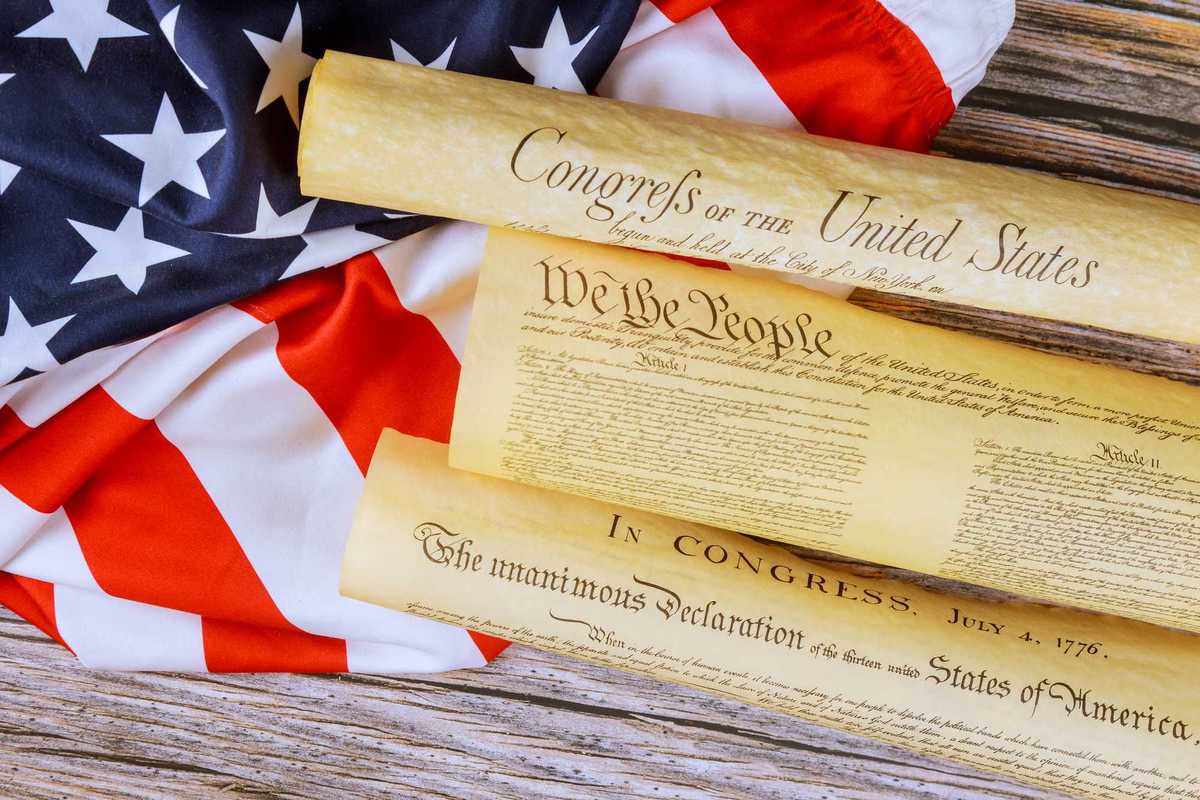
Through debate, compromise, civic participation, and constitutional imagination, Americans built something extraordinary: the United States Constitution, the oldest continuously operating written national constitution in the world.
That achievement should remind us of something important today.
The generation of 1776 did not inherit a finished democracy. They built one. So must we.
That is why we believe the most important work of the semiquincentennial begins now. Over the next decade, as the nation moves toward the Constitution's 250th anniversary in 2037 and the Bill of Rights' 250th anniversary in 2041, America has an opportunity to undertake a new era of civic renewal.
Not because our challenges are identical to those of the founding generation, but because self-government always requires renewal. Democracy has never been self-executing. Every generation must learn it, practice it, strengthen it, and pass it on.
The civic decade ahead should be marked by new investments in civic education, both inside and outside the classroom. It should be marked by renewed support for civic institutions like museums, libraries, historic sites, parks, archives, schools, and community organizations that help Americans encounter one another and engage with our shared constitutional inheritance. It should be marked by efforts to rebuild social trust and strengthen the relationships that sustain healthy communities.
At a time when loneliness and social isolation have become defining challenges of modern life, civic institutions have a particularly important role to play. They create opportunities for people of different backgrounds and perspectives to gather around shared questions, shared experiences, and shared responsibilities. They help transform strangers into neighbors and communities into places of belonging.
The work ahead will not be easy. Building civic knowledge, strengthening civic habits, restoring trust, and creating opportunities for meaningful participation will require sustained effort. It will require leaders, educators, parents, students, philanthropists, policymakers, community organizations, and citizens working together over many years.
But great civic achievements have never been easy. The generation that followed 1776 faced uncertainty, disagreement, and fragility. They understood that the future of self-government depended not simply on lofty ideals, but on the hard work of building institutions capable of sustaining those ideals. Their work became our inheritance. Our work will become the inheritance of future generations.
So if America's 250th did not inspire you to stay engaged, consider joining us for the civic decade ahead.
The fireworks have ended. The celebrations have concluded. But the most important work is just beginning.
The story of America has never been defined solely by what happened in 1776.
It has always been defined by what each generation chooses to do next.
Vince Stango is the Interim President and CEO of the National Constitution Center.
Julie Silverbrook is the Chief Content and Learning Officer of the National Constitution Center.