Skip to content
Search

Latest Stories

Follow Us:
Top Stories

Podcast playlist: Votes, votes, votes

Podcast playlist from The Democracy Group, focused on mechanics of voting, voting rights
Stefan Ilic/Gettty Images
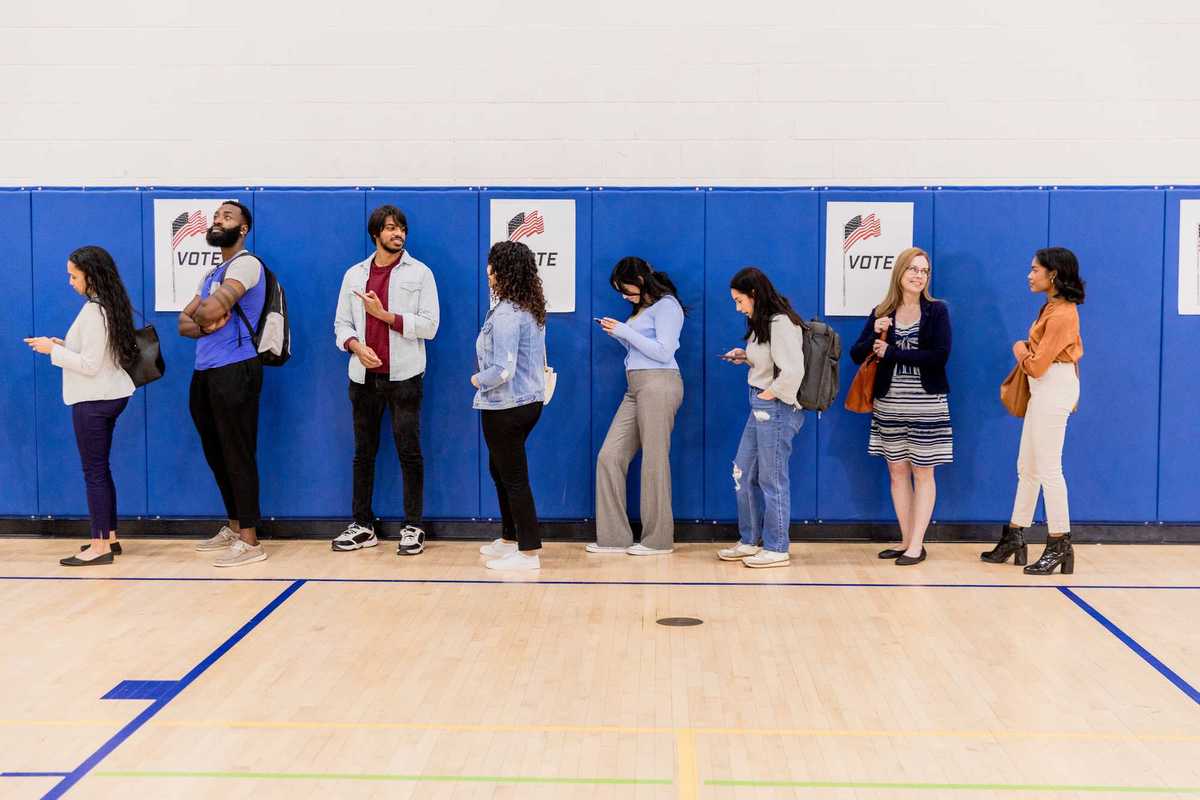
Voting by mail, voting from jail, voting as a young person, voting as a woman. The intersection of identity, personal circumstances and voting is a crucial point of discussion in this tumultuous election year. This podcast playlist features episodes that dive into the mechanics of voting, voting rights and ways to make voting more fair and inclusive.

This playlist is part of The Fulcrum's partnership with The Democracy Group, a podcast network at Penn State University. All of its shows are committed to engaging in civil discourse, inspiring civic engagement and exploring the future of our democracy. This list features episodes from 70 Million, Politics in Question, The Science of Politics, Democracy Matters, Democracy Works, Another Way and How Do We Fix It.
Read More

The Cost of Fear: What Immigration Enforcement Is Doing to Our Clinics

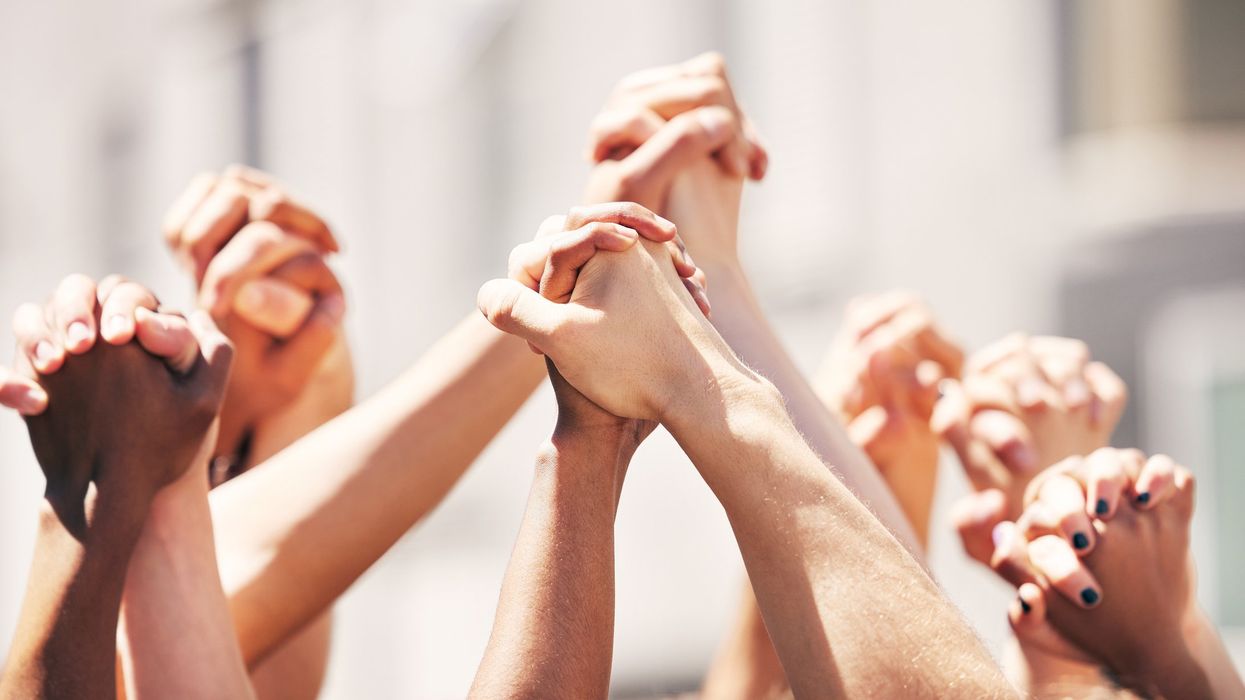
Hands holding a heart

Picture provided by Latino News Network

The Cost of Fear: What Immigration Enforcement Is Doing to Our Clinics

He was supposed to come in three months ago. When he finally returned to the clinic, it was not for routine follow-up. Instead, it was because he could no longer feel his feet, and his vision had begun to blur. He told us he had missed his appointments out of fear. Immigration enforcement activity in his neighborhood and rumors of Immigration and Customs Enforcement (ICE) near clinics made him afraid to be seen entering a healthcare space. So he stayed home. He rationed his insulin until it ran out. Now he sat before us with uncontrolled diabetes, worsening nerve damage, and worsening vision concerning diabetic retinopathy.

Stories like this are becoming increasingly common. In Minneapolis, recent ICE raids have sent shockwaves through immigrant communities, with reports of enforcement agents present in or near healthcare settings, including exam rooms. Families describe being too afraid to leave their homes, even to see a doctor, or choosing the most ill child to bring to urgent care because bringing multiple children would be too risky. Clinics meant to serve as places of healing are being transformed into sites of fear.

Keep ReadingShow less
An illustration of two people on opposite sides of a floor.

A new Pew Research survey shows most Americans question each other’s morality. Can civic friendship—championed by Washington, Jefferson, and Lincoln—restore trust in U.S. democracy?

Getty Images, Boris Zhitkov

Can Democracy Survive When Americans See Each Other as “Bad People”?

Last week brought more bad news for American democracy when the Pew Research Center released survey results showing that “Americans are more likely than people in other countries surveyed in 2025 to question the morality of their fellow countrymen.” As Pew reports, “The United States is the only place we surveyed where more adults (ages 18 and older) describe the morality and ethics of others living in the country as bad (53%) than as good (47%).”

It is one thing for people in a democracy to disagree about policies or who should lead the country. It is quite another for them to think of their fellow countrymen as immoral. Without a presumption of goodwill, even among those with whom we disagree, democratic politics runs aground.

Keep ReadingShow less
A President in Sheep’s Clothing and a Democracy in Decline

President Donald Trump speaks to members of the media traveling on Air Force One while heading to Miami on March 7, 2026.

(Photo by Roberto Schmidt/Getty Images)

A President in Sheep’s Clothing and a Democracy in Decline

Like a wolf in sheep’s clothing, America’s president is undermining the Republic by evading checks, consolidating power, and attacking democratic norms. He disguises his malicious intentions as innocence while dismantling policies and programs that would help citizens.

In earlier opinions, I wrote about three forces that corrode democracy: hypocrisy, corruption, and confusion. Hypocrisy creates a false image of leadership; corruption erodes public trust and suppresses voter participation; confusion keeps the public from seeing the truth. Together, they weaken the Republic.

Keep ReadingShow less