

Dear Joe,
Help! I'm going to visit with my family this Thanksgiving. While I love my family, there are some who have very different views than mine. For the last few years, many of our meals have ended with us screaming about politics and stuff. I don't know if I can keep doing this. Do you have any suggestions?
Overstuffed
Dear Overstuffed,
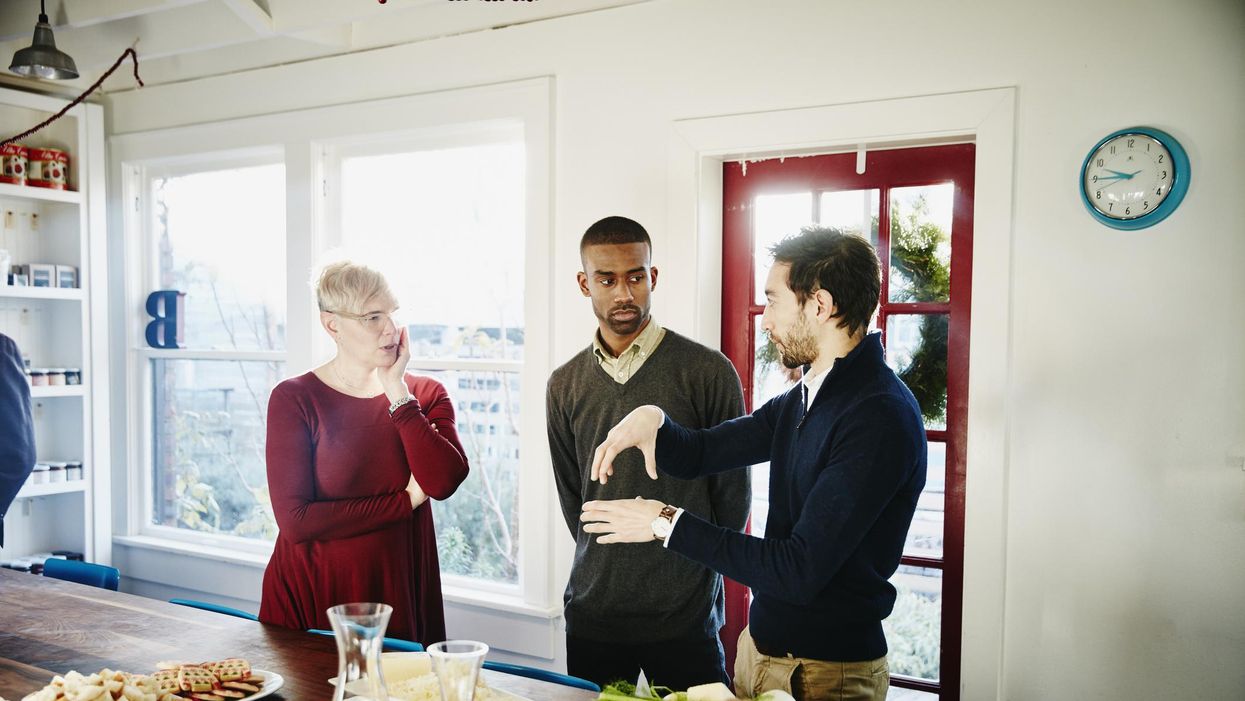
Yes, I'm getting this question a lot: how to survive the holidays with family and friends who voted differently than you, or hold opposing views about politics and public health.
Tension and anxiety are high. Polarized viewpoints seem to be our new norm! In spite of this polarized context, there are ways for you to take care of yourself during the holidays, while preserving or reigniting the integrity of your relationships.
Here are some tips:
- Set boundaries. Here's an option: You have every right to respectfully say that you don't want to have any conversations about politics and that you will respectfully step away if such a conversation starts. Here's another: If you are feeling confident enough to engage in conversations, make it clear, in a respectful way, that you are willing to discuss politics, but only if everyone involved is willing to listen with an open heart. If that is not agreed upon, then make it clear that you will be excusing yourself when those conversations begin.
I call the first option the "No!" strategy, where you set a firm boundary to have zero discussions on volatile topics. This strategy can help when you feel unsafe or feel threatened. The second, I call the "No, and ..." strategy where you say, "I'm still willing to engage. However I will only do so if you honor this need."
You have a range of options, far more than just yes or no. Recognizing the subtleties of boundary-setting can lead to empowering openings for all involved!
2. Be curious. Notice your own words, practice silence and do your best to listen. The dinner table might not be the best place for others to hear your viewpoints. Consider your attachment to being right and to proving others wrong. If you listen to what others have to say, you may learn something new, or receive information you didn't have previously, that might help you find common ground and peace at this time.
3. Show love and compassion. If the people you will be spending time with are family or friends, remember how they have loved you, and how you have loved them. Though views evolve and connections can become strained, these bonds may transcend politics and beliefs on vaccines and masks.
4. Practice daily: Find time to do the things that empower you and bring you balance and peace. Do practices that currently work for you – jogging, yoga, tai chi, etc. This can help you regulate your nervous system and foster stronger connection to your heart.
5. Contact your support network. Sometimes connecting with allies can reduce anxiety and tense emotions. Perhaps you can arrange with three of your trusted friends that if you need them, they will be close to the phone to help you ground and find balance. Offer to be a support to your friends as well.
6. Use humor. See whether you can keep things light. Human beings – all of us – are pretty funny creatures. Humor is a great way to diffuse tension and reactive behavior and still stay engaged, without feeling like you are betraying your boundaries or integrity.
These are just a few ideas. Perhaps you have others? I'd love to hear about them.
We are navigating a time of tremendous transitions which offers challenges as well as opportunities for growth. Resilience grows through respect; compassion helps us build bridges, which we need now more than ever.
Sending you holiday wishes of peace, inner strength and compassion with yourself and others.
Joe
"Ask Joe" is dedicated to exploring the best ways to transform tensions and bridge divides. Our resident advice columnist and conflict resolution specialist, Joe Weston, is here to answer your questions in order to resolve tension, polarization, or conflict.
Learn more about Joe Weston and his work here. Make sure to c heck out Joe’s bestselling book Fierce Civility: Transforming our Global Culture from Polarization to Lasting Peace, published March 2023.
To Ask Joe, please submit questions to: AskJoe@Fulcrum.us.