
Skip to content
Search

Latest Stories

Top Stories

Bipartisan Campaign Reform Act

The 2002 law that banned soft money contributions to federal candidates and national political parties. It also required candidates to declare they "approve of this message" in all their radio and television advertising. Also known as McCain-Feingold .

Read more about BCRA.


Read More

Taxpayer-Funded, Closed to Millions: The Growing Push to Reform Kentucky’s Primaries

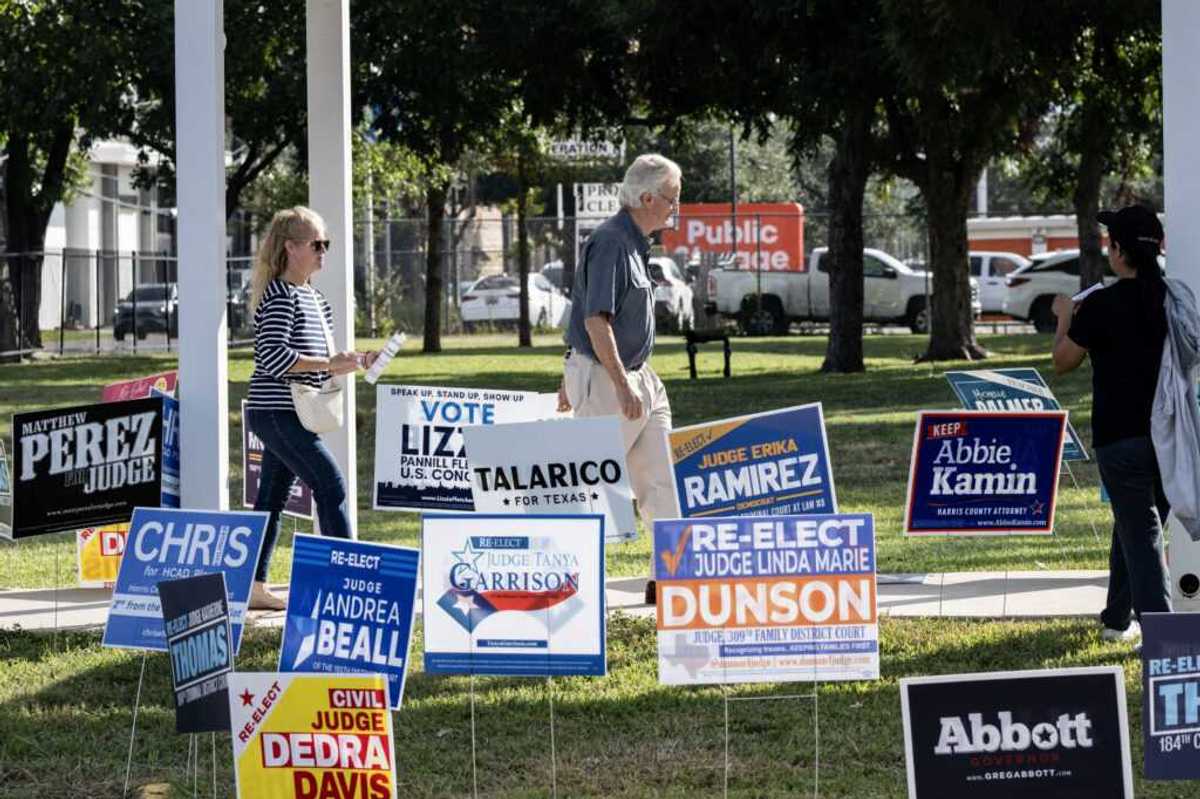
More than half of America’s military veterans identify as independents, not Democrats or Republicans. Yet in many states with closed primary systems, those voters are barred from participating in taxpayer-funded primary elections. Because veterans swear an oath to defend the Constitution, not a political party, a growing coalition of veteran-led organizations is advocating for open primaries and other electoral reforms designed to expand voter participation and strengthen representative democracy.

In Kentucky, veterans have emerged as leading voices in a nonpartisan campaign to open the Commonwealth’s closed primary system. Their efforts come as the state's electorate shifts: independent voters are the fastest-growing segment of registered voters.

Keep ReadingShow less
A male senior stands in the shadow of a Social Security card with bite missing.

Social Security faces automatic cuts in 2032 and Medicare in 2033. New polling suggests that gives Democrats a powerful election issue. Here’s the case.

DNY59 / Getty Images

Will the Debt Crisis Engineered by Republicans Succeed in Cutting Social Security and Medicare?

Overview

The Republican Party’s long game to reduce administrative state entitlement spending centers on creating a debt crisis to provide an excuse for limiting such spending. It may soon pay off. That strategy involved a quarter-century of engineered tax cuts responsible for the stunning rise in sovereign U.S. debt, threatening an eventual economic crisis.

Social Security benefits are projected under current law to be automatically cut in 2032. And Medicare benefits are projected to be automatically cut in 2033. Congressional Republicans intend for those automatic cuts to occur, opposing new taxes to prevent cuts. And they are using the ballooning national debt as an excuse to also oppose new general revenue spending to prevent benefit cuts.

Keep ReadingShow less
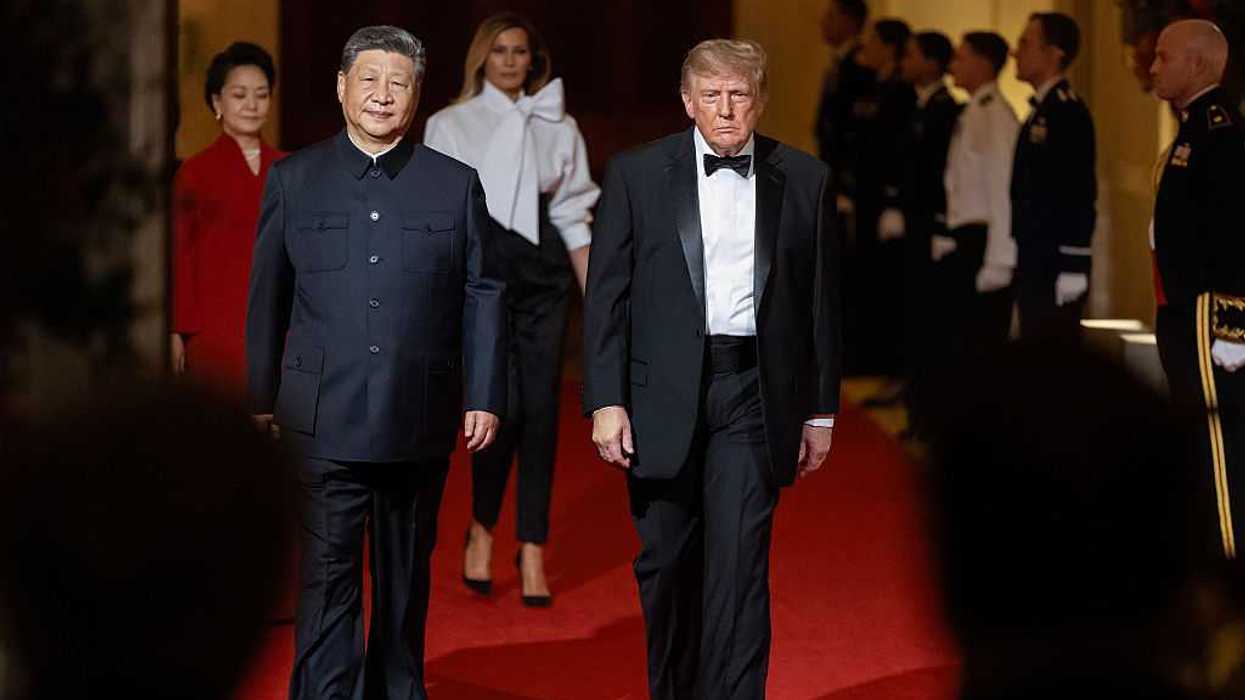
​Chinese President Xi Jinping (L) and U.S. President Donald Trump followed by Chinese first lady Peng Liyuan and U.S. first lady Melania Trump arrive for a state dinner at the White House.

Chinese President Xi Jinping (L) and U.S. President Donald Trump followed by Chinese first lady Peng Liyuan and U.S. first lady Melania Trump arrive for a state dinner in the East Room of the White House on September 24, 2026 in Washington, DC.

Kevin Dietsch/Getty Images

When Leaders Disagree, Ceremony Plays an Important Role

When Chinese President Xi Jinping arrived at the White House on 24 September, the U.S. welcomed him with an elaborate display of ceremony. The Army Herald Trumpets sounded a fanfare, the Chinese and American national anthems were played, and the Old Guard Fife and Drum Corps performed. A military review was followed by a flyover involving a B-2 bomber and four F-22 fighter jets, according to the White House. It was an extraordinary production for two countries that still disagree on some of the most important issues in international politics.

Talks between President Donald Trump and Xi touched on trade, artificial intelligence and Taiwan. The visit was marked by warm words and some signs of cooperation, but it did not erase the fundamental competition between the United States and China. So why was all this ceremony staged? It is tempting to dismiss political pomp as mere window dressing: an expensive historical relic surrounding the serious business taking place behind closed doors. As a music historian, however, I think this misunderstands what ceremony does. Ceremony can become particularly valuable when words alone are not enough.

Keep ReadingShow less