

Skip to content
Search

Latest Stories

Follow Us:
Top Stories

Podcast: The good gamble

Podcast: The good gamble

On this episode of "Democracy in Danger", legal scholar Jedediah Purdy joins hosts Will and Siva to help launch a new season focused on democracy, law and the people. Can Americans transcend gross inequality, neoliberal ideology, and the “politics of nihilism” taking root among their leaders? Looking to Frederick Douglass for inspiration, Purdy thinks so. His new book urges readers to reimagine and rebuild their body politic — to rule themselves at last. It may be a crapshoot, but it’s one a free people can’t afford to pass up.

https://open.spotify.com


Read More

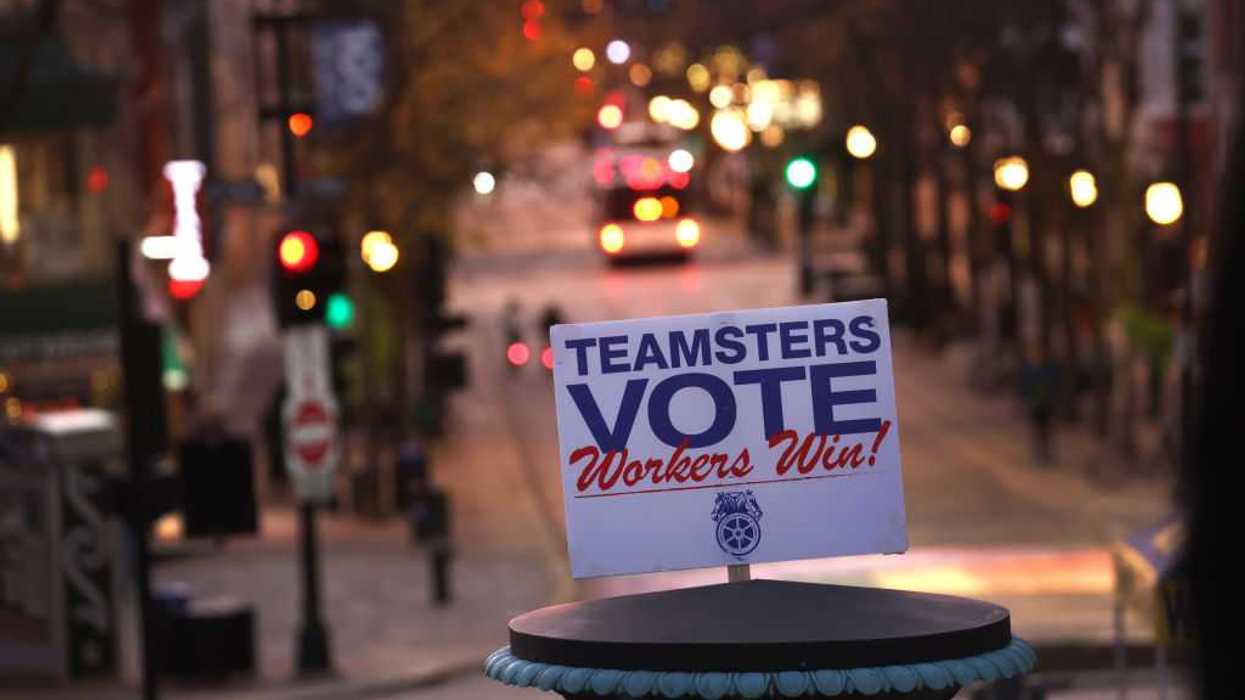
A union vote sign is displayed in front of the state capital building

A union vote sign is displayed in front of the state capital building during a rally to support democratic candidates hosted by the Teamsters on November 7, 2022 in Madison, Wisconsin.

Scott Olson/Getty Images

How Labor Unions Swung the 2026 Midterms—and Eye 2028

Are labor unions and worker advocates on the rise, organizing to win elections as well as better wages and working conditions? Recent activities suggest: possibly yes. If so, workers and unions will expect the new Democratic majorities in Congress and state legislatures to deliver on an affordability and pro-worker agenda.

Post-election, the media has reported that certain demographics of voters who supported Donald Trump in 2024 reversed course and strongly supported Democratic candidates. The shift was particularly prominent among Hispanic/Latino voters and young adults, especially young men.

Keep ReadingShow less
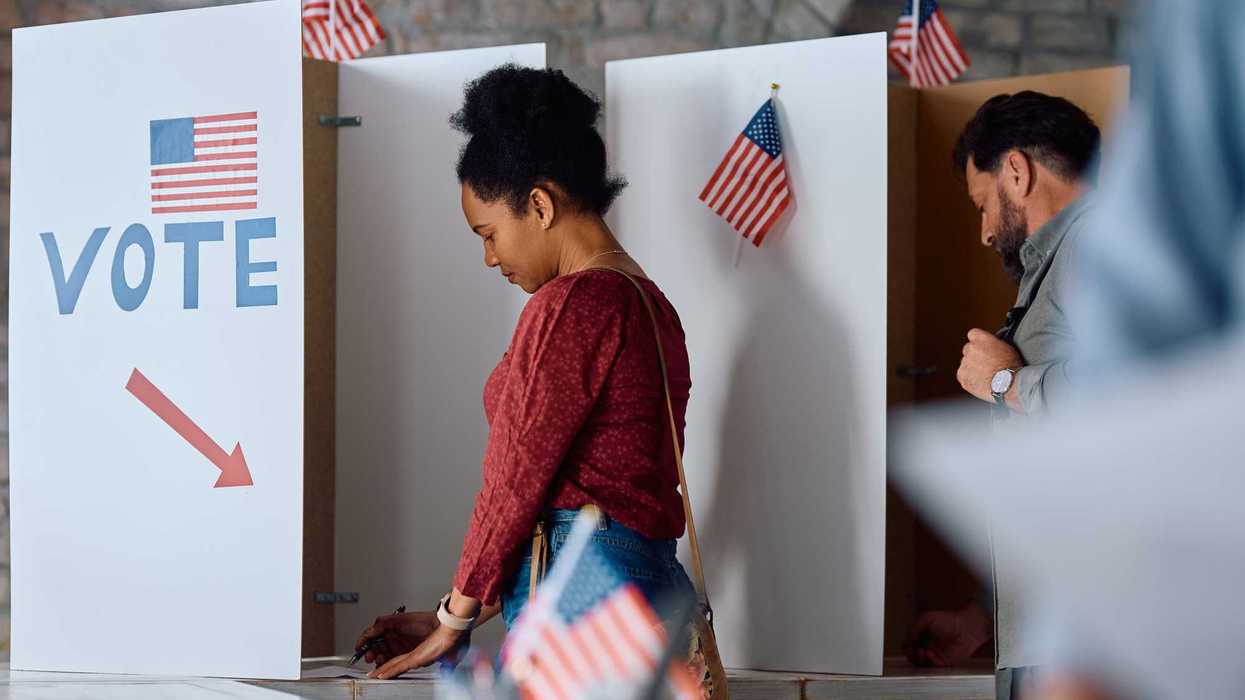
A Black woman voting at a poll booth.

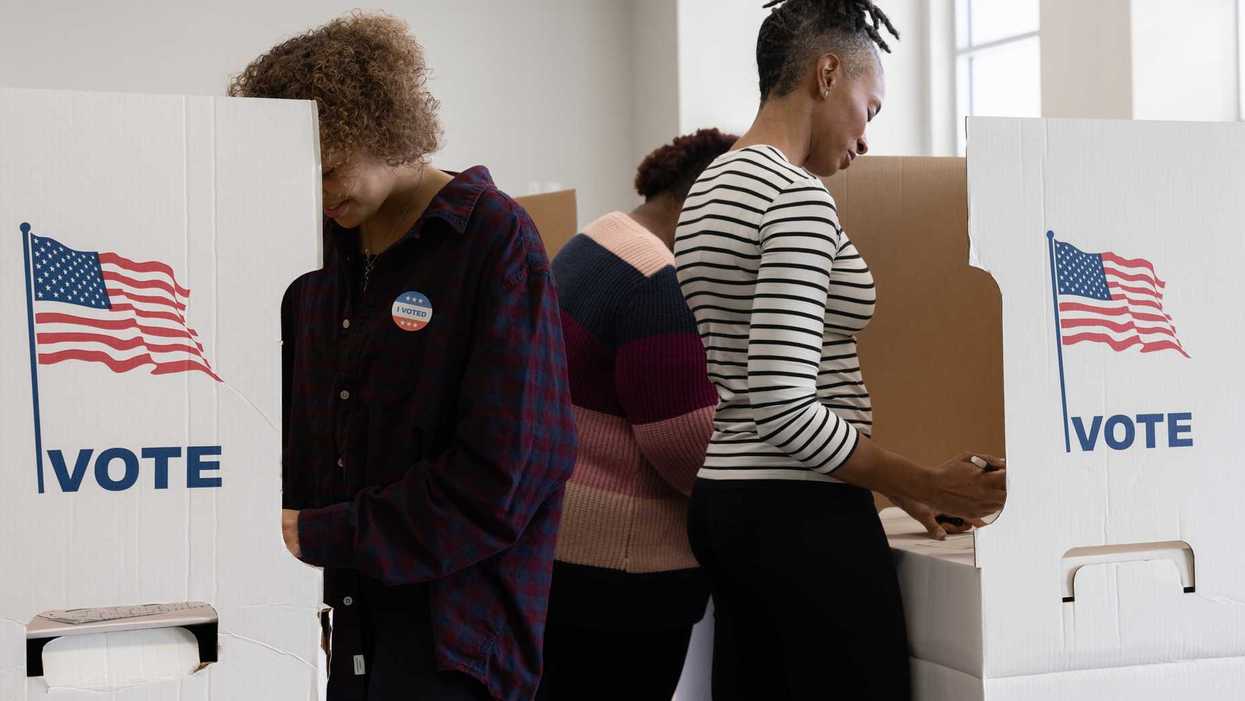
Black women delivered historic Democratic wins in the 2026 midterms. Now they demand action on federal jobs, voting rights, and maternal health—not just thanks.

Drazen Zigic/Getty Images

What, to the Black Woman, Is a Blue Wave?

In 1852, the Rochester Ladies’ Anti-Slavery Society invited Frederick Douglass to speak at its Independence Day celebration. He accepted, praised the founders, and then asked the question that made the speech famous: what, to the slave, is the Fourth of July? He told his audience, “This Fourth of July is yours, not mine. You may rejoice, I must mourn.”

This Thanksgiving week, as Democrats celebrate their historic wins and thank the voters who delivered them, I’ve been thinking about what I’m thankful for. I’ve also been thinking about Douglass, who was invited to celebrate a nation and used the invitation to ask whom the celebration was for.

Keep ReadingShow less