


Skip to content
Search

Latest Stories

Follow Us:
Top Stories

Video: How do we stabilize our democracy?

Losers’ Consent: How do we stabilize our democracy?

The insurrection at the U.S. Capitol on January 6 was not an isolated incident. Instead, it marked the culmination of the ongoing degradation of our political culture. A successful democracy relies upon the consent of its losers— both voters and candidates. But over the last two decades, American political losers have increasingly refused to consent to the winners. R Street Institute looks at what can be done to reverse this trend and develop a healthier political culture?


Read More

President Franklin D. Roosevelt addressing congress, December 8, 1941.

President Franklin D. Roosevelt addressing congress, December 8, 1941.

Getty Images, Fotosearch

Four Freedoms: What We Are Fighting For

The record of the Trump 2.0 administration is one of repeated usurpations and injuries to the body politic: fundamentally at odds with the principles of democracy, without legal or ethical restraint, hostile to truth, and indifferent to human suffering. Our nation desperately needs a stout and engaging response from the party out-of-power. It’s necessary but not sufficient for Democrats to criticize Trump, rehearsing what they are against. If it is to generate renewed enthusiasm among voters, the Democratic Party must offer a compelling positive message, stating clearly what it stands for.

Fortunately, Democrats don’t need to reinvent this wheel. They can reach back to a fraught moment in our history when a president brought forward a timely and nationally unifying message, framed within a coherent, memorable, and inspiring set of ideas. In his address to Congress on Jan. 6, 1941 – a full 12 months before Pearl Harbor – Franklin Delano Roosevelt termed the international spread of fascism an “unprecedented” threat to U.S. security. He also identified dangers on the home front: powerful isolationist leanings and, in certain quarters, popular support for Nazi ideology. Calling for increased military preparation and war production (along with higher taxes), he reminded citizens “what the downfall of democratic nations [abroad] might mean to our own democracy.”

Keep ReadingShow less
Marco Rubio is the only adult left in the room

U.S. Secretary of State Marco Rubio delivers a keynote speech at the 62nd Munich Security Conference on Saturday, Feb. 14, 2026, in Munich, Germany.

(Johannes Simon/Getty Images/TNS)

Marco Rubio is the only adult left in the room

Finally free from the demands of being chief archivist of the United States, secretary of state, national security adviser and unofficial viceroy of Venezuela, Marco Rubio made his way to the Munich Security Conference last weekend to deliver a major address.

I shouldn’t make fun. Rubio, unlike so many major figures in this administration, is a bona fide serious person. Indeed, that’s why President Trump keeps piling responsibilities on him. Rubio knows what he’s talking about and cares about policy. He is hardly a free agent; Trump is still president after all. But in an administration full of people willing to act like social media trolls, Rubio stands out for being serious. And I welcome that.

Keep ReadingShow less
“Pulling Donald Trump’s Teeth”

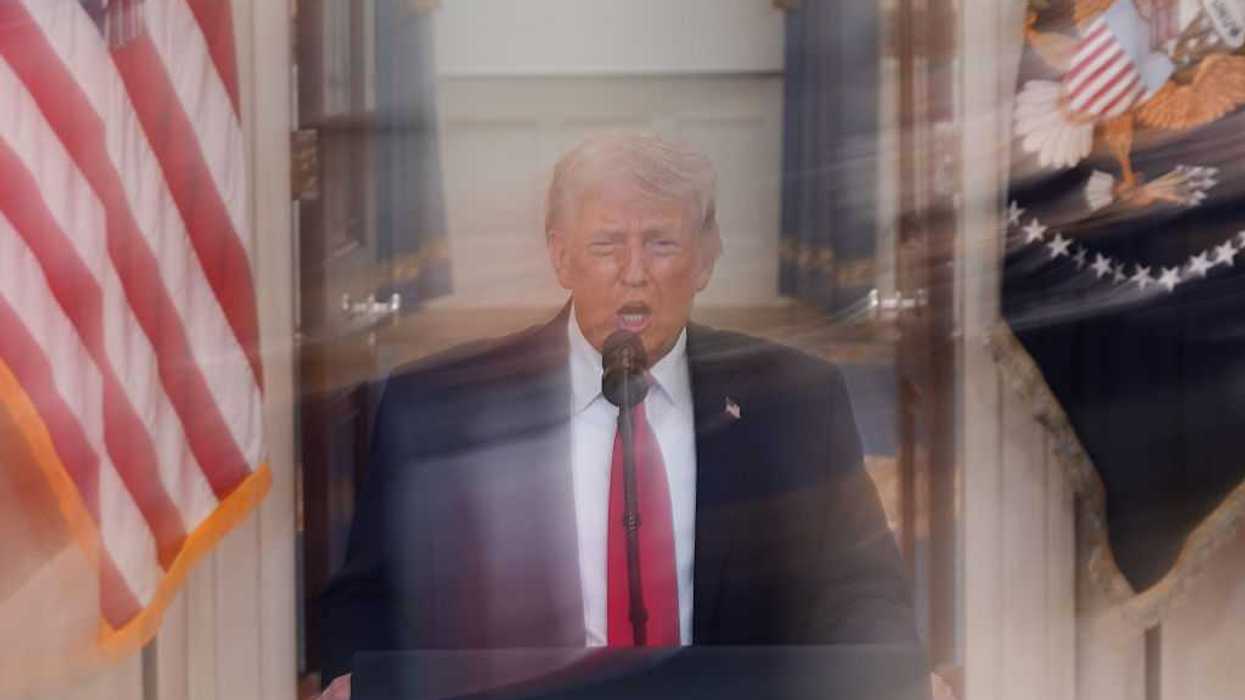
U.S. President Donald Trump speaks alongside Secretary of Commerce Howard Lutnick (C) and U.S. Trade Representative Jamieson Greer (R) during a press briefing held at the White House February 20, 2026 in Washington, DC.

Getty Images, Anna Moneymaker

“Pulling Donald Trump’s Teeth”

I came of age, politically speaking, during the presidency of one of the two most polarizing figures in our recent history. I am aging out during the presidency of the second one.

Richard Nixon and Donald Trump rose to power in markedly different ways but suffered remarkably similar falls from public grace while they were in office. Whatever demons and character flaws may have driven them to wield power as they did obviously played a part in their rise and fall, but they are irrelevant to the central point of this essay.

Keep ReadingShow less
Autocracy for Dummies

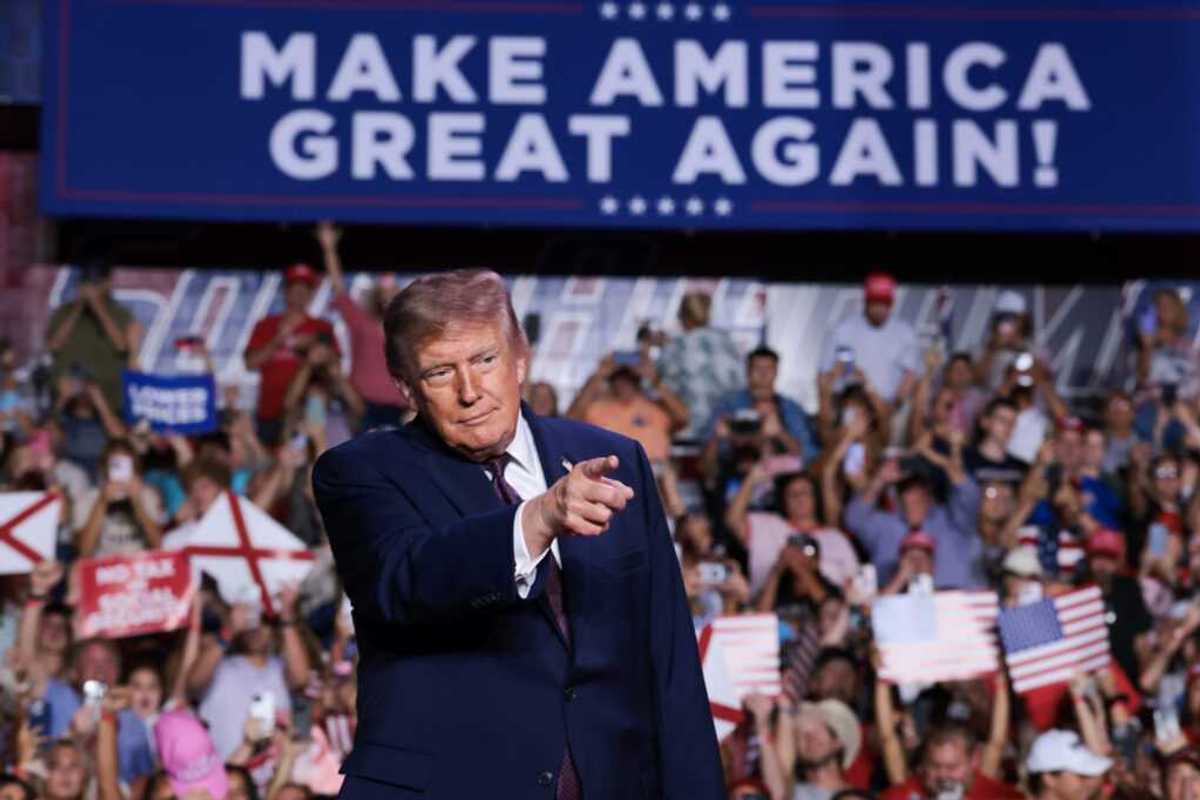
U.S. President Donald Trump on February 13, 2026 in Fort Bragg, North Carolina.

(Photo by Nathan Howard/Getty Images)

Autocracy for Dummies

Everything Donald Trump has said and done in his second term as president was lifted from the Autocracy for Dummies handbook he should have committed to memory after trying and failing on January 6, 2021, to overthrow the government he had pledged to protect and serve.

This time around, putting his name and face to everything he fancies and diverting our attention from anything he touches as soon as it begins to smell or look bad are telltale signs that he is losing the fight to control the hearts and minds of a nation he would rather rule than help lead.

Keep ReadingShow less