Schmidt is a columnist and editorial board member with the St. Louis Post-Dispatch.
Ableism, the social prejudice and discrimination of people with disabilities based on the belief that typical abilities are superior, is just plain wrong and it is also un-American.
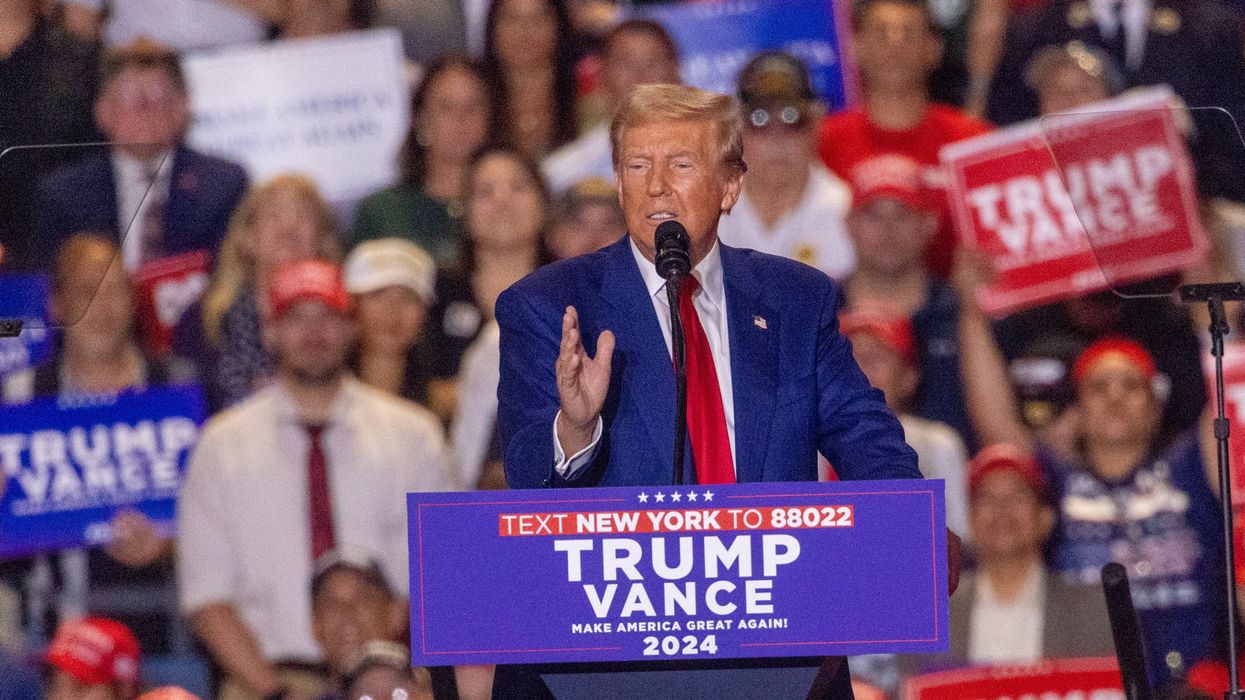
At a recent campaign rally in Prairie du Chien, Wis., former President Donald Trump disparaged Vice President Kamala Harris, suggesting she was mentally disabled and called her “a very dumb person.”
Trump told the crowd: “Joe Biden became mentally impaired. Kamala was born that way. She was born that way. And if you think about it, only a mentally disabled person could have allowed this to happen to our country.”
Maria Town, CEO and president of the American Association of People with Disabilities, gave a statement to The Washington Post. “Trump holds the ableist, false belief that if a person has a disability, they are less human and less worthy of dignity,” she said. “These perceptions are incorrect, and are harmful to people with disabilities.”
As a mother of a child who was born mentally disabled, just reading Trump’s statements brought tears to my eyes. Since the former president has a history of mocking people with disabilities, I was not surprised. But it broke my heart to read that the crowd responded in cheers.
Trump insinuated that having a mental disability makes a person incapable of being a good steward. He couldn’t be more wrong.
Here is a list of the qualities and attributes that my daughter brings to the table and why, judging on character alone, she is more of a leader than Trump will ever be.
My daughter loves this country and thinks it is already exceptional. She is always the first to stand for the national anthem when we attend a St. Louis Cardinals baseball game and enthusiastically enjoys celebrating America during our patriotic holidays.
Hardly a day goes by when Trump doesn’t diminish America by calling it a “chaotic hellscape,” a failing nation or a nation in decline — and that only he can “Make America Great Again.” Trump called Americans who died in war “losers” and “suckers.”
My daughter admits when she has done something wrong and apologizes for it. She has never spoken a bad word about anyone. Her heart is filled with love and empathy. She cares about her community and spends her time volunteering.
Back in 2023 a jury found Trump liable for the sexual abuse of E. Jean Carroll. A separate jury ordered Trump to pay $83.3 million to Carroll over defamatory remarks he made about her while he was president. He continues to make defamatory remarks against Carroll to this day.
My daughter follows the rules and has never broken the law.
Trump became the first former U.S. president convicted of felony crimes. He was found guilty of business fraud and is awaiting sentencing after the election. He remains under state and federal indictment for election interference in the 2020 election. Trump was also under federal indictment on classified documents charges in Florida until Trump-appointed Judge Eileen Cannon dismissed the case in July.
My daughter understands that if she has only one dollar, she can only spend one dollar. That said, she prefers to save her money.
Although Trump has never filed for personal bankruptcy, his businesses declared bankruptcy six times between 1991 and 2009. During his presidency, Trump added approximately $8 trillion to the national debt.
My daughter delivers cookies to our local firehouse every year on the anniversary of Sept. 11 as a way of saying thank you to our first responders.
Approximately 140 police officers were assaulted on Jan. 6, 2021. Capitol Police Officer Brian Sicknick died right after Jan. 6 and four law enforcement officers who worked at the Capitol that day died by suicide in the months that followed. The House select committee on the Jan. 6 attack report detailed that Trump remained inactive for 187 minutes before posting a video on Twitter telling his supporters that they should leave the Capital. The committee also found that it was Vice President Mike Pence who attempted to order National Guard troops to quell the violence.
To my knowledge, my daughter has not once lied.
The Washington Post Fact Checker clocked Trump making 30,573 false or misleading claims over the course of his four years in office.
Respect for individuals with intellectual disabilities can be bipartisan, as can the understanding that ableist language has no place in this country.
In early 2024, Sen. Bob Casey (D-Pa.) and Sen. Jerry Moran (R-Kan.) introduced the Words Matter Act, which would update the U.S. code by eliminating the words “mentally retarded” and replacing it with language that better respects the dignity of individuals with disabilities.
Casey said of the bill: “We have an obligation to uplift people with disabilities and ensure they are treated with dignity and respect.” Moran added. “Individuals with disabilities deserve to be respected and valued,”
Whether you are a Democrat, a Republican or an independent, let us agree to not denigrate any Americans, especially those with intellectual or physical disabilities, or elect people who do.








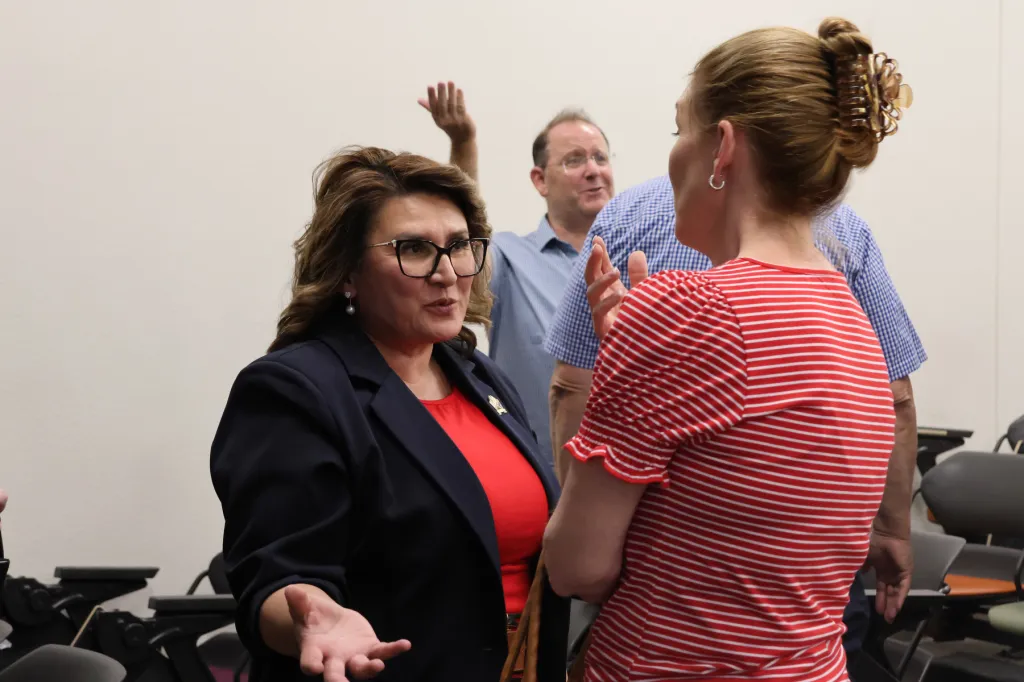 Congressional candidate JoAnna Mendoza has leaned into her working class background as she runs for a seat in the U.S. House to represent Arizona’s 6th congressional district. (Courtesy JoAnna Mendoza campaign)
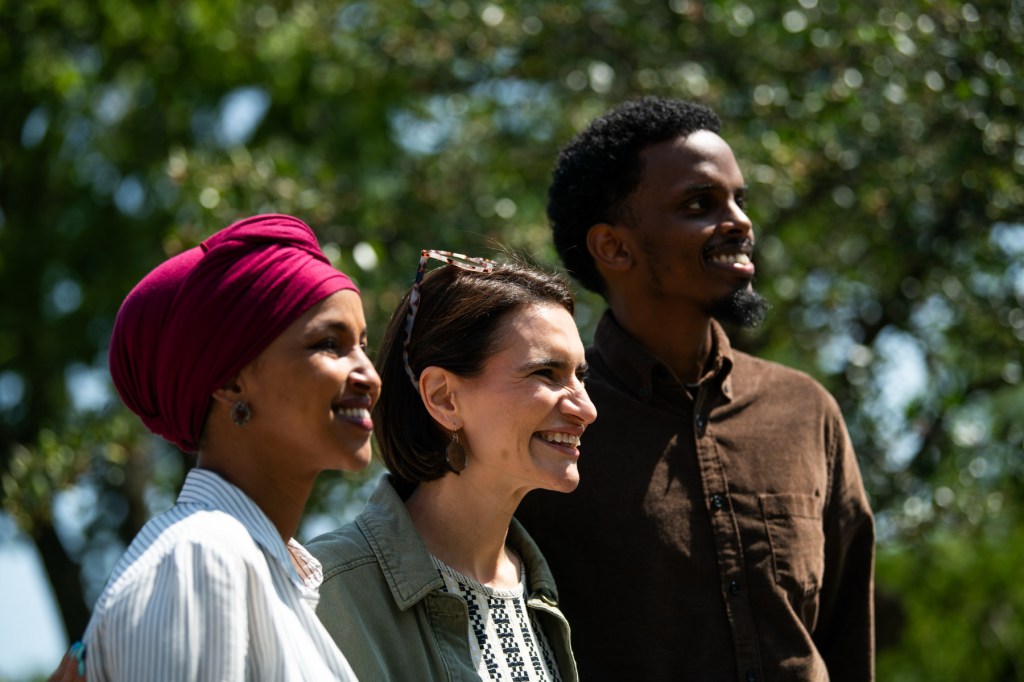 Politicians who come from working class backgrounds, like Minnesota Lt. Gov. Peggy Flanagan (center) and Minnesota state Sen. Omar Fateh (right), are resonating with voters during a particularly challenging economic period. (Stephen Maturen/Getty Images)