
Skip to content
Search

Latest Stories

Follow Us:
Top Stories

Video: Connection, not division

Youtube video from Civic Health Project
YouTube

Now more than ever our nation needs citizens to connect in the midst of the deep division that separate us. Healing America can begin with courageous conversation.

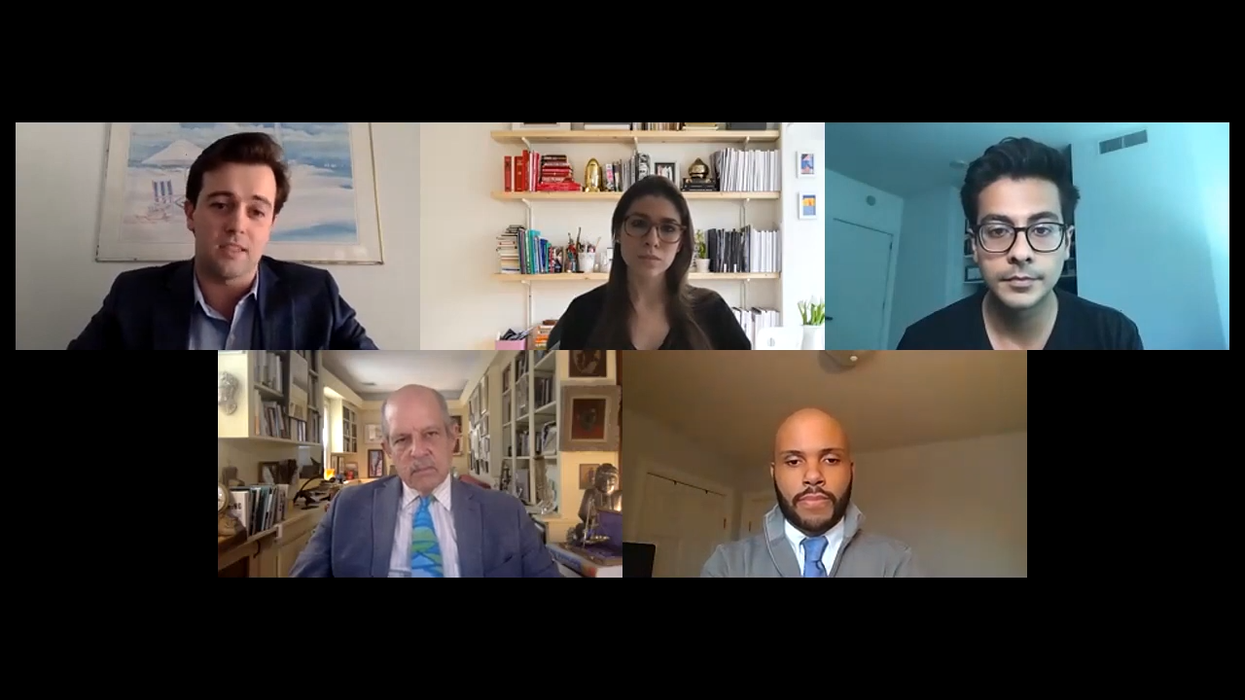
Enjoy this video from Civic Health Project titled, "How Do We Inspire and Equip America's Youth to Embrace Connection, Not Division?"


Are you ready to have the courage to engage over contempt? We'd love to hear your answer to this question. Reach us on Facebook or Twitter.

How Do We Inspire and Equip America's Youth to Embrace Connection, Not Division?www.youtube.com

Read More

megaphone

Hold up, above people big megaphone, bullhorn, at protest

Getty Images

What Protest Taught Me About American Democracy

The Fulcrum is committed to nurturing the next generation of journalists.

We asked Pechuqui Laurata, a Fall Fulcrum Fellow, to share what democracy means to her and her view of its current health.

Keep ReadingShow less
Texas Capitol building

Texas Capitol, Austin

Texas GOP’s Closed-Primary Push Hits Pause. The Next Fight Is in Austin

Austin, Texas—A federal court effectively told the Republican Party of Texas Friday that—at least for now—if they want primary elections closed, they will have to convince their members in the legislature to do it. This puts the matter on hold until the 2027 legislative session.

It wasn’t a dismissal. The court did not rule on the constitutionality of Texas’ open primary system. Instead, US District Judge Matthew Kacsmaryk paused the GOP’s lawsuit, stating that the Legislature may soon take steps to close the state’s primary elections on its own.

Keep ReadingShow less
First Amendment being torn

First Amendment text of the US Constitution ripped in half -- Freedom of Speech , Religion or Press unconstitutional concept

Getty Images

Lawsuit Says Press Access Is Essential to Democratic Accountability

When POLITICO, CNN, and MS NOW announced Monday that they were filing a federal lawsuit to restore their reporters’ access to the White House, they challenged more than the sudden and unexplained revocation of press credentials. They underscored a fundamental constitutional principle: a free press does not operate at the government's discretion.

According to their joint statement, the outlets are seeking urgent relief after the Secret Service denied their reporters entry to the White House complex on Saturday and confiscated their credentials. The action followed recent stories by these outlets examining the administration’s handling of classified documents and raising questions about transparency related to policy meetings. They wrote, “Without notice or process, the White House revoked our journalists’ credentials because it objected to our reporting. Left unchallenged, this threatens press freedom and the public’s right to independent journalism free from government interference.”

Keep ReadingShow less
Cropped shot of a group of people joining their hands in solidarity

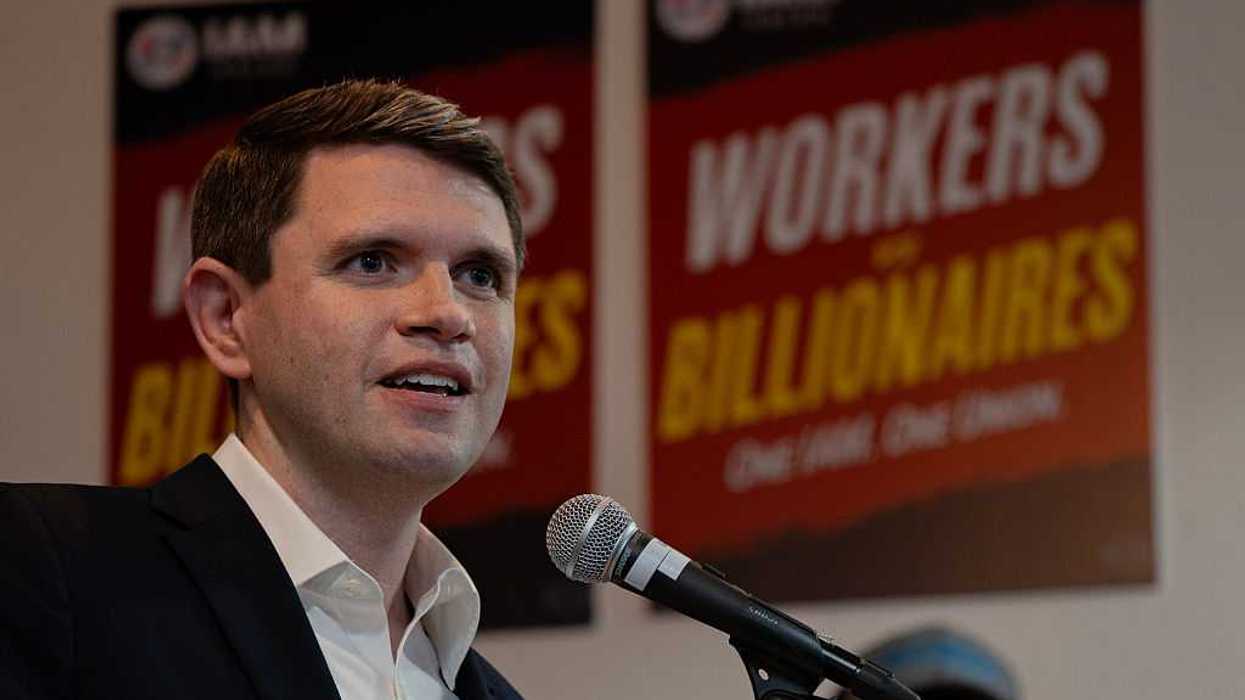
A new union political director explains why labor membership has halved since 1983 even as public approval hits record highs—and what's driving the gap.

LumiNola/Getty Images

The Ongoing Fight for Bread and Roses

Last Monday, I started a new job as the political director for IBEW 569, a local electrical workers' union based here in San Diego. In talking to friends about what I’m doing–while learning, fast, in real time, how to do the job myself–it occurred to me that there’s actually quite a knowledge gap in society today regarding an understanding of what unions are and what they’re supposed to do. So let’s get into it.

A union is, at its core, a group of workers who agree to negotiate together instead of alone. One worker asking a boss for a raise has almost no leverage. A thousand workers asking together hits different. That leverage of teamwork, that collective bargaining, is how the overtime pay, workplace safety standards, and employer-sponsored health insurance all came to exist in this country. None of it was handed down out of corporate goodwill. Fair wages (bread) and dignity (roses) were won, often at real cost. In 1890, the average workweek for manufacturing employees and building tradesmen was around 100 hours or more. Workers in Chicago who rallied for an eight-hour workday faced police violence, but we have that and weekends now because people were willing to lose their jobs, and sometimes their lives, to organize for it.

Keep ReadingShow less