David Nevins is co-publisher of The Fulcrum and co-founder and board chairman of the Bridge Alliance Education Fund.
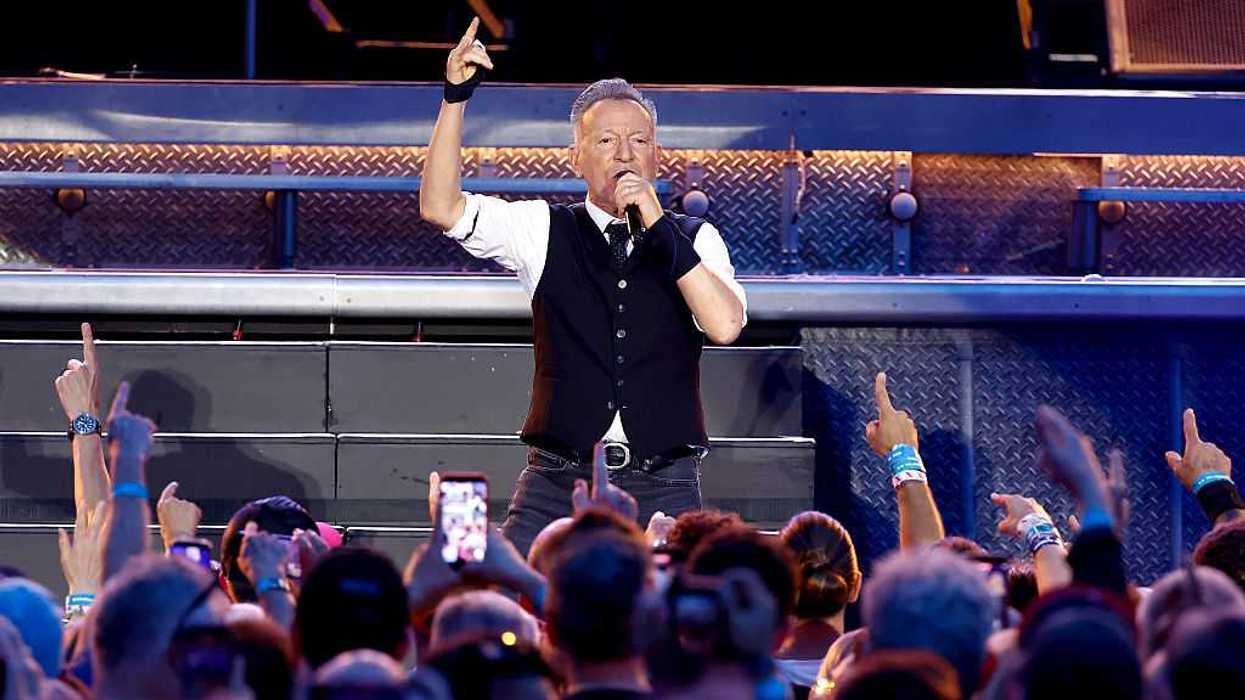
Music has long been a catalyst for change in America. The unique exchange between a great performer and their audience can raise the collective consciousness in powerful ways.
This unique connection between the arts and democracy manifests itself in many ways today. Whether it is Taylor Swift urging Americans to vote or country singer Luke Coombs using the healing power of music in his hit song “The Great Divide” or John Legend singing “War is over” at Graceland this past Christmas, music continues to bind us together as Americans.
Jazz in particular manifests this connection between music and democracy. Famed trumpeter Wynton Marsalis believes “Jazz music is the perfect metaphor for democracy.”
Today this concept lives through The Jazz & Democracy Project Curriculum Think Tank, a professional development course for teachers as well as a burgeoning network of educators utilizing J&D material and pedagogy in learning spaces from elementary school to higher education.
Founder Wesley Watkins IV first proposed the curriculum as part of the Stanford University School of Education’s Undergraduate Honors program and since then it has blossomed into a national program with international reach that cultivates a profound understanding of American democratic ideals. J&D brings American democracy to life, enriches the study and teaching of U.S. history, government, civics and culture, and inspires youth to become active, positive contributors to their communities.
J&D was designed with four specific goals in mind:
- Students will demonstrate an understanding of the jazz process.
- Students will demonstrate an understanding of the American democratic process.
- Students will demonstrate an understanding of the connection between jazz and American democracy.
- Students will demonstrate an interest in taking part in the democratic process.
In sum, the program is a unique and engaging way for students to think critically about society and their place within it. It was created to be integrated into social studies, history, government, civics and even language arts classrooms, for students with no musical background. However, J&D provides a new spin for band and music classes as well. What is more, the program is able to reach students across the ability spectrum: "For high achieving kids, J&D offers a different lens from which to interpret something they already understand well. For kids that struggle, J&D could be the missing link for connecting to complex curriculum," said one high school teacher.
For our democracy to survive and prosper, elementary through college students must learn the value of a democratic society alongside a sense of civic responsibility. Democracy is not a spectator sport and through this interdisciplinary project students develop a clever picture of how they can participate in the democratic process.
To better understand the connection between jazz and democracy, and to feel the power of Watkins’ Jazz & Democracy project, enjoy this short video:
The Jazz & Democracy Project® Curriculum Think Tankwww.youtube.com