

Skip to content
Search

Latest Stories

Top Stories

​Images of the day a president's mob sought to defeat democracy

rioters at Capitol
Samuel Corum/Getty Images

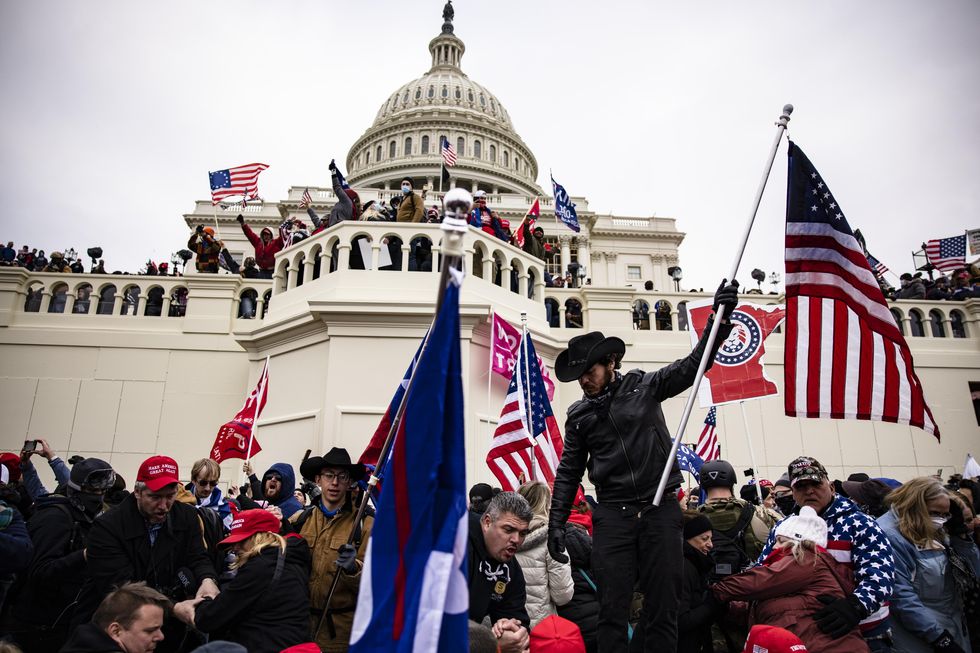
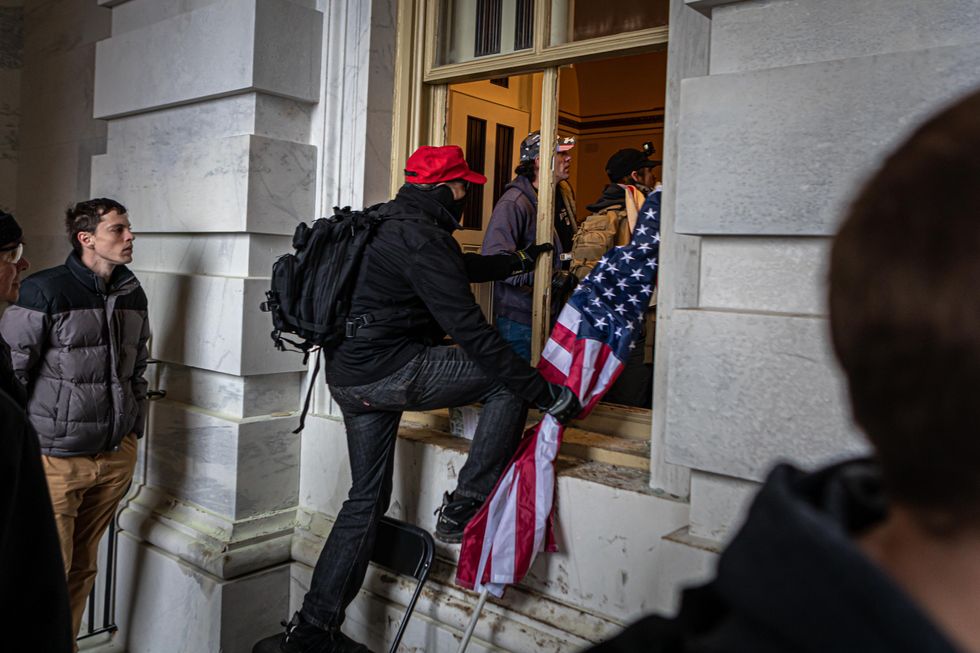
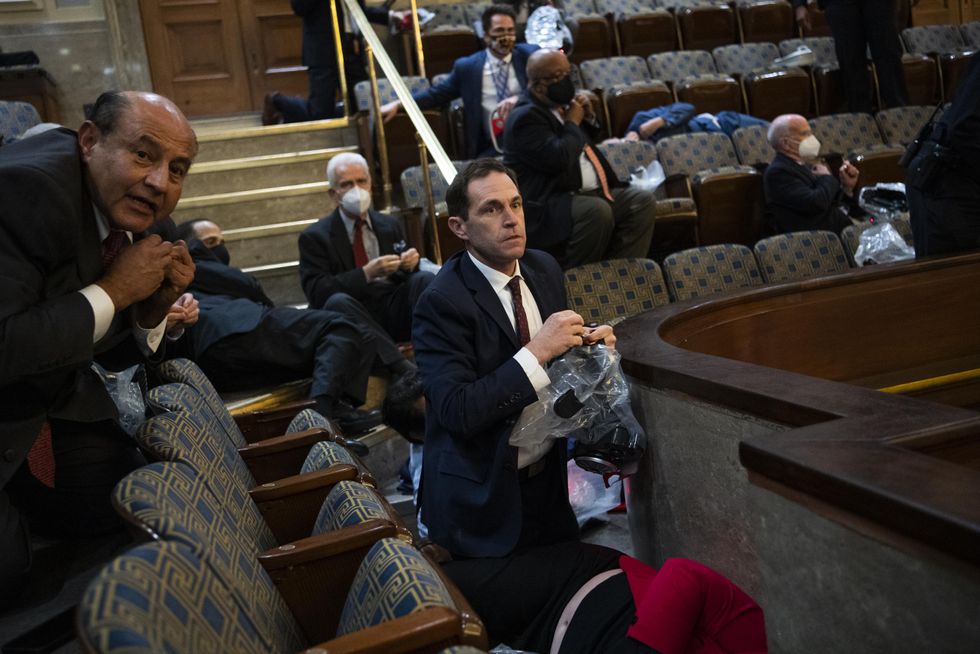
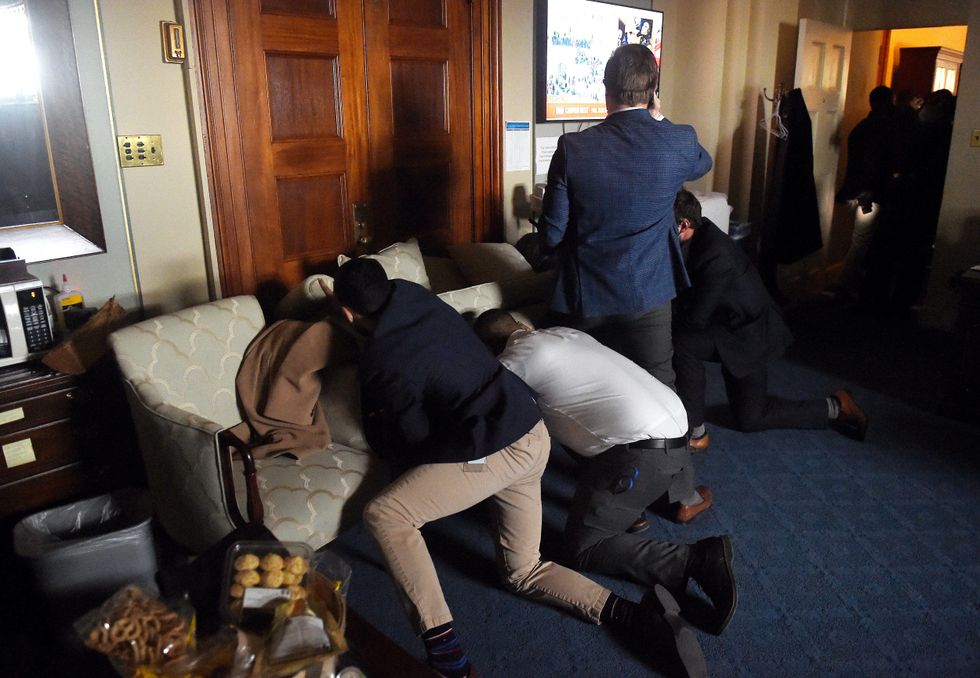
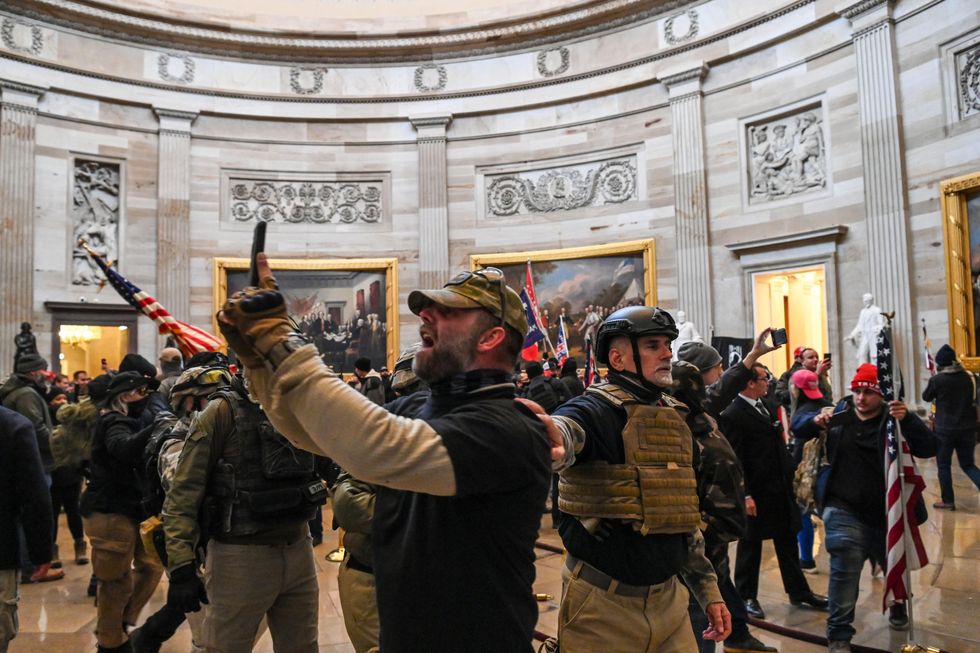
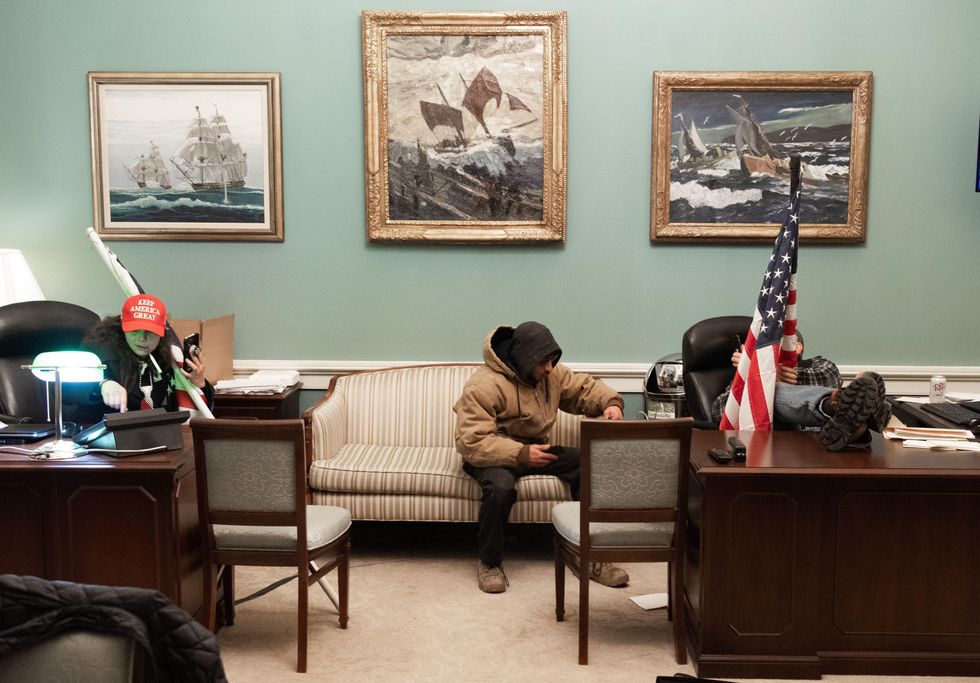
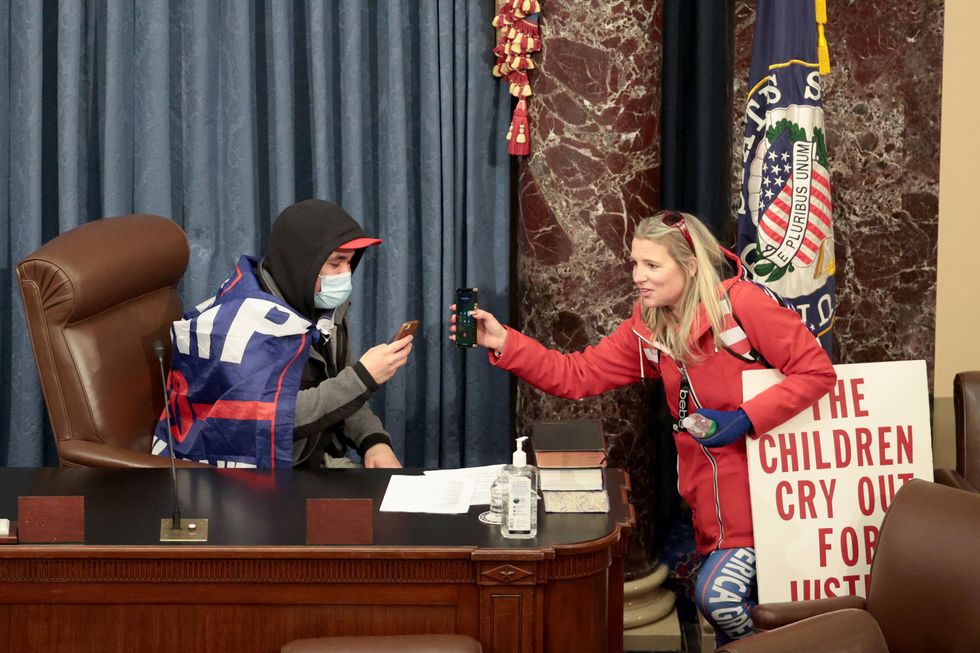
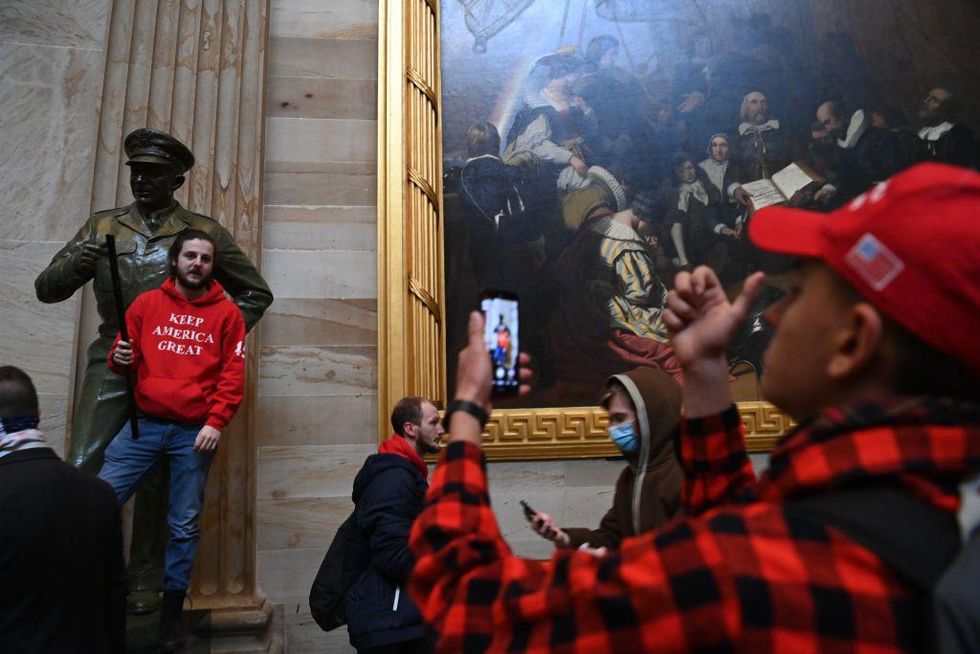
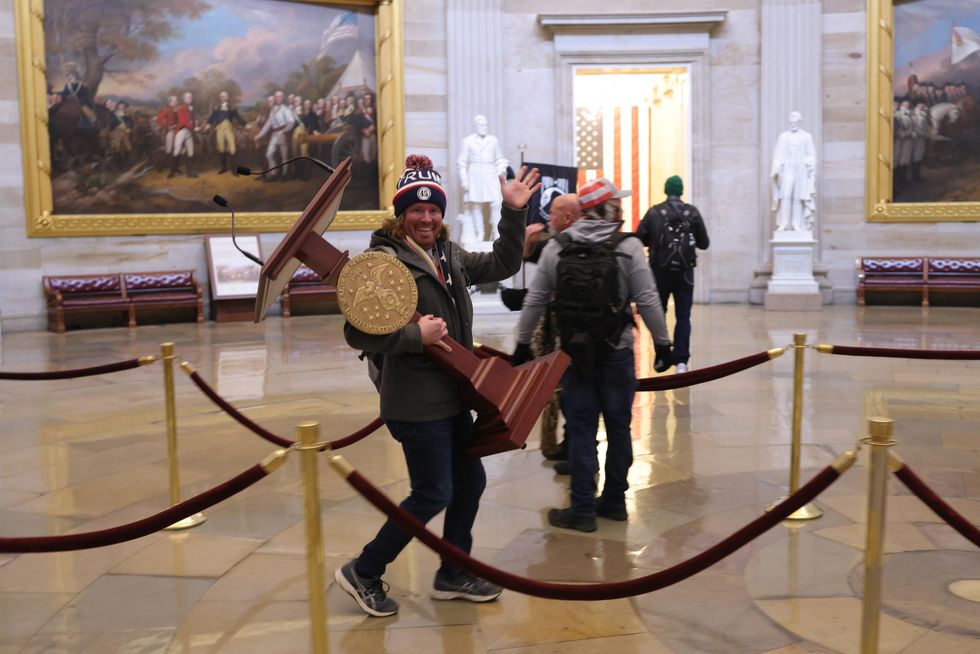
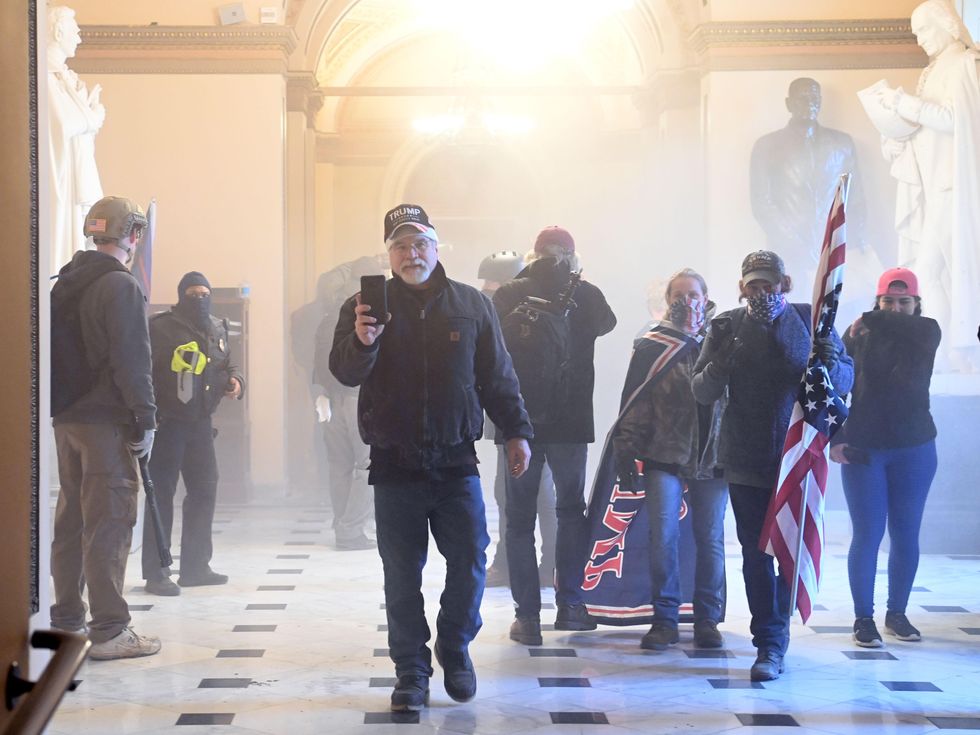
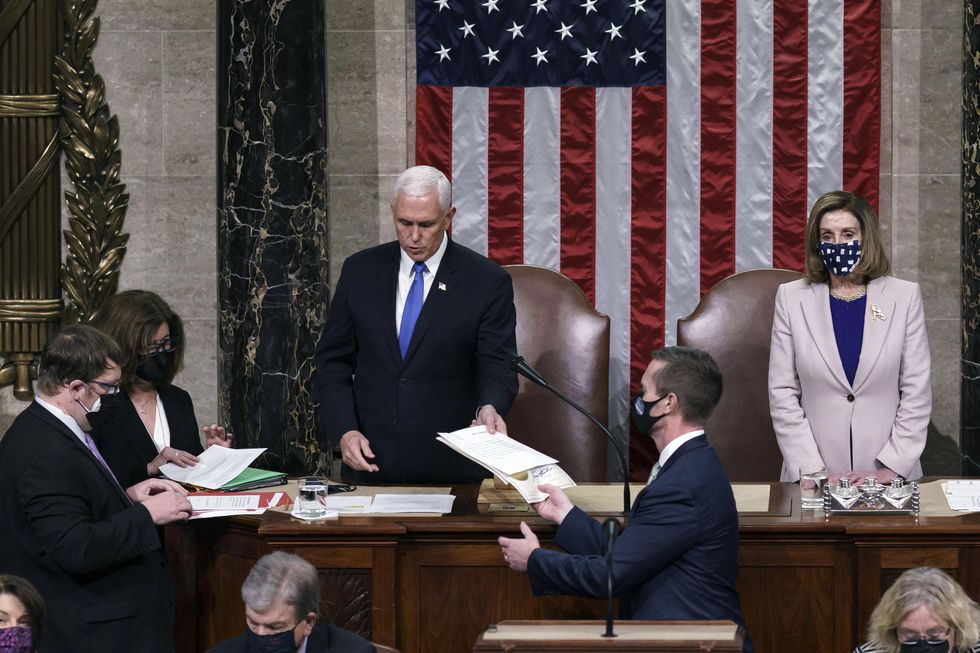
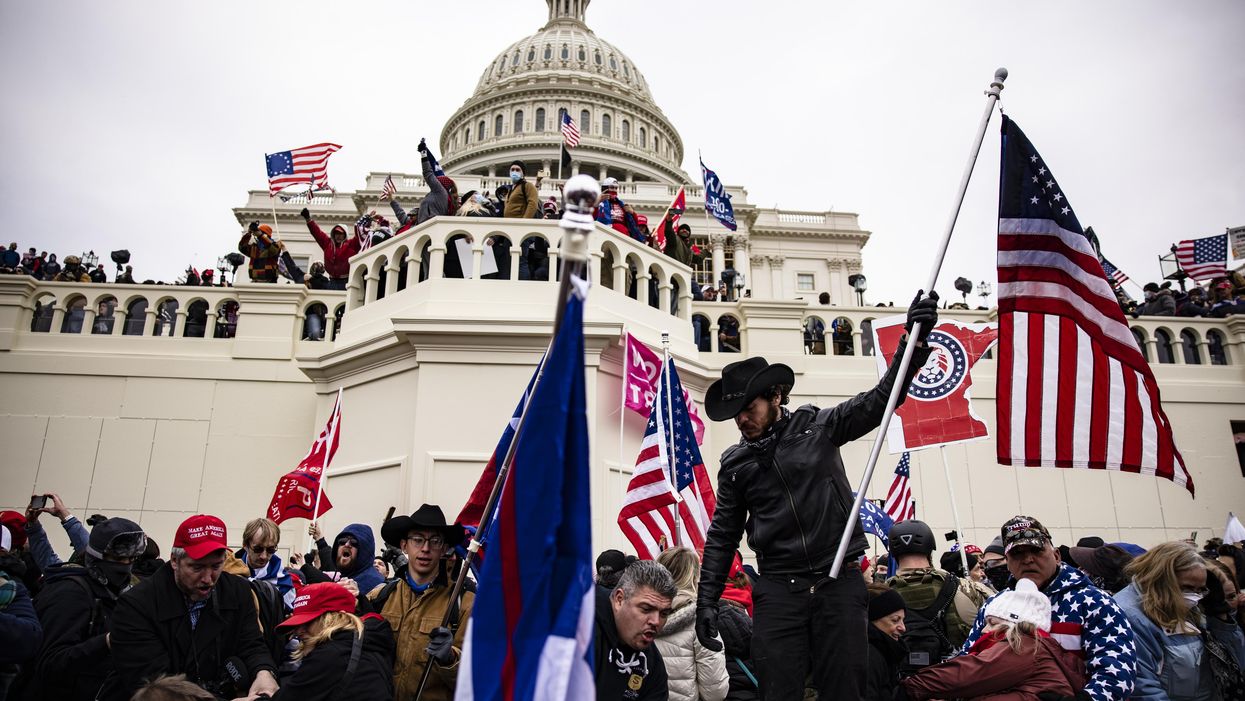
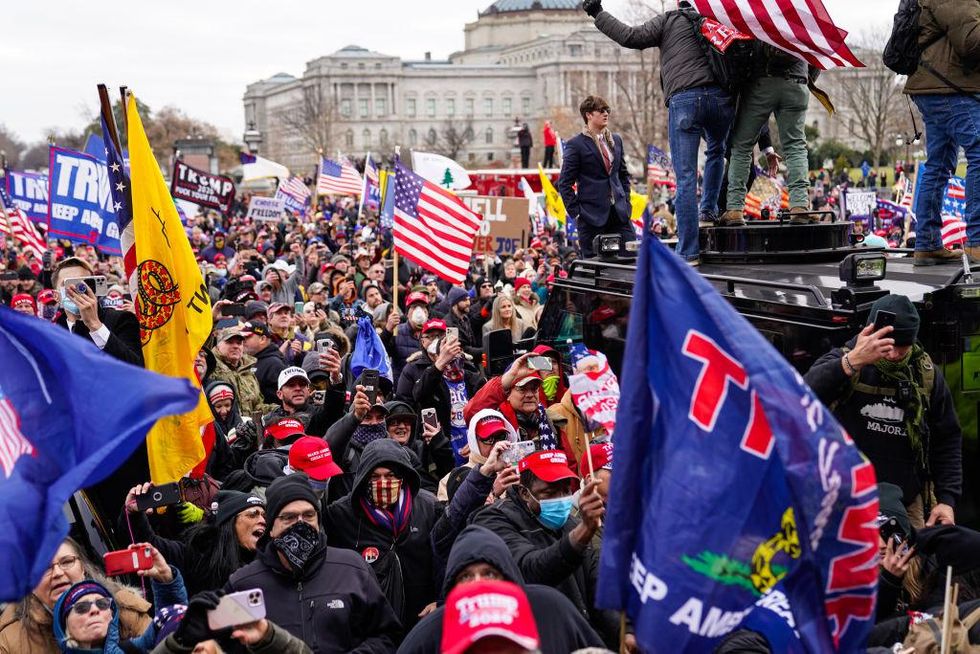
American democracy has been pushed to the precipice: A mob urged on by a defeated president rampaged through the Capitol as the whole world watched, before the unparalleled insurgency was put down and Congress reconvened to affirm early Thursday that a different president had without question been elected.

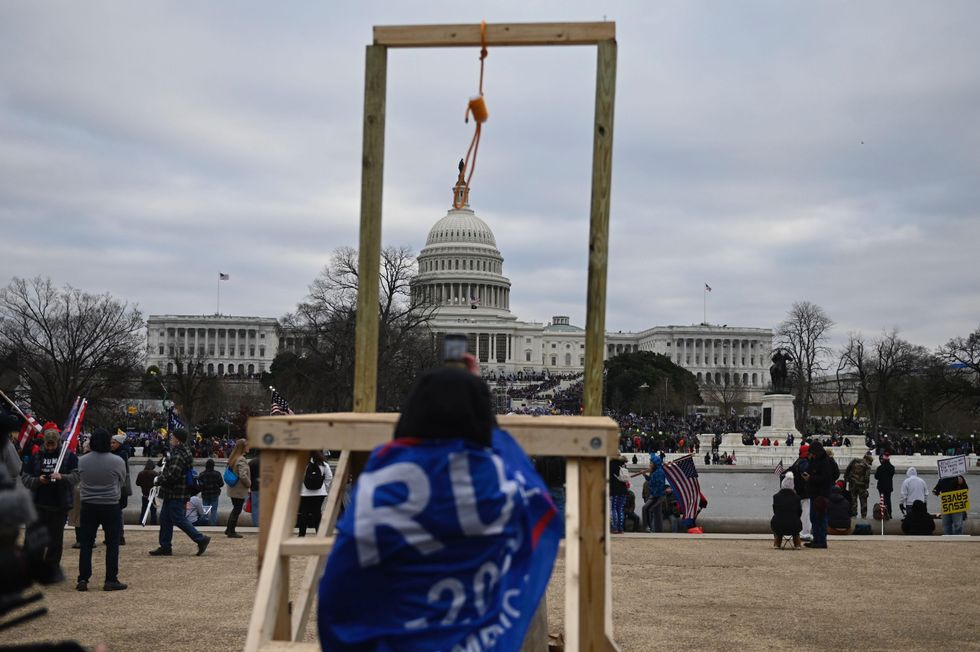
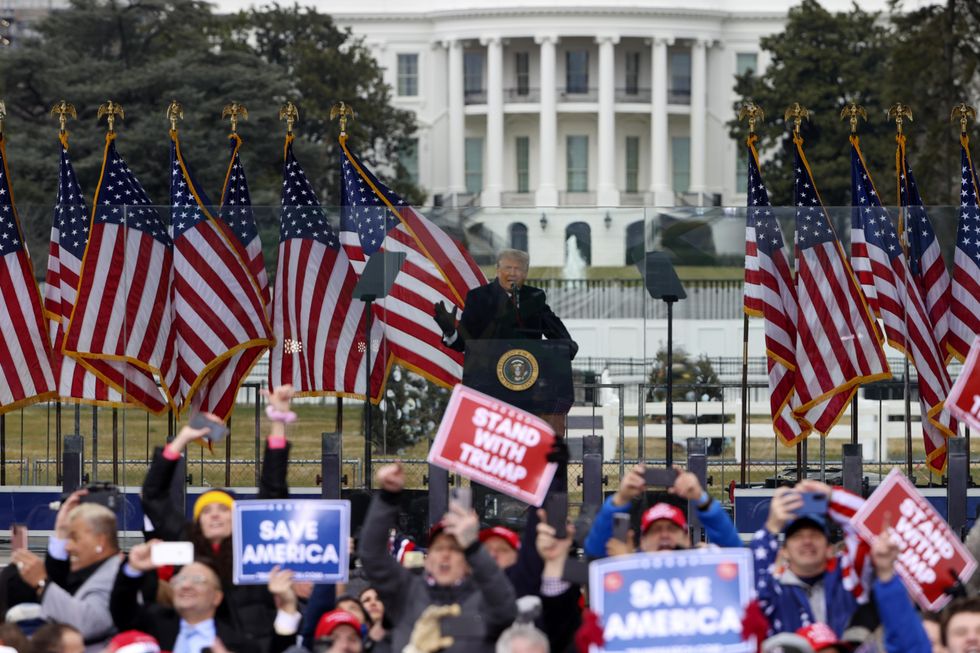
That summary hardly does justice to the shocking, heart-stopping images of the vandalism and violence fueling what amounted to an attempted coup — sedition incited by the most powerful person in the nation, the one most responsible for preserving and protecting the Constitution. Four years after an inaugural address in which he vowed that "American carnage stops right here," the very spot where President Trump stood was overwhelmed Wednesday with rioters wreaking carnage in his name.

There is no shortage of dogged reporting and smart analysis available elsewhere; the news is moving fast and our team is small. And pictures tell the story in ways words cannot convey. For those paying attention to Trump's steadily intensifying assault on the norms of our republic, his encouragement of the climatic occupation of the Capitol is little surprise. But for those worried about the lasting depth of our democracy's challenges, the memories captured in these photographs must never be forgotten.
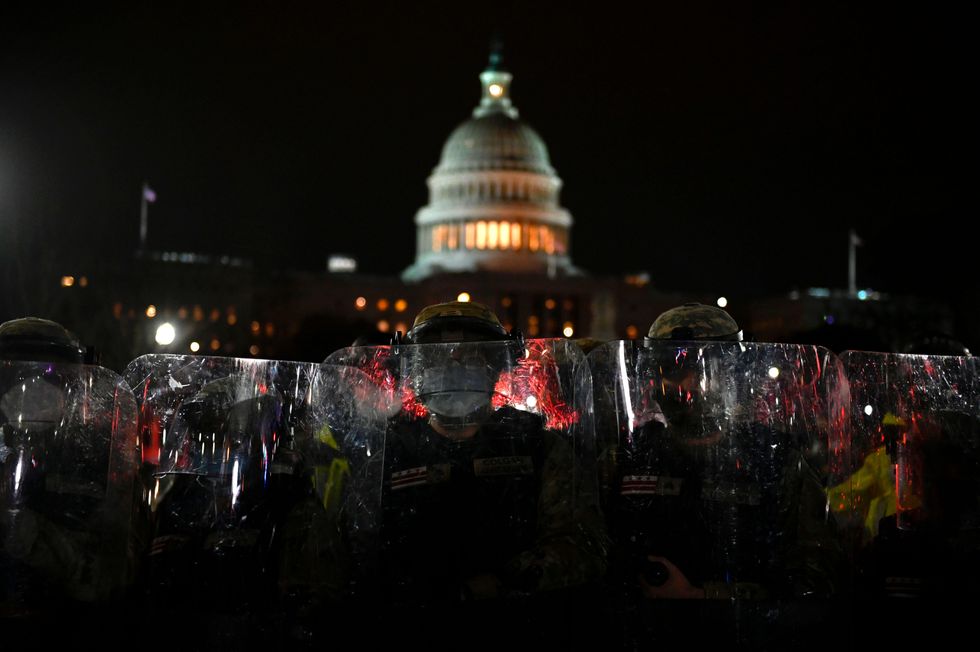
National Guard troops protect the Capitol after it has been cleared and a curfew imposed on Washington, D.C. (Andrew Caballero-Reynolds/Getty Images)


Read More

child reading a book
silhouette of child sitting behind tree during sunset
Photo by Aaron Burden on Unsplash

The Future Of Puerto Rico: Consider Needs of The Children

When I entered my second-grade classroom in 1982 at Chicago’s Moos Elementary School, in the heart of the Puerto Rican community of Humboldt Park, I was greeted with “Mirelsie, que nombre bello, de donde tu eres?”

“Mirelsie, what a beautiful name, where are you from?”

Keep ReadingShow less
A solemn portrait of a woman looking down, bathed in dramatic light and shadow from window blinds, emphasizing solitude and deep thought in monochrome.

After the Lindsay Clancy mistrial, we must confront postpartum mental illness and ask how to better support mothers before tragedy strikes.

Viktoriya Skorikova/Getty Images

The Questions We Should Be Asking About the Lindsay Clancy Case

Three children are dead.

Nothing that follows should ever diminish that heartbreaking reality.

Keep ReadingShow less
Flag
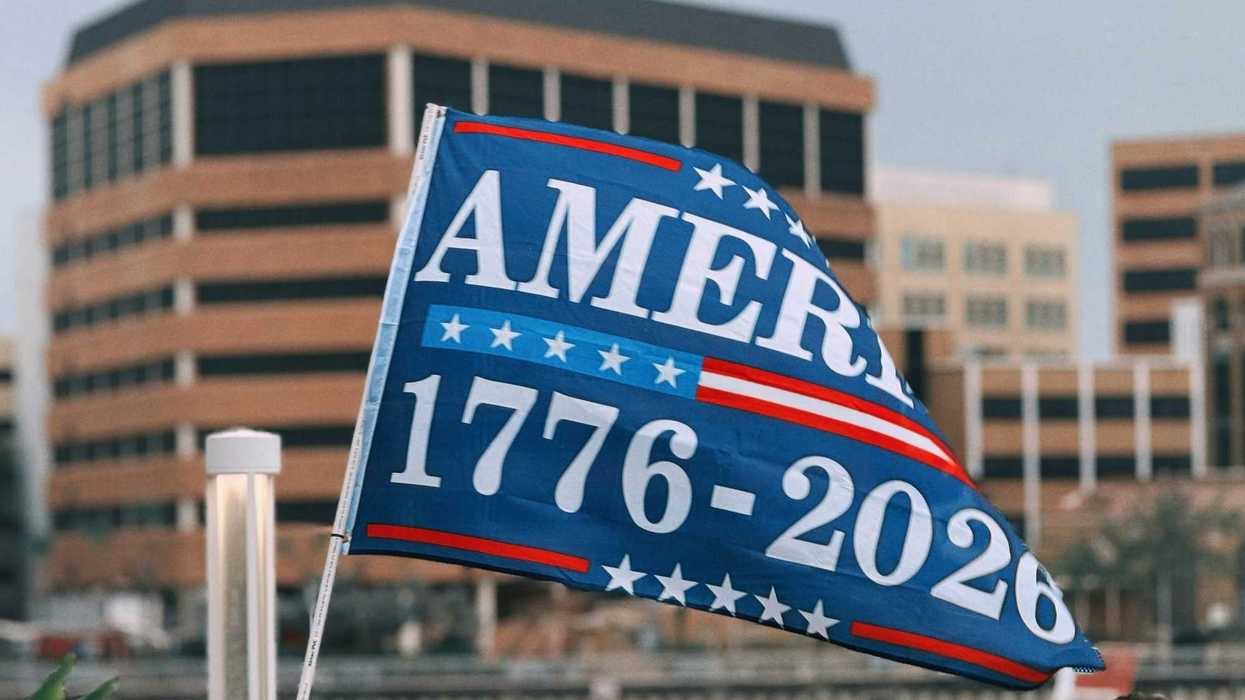
People holding an american flag with 1776-2026
Photo by TROY ALLEN on Unsplash

Americans Stay Committed to Democracy as Confidence Declines

The Democracy for All Project, a multiyear collaboration between Gallup and the Charles F. Kettering Foundation, continues its effort to understand how Americans experience democracy and how those experiences differ across communities, generations, and political identities. Its September 2026 report, Frustration Rises, Commitment Endures, draws on a survey of 23,683 U.S. adults conducted between April 24 and June 10, 2026, with a maximum margin of sampling error of ±1 percentage point at the 95% confidence level. It is the most extensive annual study of how Americans participate in and perceive the democratic system.

A Public Still Committed to Democracy—But Increasingly Disillusioned

The report finds that Americans remain committed to democracy as an ideal even as their confidence in its performance continues to erode. Two‑thirds (66%) still say democracy is the best form of government, essentially unchanged from last year. Yet assessments of how democracy is functioning have worsened: 56% now say democracy is performing poorly, up from 51% in 2025, while the share who say it is performing well has fallen to 19%. Much of this shift comes from Republicans and Republican‑leaning independents, whose views have moved closer to the more critical assessments long held by Democrats and other independents.

Keep ReadingShow less
Classsroom
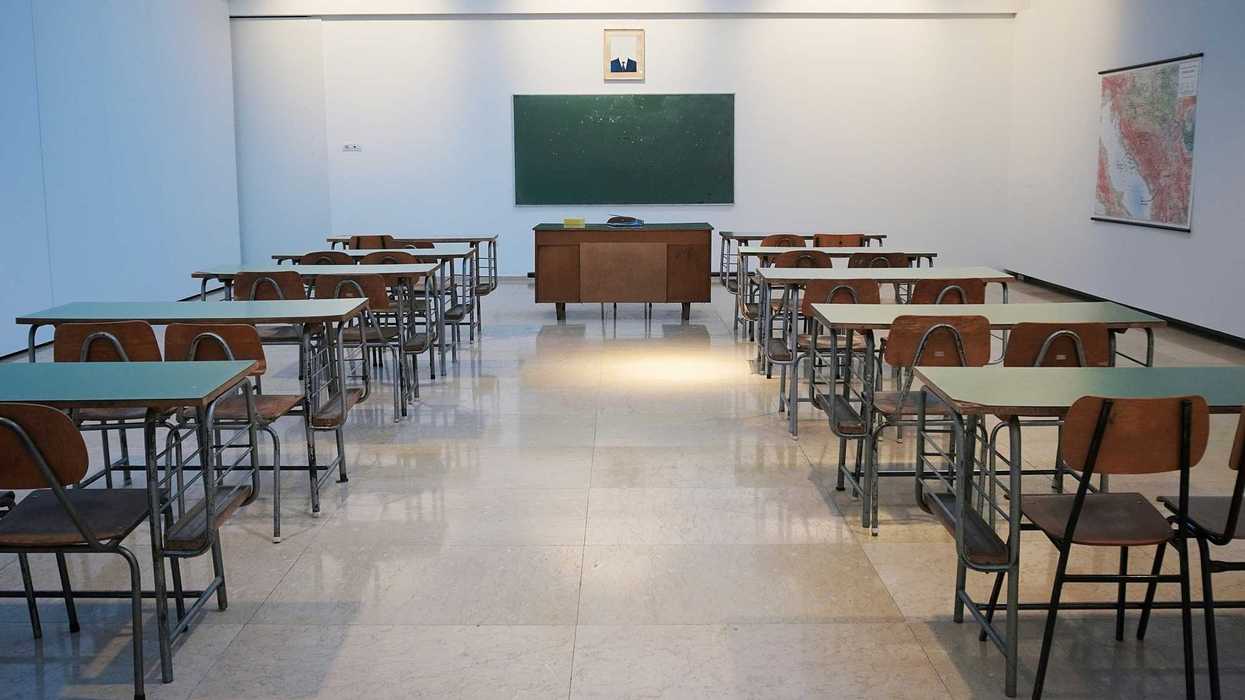
empty classroom with desks and chalkboard
Photo by Ivan Aleksic on Unsplash

Who Gets a Seat?: Florida’s New Bans on Undocumented Students in Public Higher Education

Each year, roughly 8,000 undocumented students graduate from Florida high schools. In 2026, Florida became the newest state to pass a regulation prohibiting this population from enrolling in state public colleges and selective universities. In June 2026, Florida State Board of Education passed Rule 6A-10.0240, which requires all 28 Florida College System institutions to certify admitted students as citizens of the United States or have lawful presence. In September 2026, a separate state board extended a similar ban to Florida’s most selective public universities.

Throughout the United States, there are three states that have historically upheld similar barring policies: Alabama and South Carolina ban undocumented students from all public colleges and universities, while Georgia bars them only from its most selective public universities. Florida’s restrictions are administrative rules and regulations, not state laws passed by the Legislature. Similar bills died in committee during Florida’s 2026 legislative session.

Keep ReadingShow less