

Skip to content
Search

Latest Stories

Follow Us:
Top Stories

Voter machine companies working with DHS to combat hackers
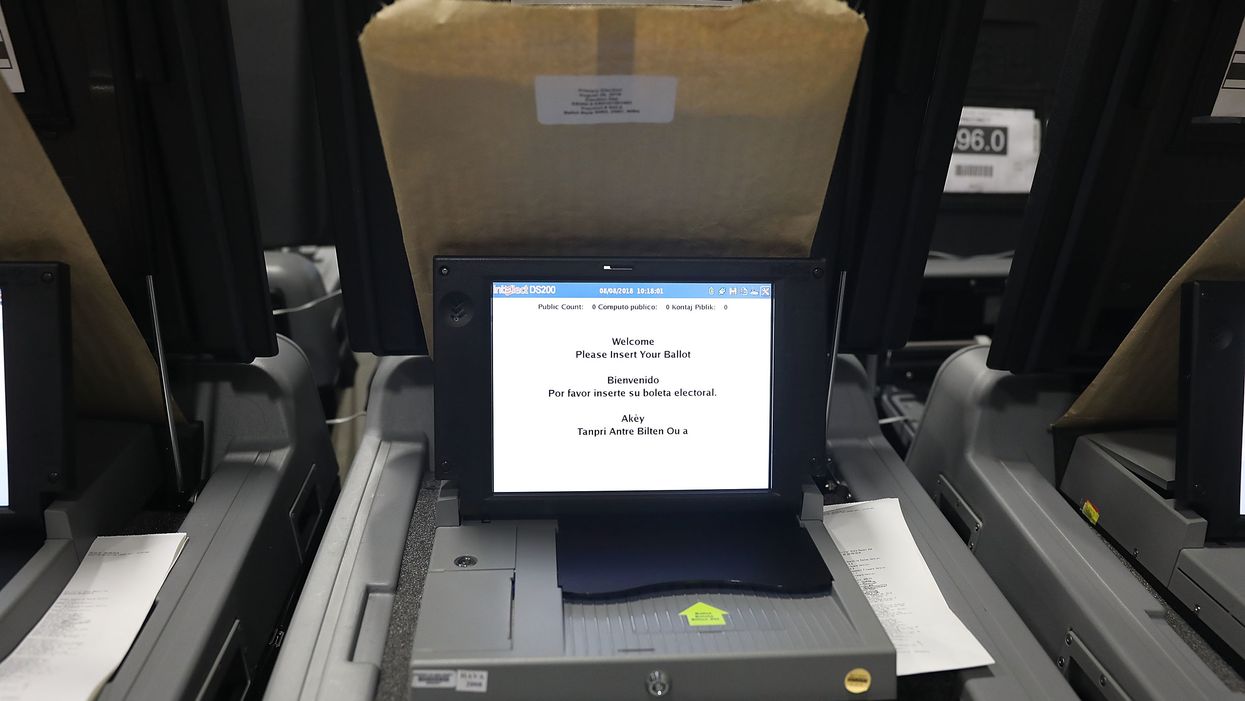
Voter machine companies working with DHS to combat hackers
Joe Raedle/Getty Images
Makers of voting machines and other election equipment have given the government under-the-covers access to their products, hoping federal experts can find the potential vulnerabilities before hackers can exploit them next year.

Jeanette Manfra, a top Homeland Security Department cybersecurity official, made the revelation at an Intelligence and National Security Summit in suburban Washington on Thursday. Afterward, she told Bloomberg that the manufacturers are cooperating voluntarily, representing a breakthrough for the government.

Read More

Stickers with the words "I Voted Today."

Virginia is on its way to be the 19th jurisdiction to adopt the National Popular Vote Interstate Compact, bringing the U.S. closer to electing presidents by the national popular vote.

Getty Images, EyeWolf

Virginia On The Path to Join the National Popular Vote Interstate Compact

NPVIC is an agreement among U.S. states and the District of Columbia to award all their electoral votes to the presidential ticket that wins the overall popular vote in all 50 states and the District of Columbia. It is considered a pragmatic, voluntary state-based initiative because it aims to ensure the winner of the national popular vote wins the presidency without requiring a constitutional amendment, operating instead within the existing Electoral College framework by utilizing states' constitutional authority to appoint electors. If enough states join the NPVIC to reach a total of 270 electoral votes, the United States will effectively shift from a winner-take-all (WTA) regime to a national popular vote system for electing the President.

With Virginia's adoption, the National Popular Vote Interstate Compact will be adopted by eighteen states and the District of Columbia, collectively holding 222 electoral votes. The compact requires 270 electoral votes (a majority of the 538 total) to take effect. It currently needs forty-eight more electoral votes to become active.

Keep ReadingShow less
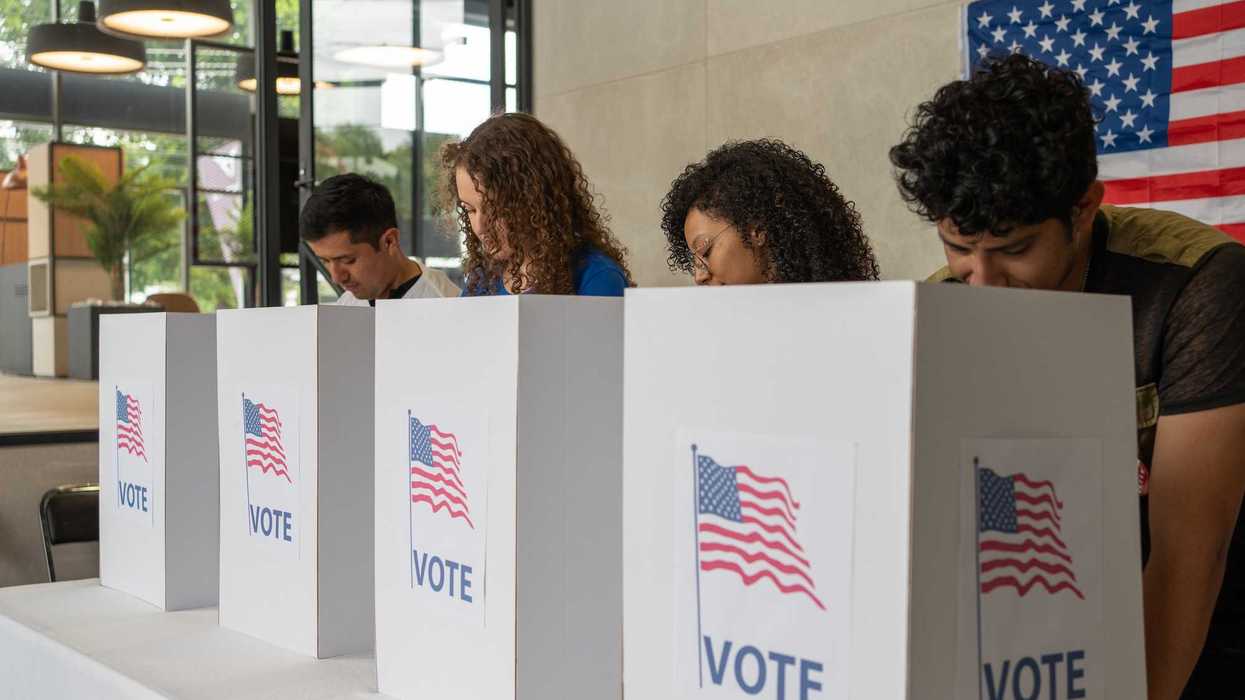
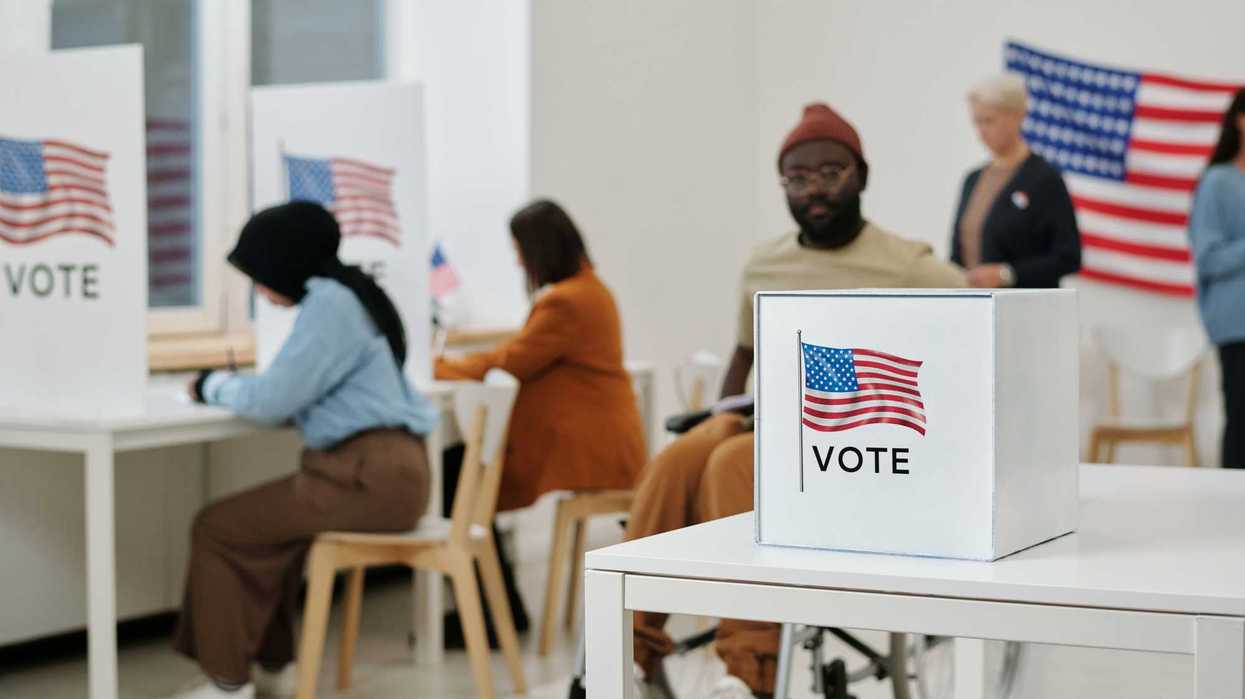
With the focus on the voting posters, the people in the background of the photo sign up to vote.

Should the U.S. nationalize elections? A constitutional analysis of federalism, the Elections Clause, and the risks of centralized control over voting systems.

Getty Images, SDI Productions

Why Nationalizing Elections Threatens America’s Federalist Design

The Federalism Question: Why Nationalizing Elections Deserves Skepticism

The renewed push to nationalize American elections, presented as a necessary reform to ensure uniformity and fairness, deserves the same skepticism our founders directed toward concentrated federal power. The proposal, though well-intentioned, misunderstands both the constitutional architecture of our republic and the practical wisdom in decentralized governance.

The Constitutional Framework Matters

The Constitution grants states explicit authority over the "Times, Places and Manner" of holding elections, with Congress retaining only the power to "make or alter such Regulations." This was not an oversight by the framers; it was intentional design. The Tenth Amendment reinforces this principle: powers not delegated to the federal government remain with the states and the people. Advocates for nationalization often cite the Elections Clause as justification, but constitutional permission is not constitutional wisdom.

Keep ReadingShow less
Postal Service Changes Mean Texas Voters Shouldn’t Wait To Mail Voter Registrations and Ballots

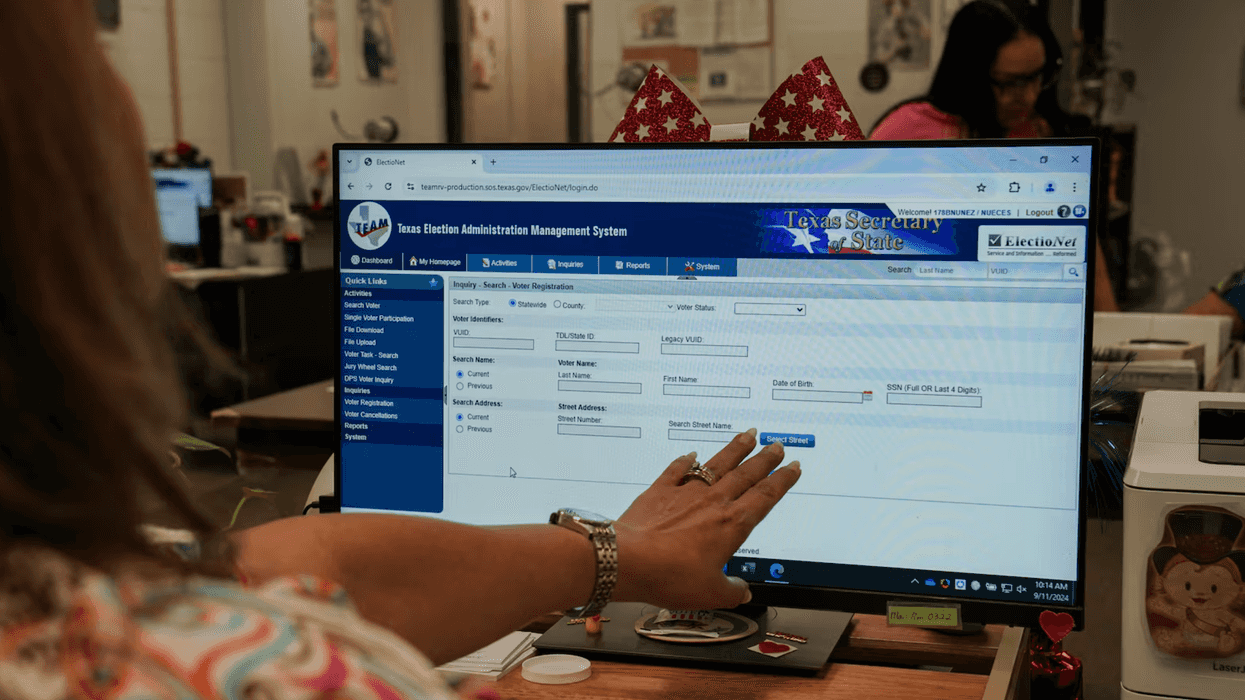
A voter registration drive in Corpus Christi, Texas, on Oct. 5, 2024. The deadline to register to vote for Texas' March 3 primary election is Feb. 2, 2026. Changes to USPS policies may affect whether a voter registration application is processed on time if it's not postmarked by the deadline.

Gabriel Cárdenas for Votebeat

Postal Service Changes Mean Texas Voters Shouldn’t Wait To Mail Voter Registrations and Ballots

Texans seeking to register to vote or cast a ballot by mail may not want to wait until the last minute, thanks to new guidance from the U.S. Postal Service.

The USPS last month advised that it may not postmark a piece of mail on the same day that it takes possession of it. Postmarks are applied once mail reaches a processing facility, it said, which may not be the same day it’s dropped in a mailbox, for example.

Keep ReadingShow less
Post office trucks parked in a lot.

Changes to USPS postmarking, ranked choice voting fights, costly runoffs, and gerrymandering reveal growing cracks in U.S. election systems.

Photo by Sam LaRussa on Unsplash.

2026 Will See an Increase in Rejected Mail-In Ballots - Here's Why

While the media has kept people’s focus on the Epstein files, Venezuela, or a potential invasion of Greenland, the United States Postal Service adopted a new rule that will have a broad impact on Americans – especially in an election year in which millions of people will vote by mail.

The rule went into effect on Christmas Eve and has largely flown under the radar, with the exception of some local coverage, a report from PBS News, and Independent Voter News. It states that items mailed through USPS will no longer be postmarked on the day it is received.

Keep ReadingShow less